Ranking Member Shaheen and Senate Democratic Members Publish New Report on U.S. Commitment to Afghan Allies, Call for Immediate Resumption of Afghan SIV Program
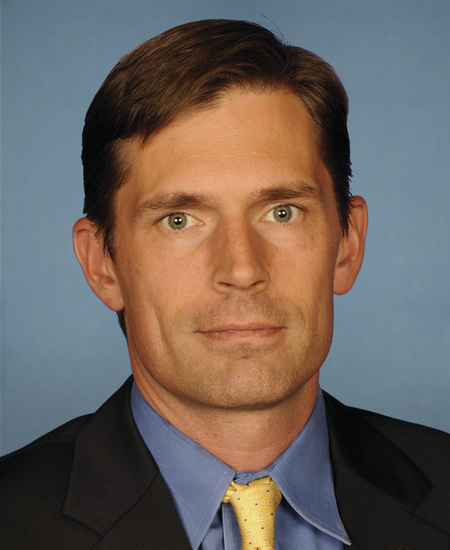
WASHINGTON – U.S. Senator Jeanne Shaheen (D-NH), Ranking Member of the Senate Foreign Relations Committee, along with U.S. Senators Chris Coons (D-DE), Amy Klobuchar (D-MN), Tim Kaine (D-VA), Jeff Merkley (D-OR), Cory Booker (D-NJ), Brian Schatz (D-HI), Chris Van Hollen (D-MD), Tammy Duckworth (D-IL) and Jacky Rosen (D-NV), published a comprehensive new report this week detailing the history and importance of the Afghan Special Immigrant Visa (SIV) program, the sacrifices made by Afghans who served alongside U.S. troops and diplomats and the consequences of the Trump Administration’s actions to dismantle protections for our allies. Commissioned by U.S. Senator Jeanne Shaheen (D-NH), Ranking Member of the Senate Foreign Relations Committee , the report underscores America’s longstanding commitment to the Afghans who risked their lives and the lives of their families in service to the U.S. mission in Afghanistan. Since 2014, more than 160,000 Afghan SIV recipients and their family members have safely resettled in the United States. The report finds that the SIV program has not only provided a lifeline to Afghans targeted by the Taliban for their service to the United States but has also supported U.S. national security by demonstrating to current and future partners that America keeps its promises. The 69-page report, titled “Standing Strong with Our Afghan Allies: The Imperative of Continuing the Afghan Special Immigrant Visa Program to Uphold Our Commitment to Afghan Allies,” traces the bipartisan history of the Afghan SIV program, highlights the stories of Afghan allies and the American service members who depended on them and details the extensive security screening and vetting that applicants undergo. It also documents the systematic effort by the second Trump Administration to dismantle the SIV program and other protections for Afghans, including suspending refugee admissions, ending relocation assistance, dismantling the State Department office responsible for coordinating Afghan relocation efforts and terminating Temporary Protected Status for Afghans. “For nearly two decades, the Afghan Special Immigrant Visa program has reflected a bipartisan commitment to stand by the Afghans who stood with us in our hour of need,” said Ranking Member Shaheen . “These allies were essential to our mission in Afghanistan, and the Taliban targeted them precisely because of their service to the United States. For years, Republicans and Democrats understood that keeping our word to these allies was a bipartisan matter of American credibility and national security. But the Trump Administration has chosen to politicize a program that has enjoyed strong bipartisan support since its inception. Turning our backs on people who risked their lives alongside American service members does not make America safer, stronger or more prosperous. In fact, it sends exactly the wrong message to anyone we may ask to stand with us in the future. This report provides an objective accounting of the Afghan SIV program—its successes, its shortcomings and the lessons we must carry forward. From Vietnam to Iraq to Afghanistan, the United States has relied on local partners to advance our national security, and we will undoubtedly need to do so again. Our allies and adversaries alike are watching to see whether America keeps its word.” The report details the bipartisan origins of the Afghan SIV program, including the passage of the Afghan Allies Protection Act in 2009, led by Senators Shaheen and John McCain, which established a pathway to permanent resident status for qualifying Afghans who served the United States and faced serious threats because of that service. Since 2014, Congress has repeatedly authorized additional visas to continue the program but failed to do so in 2025. Key findings and takeaways from the report include: Afghan allies were essential to the U.S. mission and put themselves and their families at extraordinary risk. Afghan interpreters, translators, engineers, security contractors, intelligence partners, administrative staff and drivers worked alongside U.S. troops and diplomats throughout two decades of war. Many joined American troops in combat, provided intelligence and helped U.S. personnel navigate local communities. Their work made them targets for Taliban threats, kidnappings and killings. The Afghan SIV program has successfully brought more than 160,000 Afghan allies and their families to safety. Since 2014, more than 160,000 Afghan SIV holders and their eligible family members have resettled in the United States, where many have built businesses, served in the U.S. military and become integral members of their communities. Afghan SIV applicants undergo extensive, multilayered security vetting. Applicants are screened throughout the visa process, including identity verification, employment verification, security checks and Intelligence Community vetting. Many were also vetted before they ever began working alongside the U.S. government. In a review of sampled applications from 2021, the State Department Inspector General found that the SIV application review process was functioning as designed. The Trump Administration has suspended Afghan SIV issuance while more than 155,000 applicants remain in the pipeline. The report finds that although some administrative processing continues, the State Department has suspended immigrant visa issuance to Afghan nationals, including Afghan SIVs. As of the Department’s May 2026 report to Congress, no Afghan SIVs had been issued in 2026. The Administration dismantled infrastructure built to relocate and resettle Afghan allies. The Administration eliminated the State Department’s Coordinator for Afghan Relocation Efforts (CARE) office, which had served as the central coordinating body for third-country processing, flight coordination, family reunification and case escalation. Congressional briefings from CARE also stopped after the Administration took office. Afghan allies remain stranded in dangerous and uncertain conditions abroad. The report details the circumstances facing Afghans in Afghanistan, Pakistan, Iran and at Camp As-Sayliyah in Qatar. Today, there are approximately 1,100 Afghans remaining at Camp As-Sayliyah. The vast majority have legal pathways to the United States, but the Administration is trying to relocate them to third countries instead. Abandoning Afghan allies risks long-term consequences for U.S. national security. The report warns that future partners will judge the credibility of U.S. commitments by how the United States treats Afghans who risked their lives in support of the American mission. Failure to keep those commitments could make future local partners less willing to support U.S. diplomatic, military and intelligence operations. The report concludes with key recommendations: Immediately Resume Afghan SIV Issuance and Fully Resource Processing: The Administration should immediately resume issuing Afghan SIVs and provide the National Visa Center and Afghan SIV Unit with sufficient staffing and resources to address the backlog. Authorize Additional Visas and Extend the Application Deadline: Congress should authorize 100,000 additional visas to ensure that remaining eligible applicants can receive an SIV and allow for the responsible wind-down of the existing Afghan program once the current pipeline has been processed. Establish a Permanent Wartime Allies Program: Congress and the Administration should apply lessons learned from the Afghan SIV program to create a permanent mechanism to protect local partners who put themselves at risk supporting future U.S. missions. The program should provide flexibility to account for different conflicts and partner forces, streamline processing, clearly delineate responsibilities across federal agencies, strengthen record retention and provide sufficient resources for long-term administration. Increase Transparency and Congressional Oversight: A permanent wartime allies program should include recurring reports to Congress, public reporting on applicant numbers and processing trends and regular Inspector General review to ensure the program is meeting congressional requirements and functioning effectively. The full report is available HERE . ###
a4331182-0ad4-4721-8a5e-e2e7b904d04cIssued within 24 hours
Other senators' releases published in the day before or after this one.