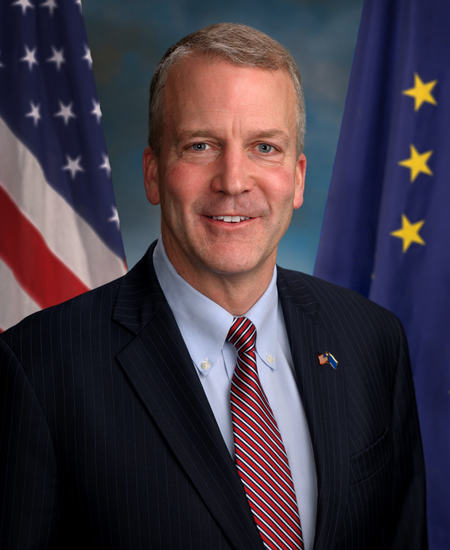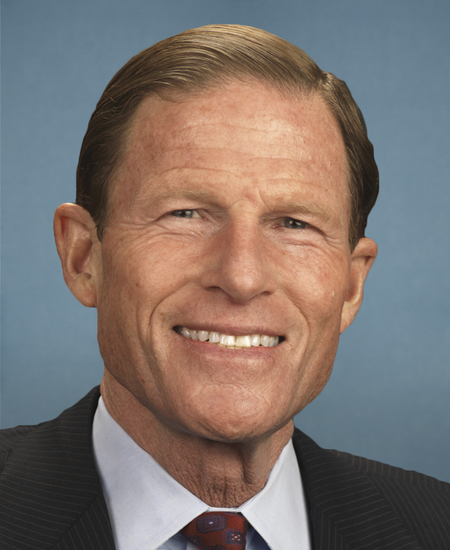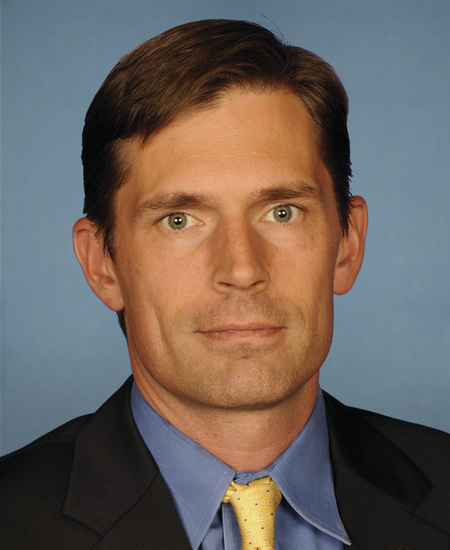
July 10th, 2026Heinrich, Cassidy, King Press DOJ on Status of Bipartisan HALT Fentanyl Act After Agency Misses Key Implementation Deadline
WASHINGTON — U.S. Senators Martin Heinrich (D-N.M.), Bill Cassidy (R-La.), and Angus King (I-Maine) sent a letter pressing Acting Attorney General Todd Blanche on the U.S. Department of Justice’s (DOJ) failure to meet a deadline to implement key research provisions of the bipartisan Halt All Lethal Trafficking of (HALT) Fentanyl Act . The legislation led by Heinrich and Cassidy and cosponsored by King, permanently classifies fentanyl-related substances (FRS) as Schedule I drugs and streamlines the registration process for scientists conducting controlled substance research. The HALT Fentanyl Act became law on July 16, 2025. Scientists studying Schedule I substances often face lengthy bureaucratic hurdles that slow scientific breakthroughs and delay the development of new treatments — including promising therapies to support mental health and physical well-being. The HALT Fentanyl Act is designed to reduce those delays by allowing eligible researchers to notify the Drug Enforcement Administration (DEA) when they begin research, rather than waiting for the agency to individually review and approve each project before research can start. The law required the Attorney General to establish that new notification process within six months, but that deadline passed on January 16, 2026. “We recognize the importance of maintaining appropriate controls over Schedule I substances while supporting and accelerating research that may lead to new scientific discoveries and the development of new therapeutics,” the senators wrote to Acting Attorney General Blanche. “As psychedelics are currently classified under Schedule I, timely implementation of the HALT Fentanyl Act is essential to accomplishing these objectives.” The senators concluded their letter by asking Acting Attorney General Blanche when DOJ will comply with the law and establish the new research process Congress required, including by answering the following questions: By what date will the Department of Justice (DOJ) and the DEA establish and publish an updated process for Schedule I research registrations? Has DEA established an electronic portal for submitting research activity notifications? If so, when was it implemented? What steps is DEA taking to eliminate duplicative requirements, including repeated site inspections and multiple registrations within the same institution or locality? If these steps have not been implemented, what is DEA’s timeline for meeting the requirements of P.L. 119-26? What actions is DOJ taking to ensure consistent implementation of the Act across all DEA field offices? Has DEA issued guidance or conducted training on the Act’s requirements? If so, please describe. For more information on the HALT Fentanyl Act, click here . The full text of the letter is here and below: Dear Acting Attorney General Todd Blanche, We write to inquire about the status of the Department of Justice’s implementation of the “HALT Fentanyl Act.” President Trump signed this law on July 16, 2025, and it includes significant changes to federal requirements for controlled-substance research. The law sets a six-month deadline for rulemaking by the Attorney General, and this deadline passed on January 16, 2026. The expiration of this deadline and the continued absence of rulemaking or guidance from the Drug Enforcement Administration (DEA) threaten to hinder research for breakthrough psychiatric treatments. As cosponsors of S. 331, the “HALT Fentanyl Act,” we recognize the importance of maintaining appropriate controls over Schedule I substances while supporting and accelerating research that may lead to new scientific discoveries and the development of new therapeutics. Multiple Schedule I drugs have shown significant promise in clinical trials, and several have been granted Breakthrough Therapy designation by the Food and Drug Administration (FDA). President Trump’s recent Executive Order, entitled “Accelerating Medical Treatments for Serious Mental Illness,” articulates the imperative to hasten research efforts, stating, “It is the policy of my Administration to accelerate innovative research models and appropriate drug approvals to increase access to psychedelic drugs that could save lives and reverse the crisis of serious mental illness in America.” As psychedelics are currently classified under Schedule I, timely implementation of the HALT Fentanyl Act is essential to accomplishing these objectives. Following the President’s Executive Order and in response to the urgent, widespread need for new and effective psychiatric treatments, we respectfully request responses to the following questions: By what date will the Department of Justice (DOJ) and the DEA establish and publish an updated process for Schedule I research registrations? Has DEA established an electronic portal for submitting research activity notifications? If so, when was it implemented? What steps is DEA taking to eliminate duplicative requirements, including repeated site inspections and multiple registrations within the same institution or locality? If these steps have not been implemented, what is DEA’s timeline for meeting the requirements of P.L. 119-26? What actions is DOJ taking to ensure consistent implementation of the Act across all DEA field offices? Has DEA issued guidance or conducted training on the Act’s requirements? If so, please describe. We request that you provide responses to these questions no later than July 31, 2026. We look forward to your reply and to the implementation of the HALT Fentanyl Act in accordance with the law. Sincerely, ###
aa480537-2f43-4e2b-a833-4eb189fb6759Issued within 24 hours
Other senators' releases published in the day before or after this one.