Booker, Whitehouse, Colleagues File Amicus Brief Urging Supreme Court to Reject Yet Another GOP Effort to Flood Politics with Corporate and Mega-Donor Cash
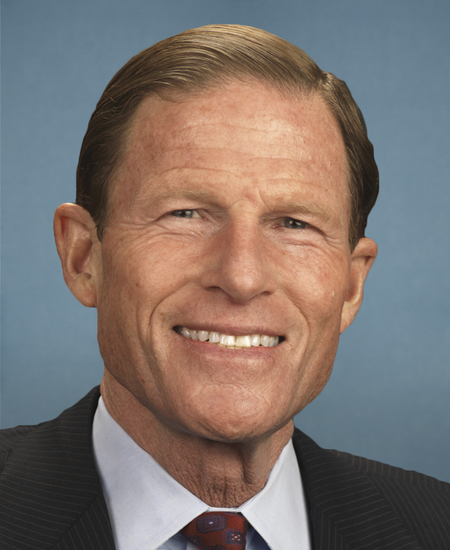
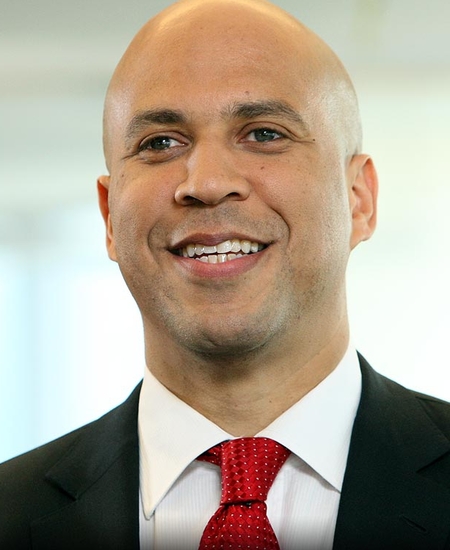
WASHINGTON, D.C –Today, U.S. Senators Cory Booker (D-NJ), Sheldon Whitehouse (D-RI), Chris Van Hollen (D-MD), Richard Blumenthal (D-CT), Adam Schiff (D-CA), and Mazie Hirono (D-HI) filed anamicus curiae— or “friend of the court” —briefinNational Republican Senatorial Committee (NRSC) v. Federal Election Commission (FEC), in which the National Republican Senatorial Committee is asking the Supreme Court to strike down federal limits on expenditures by political parties made in coordination with political candidates. Political parties can accept larger donations from donors than can political candidates, and striking down coordinated party expenditure limits would make it easier for political parties to pour unlimited money into elections across the country.
“We have already seen how this Court’s holding inCitizens Unitedopened the floodgates to billions in dark money, allowing novelties like super PACs to emerge. These consequences distorted our political process while exalting the wealthiest voices at the expense of ordinary voters. In the years since, rulings by this Court have continued to erode commonsense campaign finance laws meant to prevent corruption,”wrote the senators.
“This Court should heed the lessons learned in the aftermath ofCitizens Unitedand decline the request to further distort our political process by undermining Congress’s ability to regulate campaign finance. Rather than considering the reversal ofColorado II, the Court should reconsiderCitizens Unitedat the first possible opportunity,”continued the senators.
The Supreme Court’s landmark 2010 decision inCitizens United v. FECstruck down a key provision of the Bipartisan Campaign Reform Act, which has enabled giant corporations and ultra-wealthy individuals to engage in unlimited political spending. 501(c)(4) organizations have become fountains of political dark money, and dark-money front groups were created or co-opted to obscure the political maneuverings of industry influence. In the years sinceCitizens United, the Supreme Court has struck down other commonsense provisions like the aggregate limits on the amount an individual may contribute (McCutcheon v. FEC) and has invalidated the post-election loan repayment limit (FEC v. Ted Cruz for Senate).
This series of Court rulings has eroded fundamental campaign finance rules and thwarted Congressional efforts to limit corruption in American democracy. The senators’ brief highlights the explosion of political spending by the fossil fuel industry and the derailing of serious bipartisan efforts to combat climate change as a direct consequence of the Court’s campaign finance rulings.
“One obvious example of how vast contributions by well-heeled corporate and private entities have had malignant practical effect is in the corrupting efforts of the fossil fuel industry. Through the use of their vast resources, they have been able to drown out the public’s voice and thwart extremely popular attempts at reform,”wrote the senators.“SinceCitizens United, the number of serious bipartisan bills in the Senate on climate change, over a period of now more than fifteen years, is zero. The before-and-after of dark money’s power could not be more stark,” added the senators.
The senators also point out the false fact-finding inCitizens United. The Supreme Court disregarded Congress’s extensive factual findings supporting major campaign finance laws to declare—without any record evidence—that unlimited political expenditures would not lead to corruption, and relied on two factual predicates to do so, both of which have been since proven false.
“The appropriate remedy is not to further dismantle Congress’s anti-corruption protections, but to reconsiderCitizens United. It is that decision that unleashed brazen coordination between super PACs and candidates, belying the supposed ‘independence’ of the newly unlimited funding. Billions in dark money, where the true source of a political donation is obscured from the public, has been spent sinceCitizens United, belying the supposed ‘transparency’ of the unlimited spending,”wrote the senators.“Our present reality explodes the factual presuppositions underlying the Court’s central reasoning inCitizens United. This Court should take the first possible opportunity to revisit and correct those false facts.”
Counsel of record for the senators is Gerson Smoger & Associates, P.C.
To read a PDF of the amicus brief, clickhere.
b4a0fe84-032c-4a55-b742-e635a1cf5481Issued within 24 hours
Other senators' releases published in the day before or after this one.