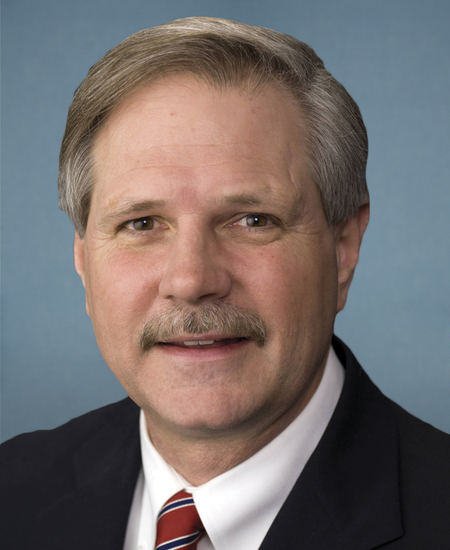
Hoeven Outlines Efforts to Secure MCOOL, Prairie Dog Management in Senate Farm Bill 2.0
DICKINSON, N.D. – Senator John Hoeven today held a roundtable with U.S. Forest Service (USFS) Chief Tom Schultz, North Dakota Agriculture Commissioner Doug Goehring, local ranchers and representatives from the state’s grazing associations. Hoeven invited Schultz to the state so he could hear firsthand from grazers regarding issues on the national grasslands. The meeting comes as part of Hoeven’s efforts as chairman of the Senate Agriculture Appropriations Committee and a senior member of Senate Agriculture Committee to: Secure critical priorities for U.S. livestock producers in the Senate’s Farm Bill 2.0. This includes Hoeven-authored provisions to: Establish mandatory country-of-origin labeling (MCOOL) for beef sold in the U.S. The measure is based on Hoeven-sponsored legislation and would: Require the U.S. Trade Representative (USTR), in consultation with the U.S. Department of Agriculture, to develop a World Trade Organization-compliant means of reinstating MCOOL for beef within one year of enactment. Gives USTR six months to develop a reinstatement plan followed by a six-month window to implement it. Automatically reinstate MCOOL for beef only within one year of the bill’s enactment, should the USTR fail to reinstate the policy. Prevent prairie dog colonies from expanding beyond reasonable levels. The provision amends prairie dog management plans for the Dakota Prairie Grasslands to limit prairie dog habitat to no more than 1.5 percent of any single grazing allotment and establish a 1-mile buffer along adjacent state and private lands. Reauthorize the Joint Chiefs Program, which has provided more than $3.2 million for partnerships with private landowners to help improve and restore grasslands in North Dakota. Improve access to the national grasslands. To this end, Hoeven joined Schultz in announcing a plan today to revise the Travel Management Plan (TMP) for the Little Missouri Grasslands, a proposal that would make section line rights-of-way available so ranchers can access their cattle in the grasslands. Hoeven has repeatedly raised this priority to administration officials, including Schultz, and has been working to move a revised TMP forward. The senator also previously secured a commitment from Schultz to work with Commissioner Goehring and local grazing associations as the new rule is developed. The new TMP comes in addition to Hoeven’s support for efforts to roll back the 2001 Roadless Rule. The USFS released a proposal this week to rescind the rule, providing greater access for ranchers and energy producers to land managed by the Forest Service. Fund noxious weed control on USFS lands. Hoeven thanked the Forest Service, including Chief Schultz and USFS Deputy Chief Chris French, for working with him to advance a $4.5 million, three-year grant for local grazing groups for weed spraying. The senator stressed that he will continue working to provide future funding to support these efforts. “Access to federal lands is vitally important for local economies, especially in North Dakota, where the Forest service manages more than one million acres. That’s why we’ve been working to advance a new Travel Management Plan for the Little Missouri Grasslands to ensure section lines are open to our grazers. I appreciate Chief Schultz for working with us on this priority, as well as for again agreeing to visit our state and hear from our ranchers firsthand about issues on the grasslands,” said Hoeven. “Today’s meeting was also an opportunity to get input from our ranchers on important priorities we’ve included in the Farm Bill, including better prairie dog management and MCOOL, which we’ve been working to advance for years. MCOOL benefits not only U.S. livestock producers, who can better market their high-quality products, but also U.S. consumers, who will be better informed about the beef they purchase. At the same time, left unchecked, prairie dogs can devastate landscapes and create a real hazard for cattle. The legislation I included in the Farm Bill will prevent the spread of prairie dog habitats, while creating a larger setback on federal acres to protect private lands from prairie dog colonies.” -###-
b5f1a4a6-758b-4093-8930-cbd075bde929Issued within 24 hours
Other senators' releases published in the day before or after this one.