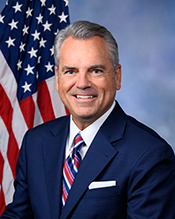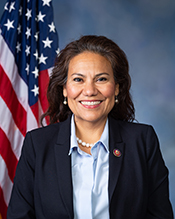
Casten, Salazar Introduce Bill to Protect Seniors from Crypto ATM Scams
June 11, 2026 Casten, Salazar Introduce Bill to Protect Seniors from Crypto ATM Scams Washington, D.C. — U.S. Representatives Sean Casten (D-IL-06) and María Elvira Salazar (R-FL-27) introduced the Stop Crypto ATM Scams Act, bipartisan legislation to provide strong protections for potential fraud victims, require that crypto ATM companies comply with robust anti-money laundering and anti-fraud measures, and help ensure that sophisticated scammers targeting seniors and other vulnerable Americans are held accountable. “My constituents have lost devastating sums of money to crypto-enabled fraud. Local banks and credit unions in my community are doing everything within their limited authority to stop these scams before they happen,” said Rep. Sean Casten . “Crypto ATMs offer criminals a quick and easy way to prey on seniors and steal their hard-earned money. Congress can address these abuses by requiring enhanced consumer protections, mandating clear scam warnings and robust disclosures, and applying the same anti-money laundering rules and fraud prevention measures that other crypto firms, banks, and credit unions must comply with. This bill builds on strong action taken at the state level, including in Illinois, to crack down on crypto ATM scams.” “In South Florida, I have seen firsthand the devastating impact financial scams can have on seniors and their families. America’s seniors spent a lifetime working, saving, and planning for retirement. They should not have to worry about criminals using new technologies to steal what they worked so hard to build,” said Rep. Salazar. “The Stop Crypto ATM Scams Act will strengthen safeguards against fraud, give law enforcement the tools they need to fight back, and provide consumers with clearer warnings and stronger protections before they become victims. We have a responsibility to protect our seniors and hold those who prey on them accountable.” More than 30,000 crypto ATMs are operating nationwide, located in places like gas stations, convenience stores, and shopping malls. These machines can be used to convert dollars into digital assets and enable immediate, pseudo-anonymous, and irreversible transfers, making them an attractive tool for illicit actors seeking to defraud unsuspecting Americans. These scams may begin with a message from someone claiming to be from a legitimate source, such as a federal agency, law enforcement, or a well-known company, or scammers may establish contact via social media and build trust with the victim over time. Eventually, scammers will convince the victim that immediate action is needed to resolve a supposed issue, avoid financial penalties or legal troubles, or help with a “financial emergency” before directing victims to withdraw funds from their bank or credit union, deposit cash into a crypto ATM, and transfer digital assets to the criminal’s anonymous digital wallet. According to law enforcement, stolen money from these scams often ends up in foreign countries that are less likely to cooperate with U.S. investigations, making it more difficult for law enforcement to recover these funds. According to the FBI, Americans lost more than $333 million to crypto ATM scams in 2025, representing a 33% increase from 2024. The figures are likely understated and only represent losses reported to authorities. Many victims of fraud, including older victims, never report the fraud because they feel ashamed or pressured to keep silent. A 2024 FBI report found that among cases in which the victim’s age was known, individuals aged 60 and older accounted for 86% of all losses due to crypto ATM scams. Text of the legislation can be found here . A one-page summary of the legislation can be found here . A section-by-section summary can be found here . If you think you may be the victim of a scam, contact your local police department to file a report. If you think you may be the victim of an online or internet-enabled crime, report it to the Internet Crime Complaint Center (IC3), ic3.gov , as soon as possible. These reports are used for investigative and intelligence efforts and can help support the recovery of lost funds. The Stop Crypto ATM Scams Act Applies Anti-Money Laundering (AML) Requirements to Crypto ATM Operators: This bill requires that operators implement a written AML program, conduct strict customer due diligence, report fraudulent activity to U.S. regulators, and regularly update a list of all kiosk locations. In 2019, the Treasury Department issued guidance clarifying that crypto ATM operators must register and adhere to the same AML rules that apply to banks. However, there are high rates of non-compliance: According to a 2021 investigation, more than one-third of crypto ATM companies operating in New Jersey had failed to register at the federal level. Imposes Daily Transaction Limits for Customers: This bill imposes a $2,000 daily transaction limit for new customers, which applies over a 14-day period following their first transaction. In addition, over the 14-day period, new customers cannot deposit more than $10,000 in total. This bill also imposes a $7,500 daily limit for existing customers. There are countless stories of victims losing their entire life savings to crypto ATM scams. For example, one woman in Ohio met a new “friend” online and sent them funds to help take care of their “family”, losing more than $660,000, including funds from her Roth IRA. Requires Anti-Fraud Measures and Scam Warnings: This bill requires operators to provide scam warnings and red flags to look out for before a customer enters into a transaction, which will be informed by annual fraud alerts issued jointly by the Treasury Department, FBI, and FTC. Crypto ATM scams can take various forms: scammers may impersonate a government official or a representative from a victim’s bank or utility company, and convince them urgent payment is needed to avoid financial penalties or legal troubles; or scammers may contact a victim via social media or a dating app, build a connection and trust over time, before requesting money for an “emergency” or hyping up an “investment opportunity”, and directing a victim to send funds via a crypto ATM machine. Ensures Key Customer Protections and Tools for Law Enforcement: The bill requires that detailed disclosures are provided before a customer enters into a transaction, which shall be informed by guidance issued jointly by the Treasury Department, CFPB, and FTC. It also requires written or electronic transaction receipts with specific information that helps with law enforcement investigations. Crypto ATM operators will also be required to provide live customer service and a dedicated phone number for law enforcement inquiries. Addresses High Charges to Customers: This bill requires that operators clearly disclose charges collected from the customer, including by providing a reference to the current market price of the cryptocurrency as it is trading on a regulated exchange. It also requires that operators refund the charges collected on fraudulent transactions in a timely manner. Crypto ATM operators have been found to mark up the price of cryptocurrency. For example, one operator reportedly sold Bitcoin to a customer at a rate that was 24% higher than the price at which Bitcoin was actually trading. Balances State and Federal Regulation: The bill establishes a federal standard for future state and local limits on transaction volumes, while preserving states’ authority to impose any additional requirements necessary to protect consumers, including but not limited to requiring full refunds for defrauded customers, imposing limits on charges, or outright banning operations within their borders. ### Print Email Share Tweet
b6594477-f206-4bc5-885b-b3aad1ac2529Issued within 24 hours
Other senators' releases published in the day before or after this one.