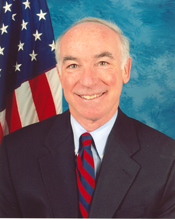
Op-Ed: Health care premiums continue to rise. Congress can lower them
October 9, 2026 Press Release By Rep. Joe Courtney (Published in the Day, October 9th, 2026) Last month, Connecticut’s state insurance department officially approved an 11.3% average rate increase in 2027 for state-regulated, individual and small business health care coverage plans. This double-digit increase, far above an already high general inflation rate, has justifiably been met with deep frustration from both individual patients and health care plan administrators, with small businesses in particular feeling the squeeze. It is clear from the persistent high trajectory of the state insurance department rate increases that the mounting cost of health care is creating a burden that will not be sustainable over the long term. It is time for policy makers to stop this trend by digging deeper into these decisions to identify which health services are spiking in cost. The 2026 rate decision could not be clearer. A leading driver of this year’s health care premium increase is prescription drug cost increases. According to the Connecticut Department of Insurance, 30% of a Connecticut health care premium dollar is consumed by prescription drug costs. This amount has doubled since 2010. That trend screams out for action, not just in Hartford, but also in Washington, where over the last four years, real reductions in drug costs have been achieved because of Medicare price negotiations. Along those lines, I am a co-sponsor of the Lowering Drug Costs for American Families Act (H.R. 6166), which would empower the Medicare program to negotiate with pharmaceutical companies for lower prescription drug costs, not just for Americans 65 and older, but for all Americans on employer-based plans and individual ACA marketplace plans (Access Health CT here in Connecticut). This bill builds on the price negotiation success of the Inflation Reduction Act of 2022, which by law has saved both patients and Medicare billions. As a result of price negotiations, the diabetes drug Januvia saw its price lowered from $527 to $113, blood thinners Eliquis and Xarelto went from $521 to $231 and $517 to $197, respectively, and the Asthma and COPD drug Trelegy went from $654 to $175, to name just a few. Expanding drug price regulation has strong public support. At least two-thirds of U.S. adults across all parties, including 68% of Republicans, say that there is not enough government regulation when it comes to the price of prescription drugs, according to 2026 polling by KFF. Even President Trump and Congressional Republicans clearly recognize the success and popularity of drug price negotiation. In 2025, when they cut nearly $1 trillion from the Medicaid program in their so-called “Big Beautiful Bill” (H.R. 1) and allowed Affordable Care Act marketplace (Access Health CT) premiums to skyrocket for middle-class Americans, Trump and the GOP very carefully left the Biden-era Medicare drug price negotiation in intact. What about Trump Rx, the three-year deal with big pharma, you might ask? A close look at the Trump Rx portal that claims to provide lower drug prices in most cases recycles drug coupons for discounted prices that already exist. In addition, Americans are only able to use Trump Rx to purchase drugs outside of their commercial health plans, meaning it does nothing to lower Connecticut premium rates. After three years, the Trump Rx deal expires, unlike the statutory permanence of the 2022 law that will expand the list of drugs subject to price reduction. It is very clear, to lower Connecticut health care premiums, Congress should pass the Lowering Drug Costs for American Families Act into law and create cost-saving parity for working age Americans on par with Medicare. It’s simple and it will work. Issues : Health Care
bc121a6f-eb05-48a1-85d1-2de698e3d5e2Issued within 24 hours
Other senators' releases published in the day before or after this one.