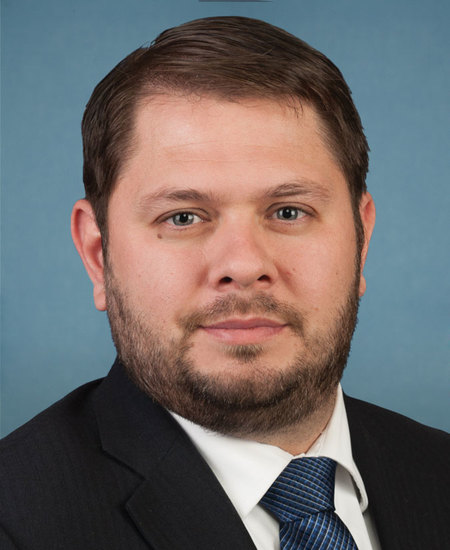
In New Pentagon Response to Gallego Letter, Pentagon Reveals Interference with Stars and Stripes Editorial Independence
Pentagon revealed shift in mission and focus of Stars and Stripes on same day it fired Stripes’ advocate for independence WASHINGTON – In a new response to a recent letter from Senators Ruben Gallego (D-AZ), Elizabeth Warren (D-MA), Richard Blumenthal (D-CT), Tammy Duckworth (D-IL), Mazie Hirono (D-HI), and Mark Kelly (D-AZ) , the Pentagon reveals interference that threatens the media independence of Stars and Stripes, the military’s editorially independent newspaper. The response was prepared the same day the Pentagon fired Stripes’ ombudsman, its advocate for independence. “I relied on Stars and Stripes when I was in Iraq for honest, credible reporting about our military instead of politicized garbage. While Trump continues to dig us into his war in Iran and all signs point to him starting more wars in Latin America, it is more important than ever that Stars and Stripes has the editorial independence to report on what is actually happening on the ground,” said Senator Gallego. “The Pentagon’s response fails to make that clear. They want to turn it into another megaphone for this administration’s propaganda.” In the new response, the Pentagon reiterated that “Stripes will remain editorially independent of the military chain of command, military public affairs activities, or other external influences, and without censorship or propaganda,” but multiple other points in the letter reveal the Pentagon interfering with the mission of the paper and shifting toward censorship and propaganda. Highlights include: The Pentagon explains Stripes’ mission as to “deliver content, specifically relevant to Service members and their families, that is not usually covered by commercial media.” The Pentagon also describes Stripes as a “publication that serves the U.S. military community [and] operates in support of good order and discipline of the military.” The Pentagon called First Amendment protections for the military newspaper “unnecessary.” In response to questions from the lawmakers about why it removed a Stripes regulation that called for the newspaper to “[keep] with the principles of the First Amendment to the U.S. Constitution,” the Pentagon called the rule “unnecessary principally,” stating that “there was no need for it to be in the Code of Federal Regulations.” The 1994 regulations that the Pentagon revoked in January were implemented after years-long oversight investigations from Congress and GAO uncovered systemic issues of censorship at Stripes. The regulations incorporated many of Congress’s and GAO’s recommendations and reforms, including the appointment of a civilian editor in chief and the insulation of editorial decision-making from DoD officials. The Pentagon dodged questions about whether it has withheld articles from publication at Stripes. In response to the lawmakers asking whether DoD has withheld any articles from publication, the Pentagon answered narrowly, writing: “The language concerning good order and discipline has not led to any Stripes articles being withheld from publication.” The response appears to reveal increased Pentagon influence in directing the future of Stripes . Following a Department of Defense memo from March calling for the creation of an advisory group for Stars and Stripes to be selected by its publisher, the Pentagon, in this new response, notes that the group has yet to be formed but has to receive the office of the Assistant to the Secretary of Defense for Public Affairs’ “concurrence.” The new information comes in response to an April letter from the lawmakers, denouncing the Department of Defense’s restrictions on Stars and Stripes. The letter pressed DoD on its decision to limit Stripes’ editorial independence, asked which of the paper’s past articles have violated DoD rules, and pushed for more information on the extent of the involvement of DoD political appointees in editorial decision-making at the paper. In March, DoD issued a memo giving DoD political appointees more authority over Stripes, placing new restrictions on its reporters and the paper’s independent ombudsman, and limiting civilian editors from publishing wire service stories unless “approved by” a DoD political appointee, even for sports and coverage of war zone areas. DoD’s memo imposed new rules on Stars and Stripes, including calling for the reprint of DoD official statements in the paper, restricting journalists’ ability to conduct investigative journalism, and limiting access to DoD sources. Stars and Stripes has a decades-long history of independent journalism. DoD formally codified many of Congress’s recommendations to protect the paper in 1994, including the appointment of a civilian editor in chief and the insulation of editorial decision-making from DoD officials Read the administration’s full letter HERE . In January, Senator Gallego demanded answers from Defense Secretary Pete Hegseth on efforts to politicize Stars and Stripes following reporting that job applicants were asked to explain how they would advance the Administration’s policy priorities in their reporting and comments from the Pentagon’s top public affairs official on the Department’s plans to overhaul the newspaper. In September 2020, Gallego joined a bipartisan letter urging the Department of Defense to reverse its decision to defund Stars and Stripes, and in 2021 he helped secure $15.5 million in funding to ensure its continued operations.
c9151454-338d-4190-842b-a4fb18fc0b12Issued within 24 hours
Other senators' releases published in the day before or after this one.