Hoeven Outlines Efforts to Expand Health Care Access in North Dakota, Support Providers & Patients
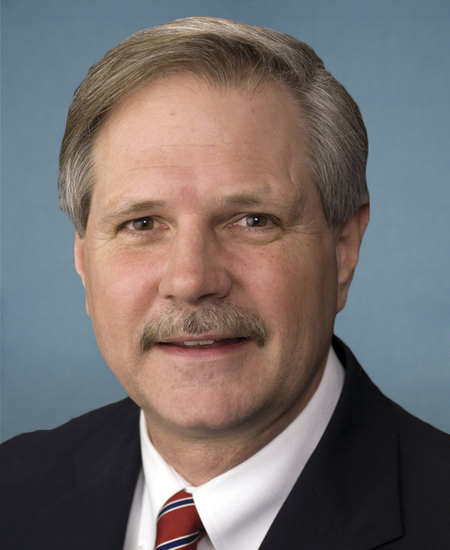
FARGO, N.D. – Senator John Hoeven today addressed the North Dakota Hospital Association’s annual convention, where he thanked attendees for the essential services they provide to patients across the state and outlined his continued efforts to support rural health care providers and their patients. To this end, Hoeven is advancing: Bicameral legislation he introduced with Representative Julie Fedorchak, along with Senator Kevin Cramer as a cosponsor, to extend the Frontier Community Health Integration Project (FCHIP) for five years . FCHIP develops and tests health care delivery and reimbursement models for Critical Access Hospitals (CAH) in hyper-rural counties to improve health outcomes for patients and save Medicare costs. Specifically, FCHIP provides a waiver to Medicare payment rules that Allows hospitals to increase the number of available Skilled Nursing Facility or Nursing Facility beds. Cover the costs required to facilitate and grow telehealth programs. Removes mileage restrictions on ambulance services at each participating Critical Access Hospital. Currently there are five CAHs participating in the program, including the following facilities in North Dakota: Jacobson Memorial Hospital Care Center in Elgin. McKenzie County Healthcare Systems in Watford City. Southwest Healthcare Services in Bowman. The Rural Health Transformation Program (RHTP) . The CONNECT for Health Act , bipartisan legislation he cosponsored to expand the availability of telehealth services. “Health care access is a fundamental pillar of our communities’ quality of life, and we appreciate the hard work of all our providers to ensure patients can receive the care they need regardless of their ZIP code. Through initiatives like the Rural Health Transformation Program, we’re working to expand the services available, including through telehealth, upgrade our medical facilities and equipment and recruit and retain the health care workforce we need,” said Hoeven. “We’re positioned to make these widespread improvements because of the work we’ve put into our health care sector to date, including establishing a statewide fiber optic network that supports telehealth access and building state-of-the-art critical access hospitals. As a result, our state is on track to receive $1 billion over five years to transform health care delivery for our rural communities.” Transforming Rural Health Care Hoeven worked to establish the RHTP through the passage of the Working Families Tax Cut Act and supported Governor Armstrong and his team in putting forward a strong application. The state was awarded $200 million for the program’s first year, which is twice the program’s baseline amount and puts North Dakota on track to receive up to $1 billion over the five years of the program. The senator stressed that this success comes as a result of the state: Investing in statewide fiber optic infrastructure. Building a network of new, state-of-the-art CAHs. Leveraging both telehealth and CAHs to recruit and retain health care professionals and provide access to a comprehensive continuum of care. North Dakota has rolled out nearly $60 million to improve health care delivery, including $40 million for clinical equipment upgrades, $10 million for health care workforce retention and $1.5 million for mobile mammography services. Expanding Telehealth Access Hoeven has been a cosponsor of the CONNECT for Health Act since 2021 and is working to advance the legislation to expand coverage of telehealth services through Medicare and make permanent telehealth flexibilities that were provided in recent years. The legislation would: Permanently remove all geographic restrictions on telehealth services and expand originating sites to include the home and other sites. Permanently allow health centers and rural health clinics to provide telehealth services. Allow more eligible health care professionals to utilize telehealth services. Remove unnecessary in-person visit requirements for telemental health services. Require more published data to learn more about how telehealth is being used, impacts of quality of care, and how it can be improved to support patients and health care providers. -###-
ccd533bf-2b64-4dd9-9286-de9f6e4c3771Issued within 24 hours
Other senators' releases published in the day before or after this one.