Barrett Helps Introduce Bipartisan Bill to Increase Transparency, Ban Data Centers NDAs
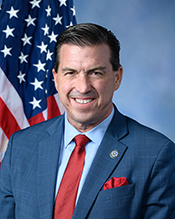
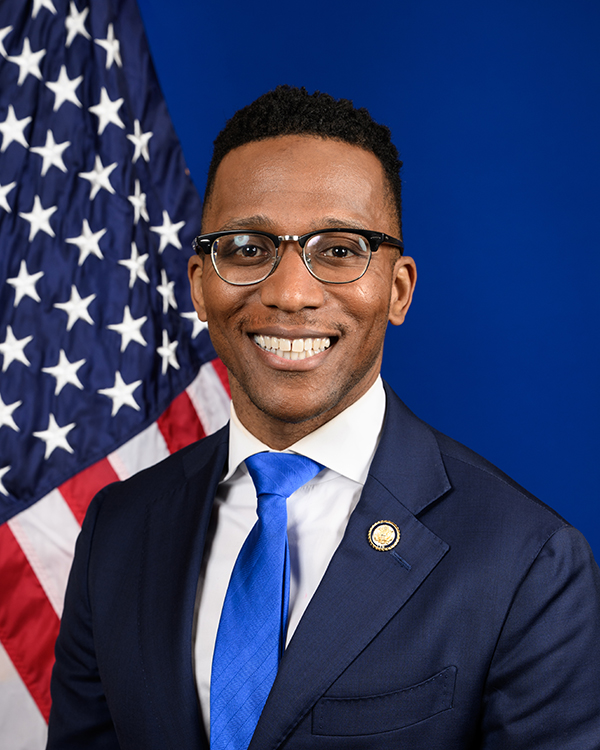
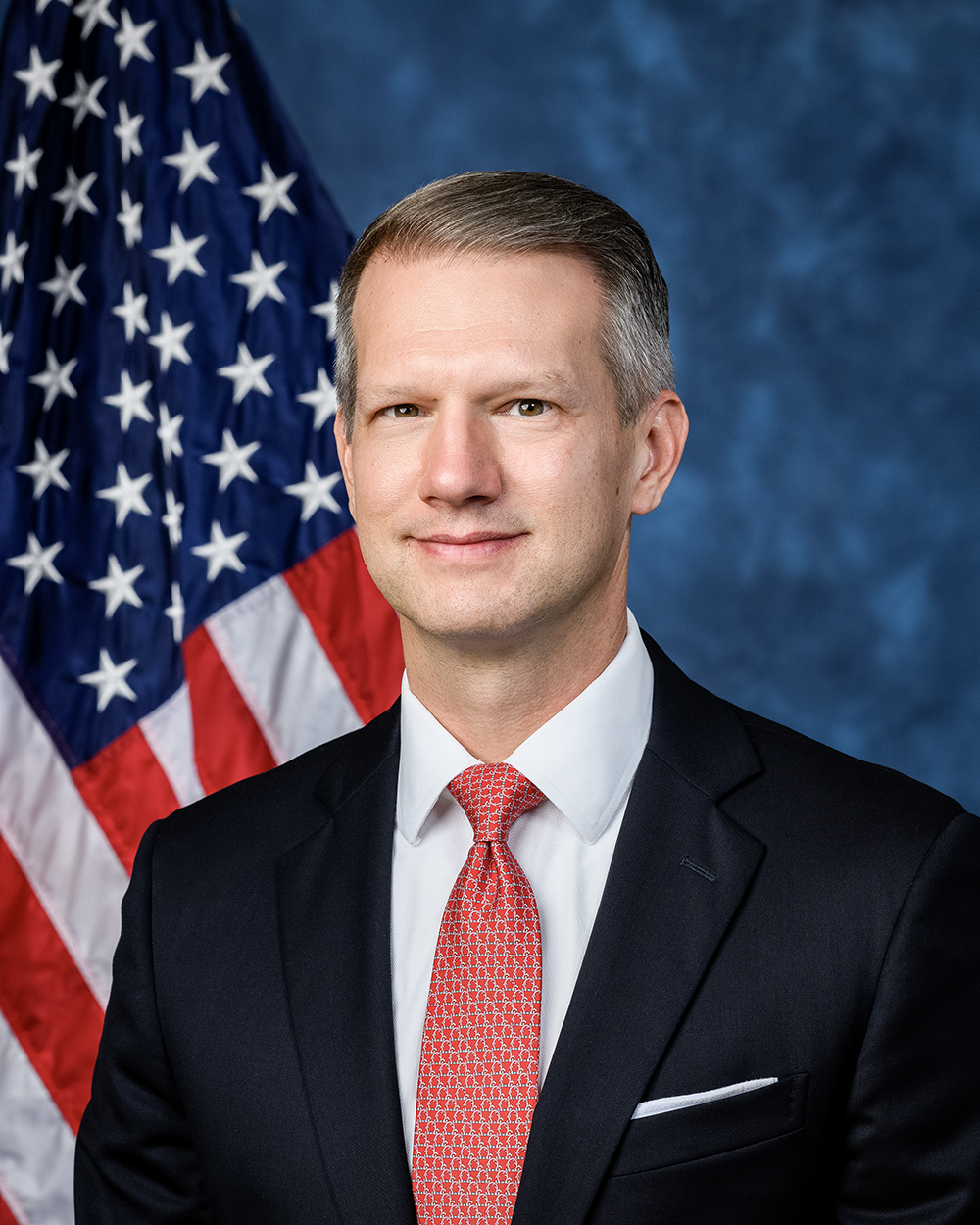
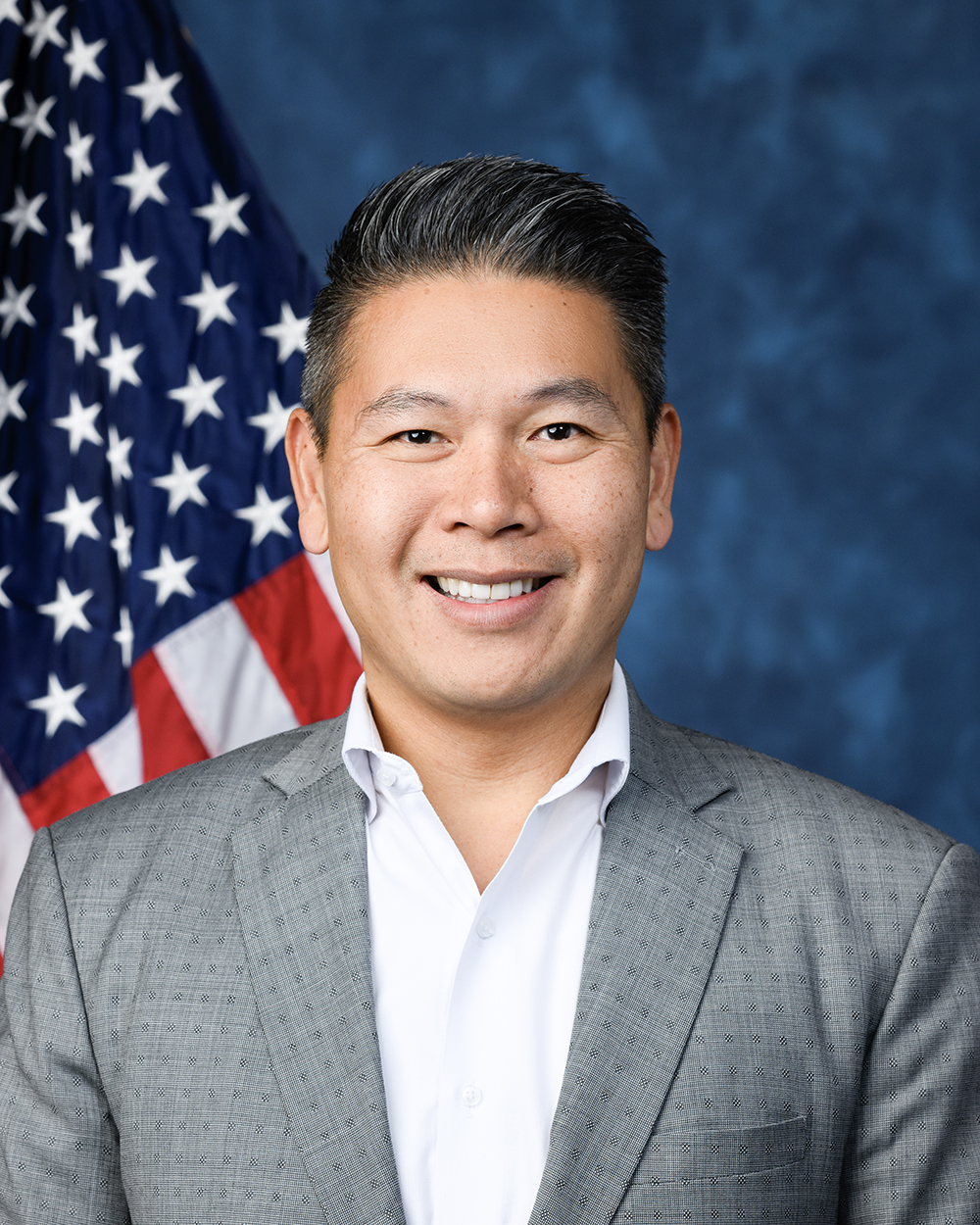
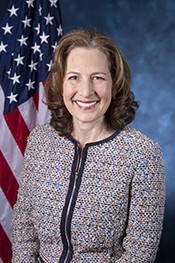
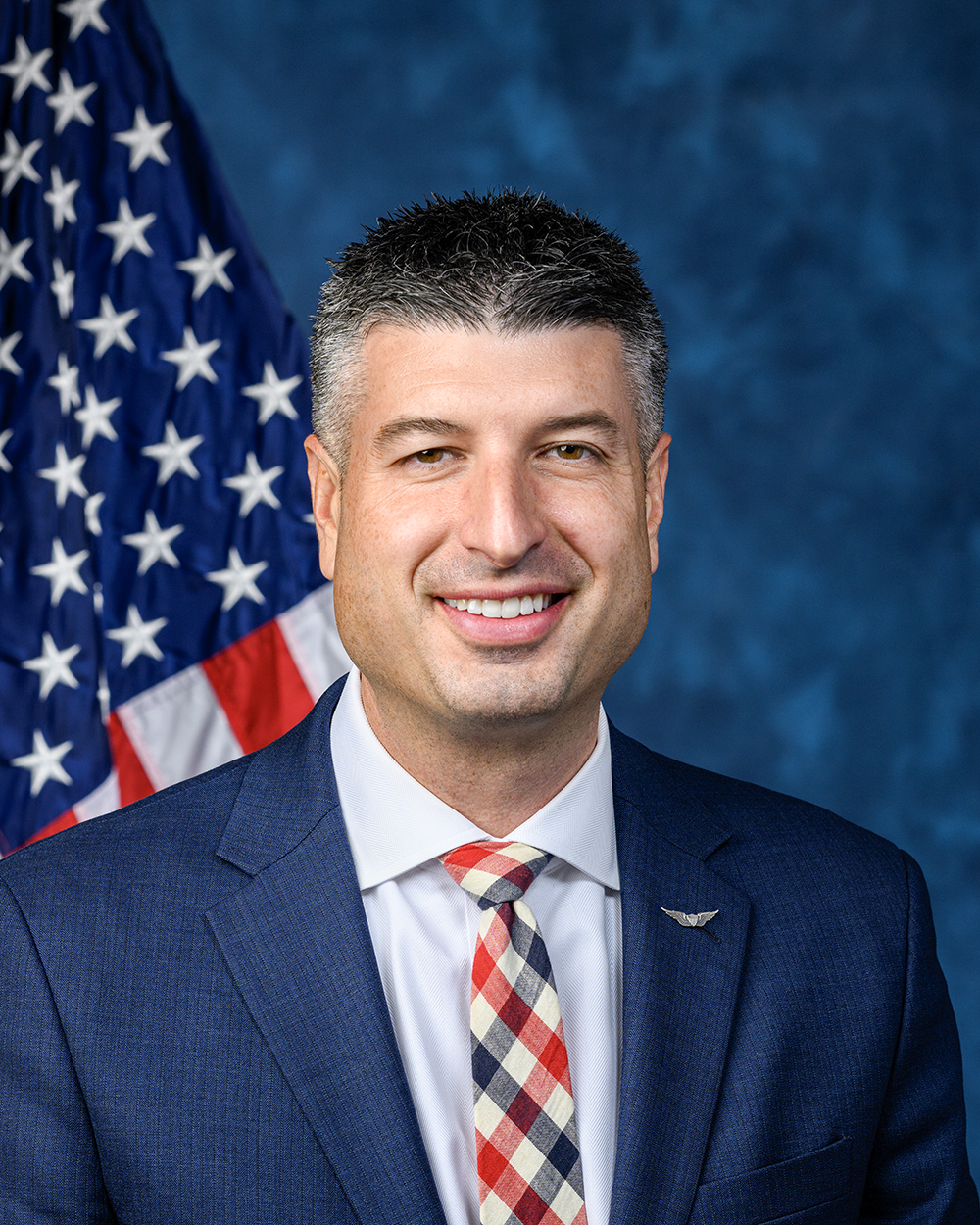
September 24, 2026 Press Release Washington, D.C. — Today, Congressmen Tom Barrett (MI-07), Greg Landsman (OH-01), and Jamie Raskin (MD-08) introduced the No Secrets for Data Centers Act to prohibit non-disclosure agreements (NDAs) by government officials to conceal details of data center projects from the public. The bipartisan bill, which applies to federal, state, and local officials, builds on the No Data Center NDAs Act Barrett introduced last month to prohibit members of Congress from signing NDAs to hide data center details. The legislation comes as government officials are increasingly signing NDAs with data center developers, keeping local residents in the dark about how the projects could affect natural resources and electric rates. “Local residents must have the final say about data centers in their communities, and that means they need to know all the facts so they can make an informed decision,” Barrett said. “The recent surge in NDAs is keeping people in the dark about how a data center might affect their land, their water, and their electric bills — until it’s too late. Blocking these confidentiality agreements is an important step in our fight to increase transparency and protect citizens’ right to decide what is best for their community.” “Big Tech needs to be transparent about these deals, not force local officials to sign NDAs and keep secrets from their communities,” said Landsman. “That means no more NDAs. Transparency can’t just be a promise – it needs to be law.” “The American people have a right to know how data centers being built in their communities will affect local utilities, the local environment, and the local economy, and who will be responsible if and when things go wrong,” said Raskin. “Yet throughout the country, local officials are blocked from discussing these projects with their constituents because of the Non-Disclosure Agreements Big Tech companies are imposing to cloak these projects in secrecy. I’m proud to introduce this bill with Rep. Landsman to ban these corporate gag orders and make sure no public official is stifled in their most fundamental duty: answering to the people they represent and protecting their interests.” The new bill also comes the week after Barrett and the U.S. House of Representatives approved the Ratepayer Protection Act to require large-load energy customers, such as data centers, to cover the full costs of increased grid capacity. Background The No Secrets for Data Centers Act would prohibit and invalidate NDAs signed by government officials to conceal details of data center projects. NDAs have gained attention in Michigan in recent years, with many federal , state , and local officials signing secrecy deals about a variety of proposed corporate projects. The bill would also prohibit data center operators from receiving government incentives if the conditions include entering an agreement to keep information about the project confidential. Michigan currently prevents disclosure of details about data centers receiving targeted tax incentives, and other states have adopted similar confidentiality provisions. Barrett has been a leader on reining in government overreach and increasing transparency and accountability for artificial intelligence and data centers. He voted against Michigan’s corporate welfare for data centers when he was a state lawmaker, and he’s introduced or co-sponsored the following bills in Congress: The Protecting Local Control of Data Centers Act ( H.R. 10119 ) to prohibit federal agencies from overriding local land-use, zoning, siting, or permitting authority related to data centers. The No Data Center NDAs Act ( H.R. 10118 ) would prohibit members of Congress from signing non-disclosure agreements (NDAs) about data centers, including any information about possible locations or how much water or energy a facility is expected to consume. The Doctors Not AI Act ( H.R. 10210 ) , introduced by Barrett and Landsman, to ensure that artificial intelligence cannot make or dictate health insurance coverage decisions involving medical judgment. The Children Harmed by AI Technology (CHAT) Act ( H.R. 7218 ) to require AI chatbots to implement age verification measures to protect minors. The bill requires parental consent for minors using chatbots, bans chatbots from engaging in sexually explicit communications with minors, and requires chatbots to notify a minor’s parent if the minor’s chat shows signs of suicidal ideation. The AI Threat Output and Monitoring Incident Containment Act ( H.R. 9965 ) to test advanced AI systems to prevent risks to nuclear safety. The Human Authority over Autonomous Weapons Act ( H.R. 9729 ) to ensure that no autonomous or artificial intelligence-enabled weapon system used by the United States military can carry out an intentionally lethal strike without meaningful human oversight or a human decision-maker in the loop. The VA Claims AI Accountability Act ( H.R. 10418 ) to require VA employees — not AI — to make the final decisions for approval of disability claims or benefits. The bill also strengthens oversight and accountability for the VA’s digital benefits system. The VA AI Transparency Act ( H.R. 10417 ) to require the VA to disclose to every veteran any use of AI by the VA, including in claims processing and customer service chats. CLICK HERE to read the No Secrets for Data Centers Act.
d4a2e68d-17f4-4585-b613-99c093044074Issued within 24 hours
Other senators' releases published in the day before or after this one.