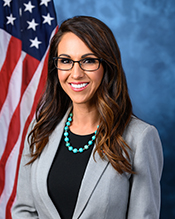
Miller-Meeks Introduces Bill to Protect Medicaid Whistleblowers from Retaliation
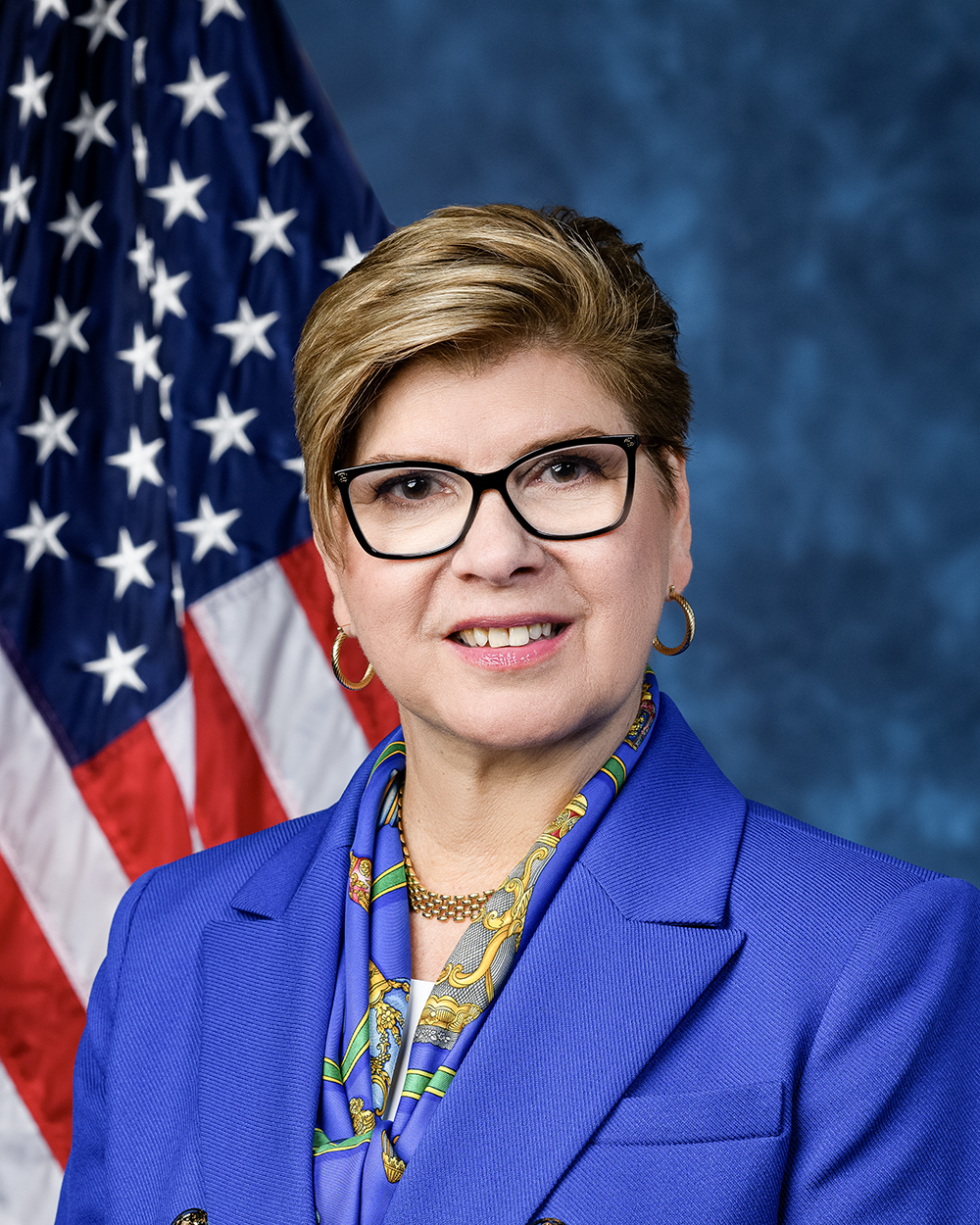
October 5, 2026 Press Release WASHINGTON, D.C. — Congresswoman Mariannette Miller-Meeks, M.D. (IA-01) has introduced the Medicaid Whistleblower Protection Act , legislation to establish clear federal protections for state and local employees who report fraud, waste, and abuse in Medicaid programs. The bill comes after widespread reports of retaliation against whistleblowers in states like Minnesota, where public servants say they were punished for raising early warnings about fraud that later cost taxpayers hundreds of millions of dollars. The bill amends Title XIX of the Social Security Act to prohibit adverse employment actions against Medicaid workers who make protected disclosures, and it establishes a clear administrative and judicial process for whistleblowers to seek relief, including reinstatement, back pay, and damages. "No public servant should have to choose between their conscience and their livelihood. Whistleblowers who report fraud, waste, and abuse in Medicaid are protecting taxpayer dollars and the vulnerable people this program is meant to serve, and they deserve real protection, not retaliation," said Dr. Miller-Meeks . "The Medicaid Whistleblower Protection Act gives whistleblowers a clear legal process to report wrongdoing and seek relief if they're punished for speaking up. I will fight to make sure the people willing to tell the truth are protected, not silenced." The Medicaid Whistleblower Protection Act is one of 14 bills in House Energy and Commerce Republicans' "Continuing the Fight Against Fraud" package , a sweeping program-integrity agenda introduced under Chairman Brett Guthrie (KY-02) to give states better data and technology, stronger enforcement incentives, and clearer accountability to detect and recover improper Medicaid payments. “The amount of fraud that the Biden-Harris Administration allowed to go unchecked in government health programs is unacceptable. Every dollar stolen by fraudsters or wasted on improper payments is a dollar taken away from supporting families in need who rely on these programs,” said Chairman Guthrie. “While states are on the front lines of confronting this fraud, we must take commonsense steps to ensure that they are able to recoup their costs, providing incentives to do the vital work that is needed, including needed data sharing and new technologies that support enforcement, to ensure the program can continue to work for the Americans it was designed to serve. By using enhanced data analytics to find and eliminate fraud, incentivizing states to crack down on fraud more diligently, and fortifying the integrity of critical health programs, Republicans are leading the charge to restore the long-term vitality of federally funded health systems. Our multi-faceted program integrity package will help to combat the fraud that has plagued our system for far too long, I’m grateful for the consistent focus of our bill sponsors and their tireless effort to protect these programs, and we look forward to continuing the fight ensure Americans have access to the care they need.” "I am so grateful for the leadership of Congresswoman Miller-Meeks and the House Energy & Commerce Committee for introducing this whistleblower protection bill. Too often, as we have seen in Minnesota, brave whistleblowers are retaliated against by politicians and agency leaders who are more interested in protecting their political base than taxpayers and vulnerable citizens. The federal, state and county workers who run these programs are often the first to see red flags, but, as we have seen time and again in Minnesota, if they dare to point it out, they are called racist, accused of creating a hostile work environment, demoted, reassigned or otherwise harmed personally and professionally," said Kristin Robbins, Minnesota State Representative, House District 37A . "The Whistleblower Protection bill will expand protections for federal, state and county employees so they can do what they do best: serve the public, help vulnerable citizens and protect taxpayers' hard-earned money." Miller-Meeks is also leading a second bill in the package, the WALZ Act , which requires the HHS Office of Inspector General to review whether a 10 percent increase in a state's Medicaid spending may be attributable to fraud, waste, or abuse, giving Congress and states a data-driven early warning system for the kind of unchecked spending growth whistleblowers say went ignored in Minnesota for years. Background The Medicaid Whistleblower Protection Act would: Prohibit adverse employment actions, including discharge, demotion, suspension, threats, harassment, or other discrimination, against covered individuals who make a protected disclosure related to a State Medicaid program. Establish an administrative process for whistleblowers to seek relief, with the right to judicial review if they disagree with the outcome. Provide remedies including reinstatement, two times back pay with interest, compensation for litigation costs and attorneys' fees, and punitive damages in cases of malice or reckless indifference. Define protected disclosures broadly to include violations of law, fraud, waste, or abuse involving federal or state funds, gross mismanagement, abuse of authority, or a substantial danger to public health or safety. The legislation follows a letter submitted to the House Committee on Oversight and Government Reform on January 7, 2026, by current and former Minnesota Department of Human Services employees, describing a pattern of retaliation against workers who raised early concerns about fraud in DHS programs. The letter states that employees flagged contracting irregularities, unusual financial transactions, and signs of fraud as far back as 2019, and that those who spoke up faced surveillance, repeated investigations, reassignment, and termination. It was entered into the congressional record and referenced in subsequent testimony before the Oversight Committee. The bill also follows a Majority Staff Report released by the House Committee on Energy and Commerce, through the work of the Subcommittee on Oversight and Investigations chaired by Congressman John Joyce, M.D. (PA-13), detailing how fraud has continued to undermine the integrity of critical taxpayer-funded health care programs and the disparities in oversight and enforcement across state Medicaid programs. The report outlines 13 investigative findings and 37 recommendations to strengthen program integrity and keep fraudsters out of Medicare and Medicaid. During the investigation, the Committee sent 12 letters, held three Oversight and Investigations hearings, and reviewed more than 100,000 pages of documents. Read the full report here . "The Oversight and Investigations Subcommittee is focused on rooting out fraud that threatens the future of Medicare and Medicaid. These crimes hurt patients and steal from the American taxpayer," said Chairman Joyce . "We will continue to expose those who exploit the system, hold fraudsters accountable, and advance commonsense recommendations that states can implement. This cannot be solved alone. Protecting the integrity of these programs must be a shared goal, because millions of Americans are counting on us to get it right." About the "Continuing the Fight Against Fraud" package : Medicaid remains vulnerable to waste, fraud, abuse, and improper payments going undetected. The 14-bill package strengthens program integrity in three ways: better data and technology for states to detect fraud, stronger enforcement tools and incentives to recover improper spending, and clearer accountability requiring states to identify vulnerabilities and take corrective action. In addition to the Medicaid Whistleblower Protection Act and the WALZ Act, the package includes bills from Chairman Guthrie and Committee Republicans, such as Griffith's Medicaid Fraud Fighting and Taxpayer Protection Act, Balderson's SMART Act, Joyce's Medicaid Integrity Improvement Act, and Pfluger's Medicaid Integrity and Fiscal Accountability Act, among others. ### Issues : Delivering Results Health
d6a1b086-ecc2-443a-84f9-0c44fe69db58Issued within 24 hours
Other senators' releases published in the day before or after this one.