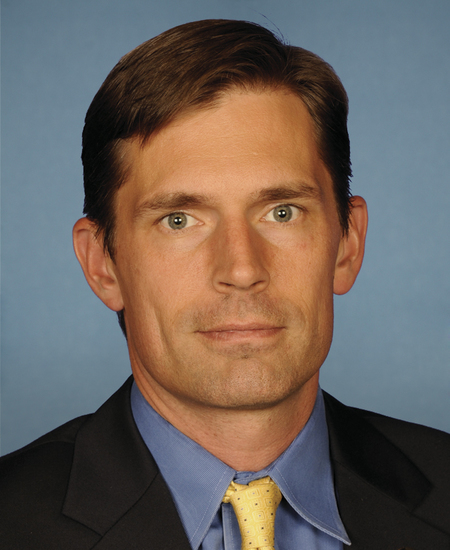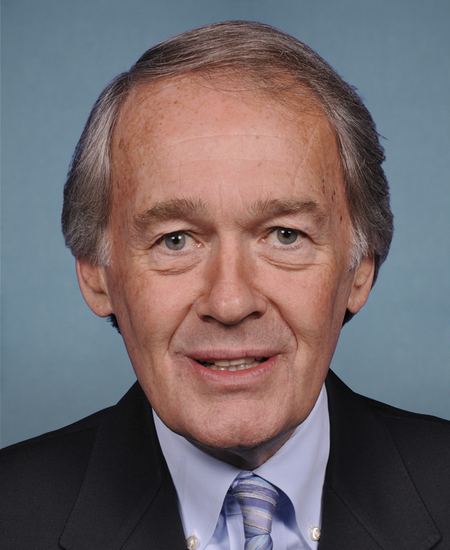
Sen. Markey, Rep. Adams Reintroduce Legislation to Protect Critical Records from Environmental Damage
Bill Text (PDF) Washington (November 6, 2026) - Senator Edward J. Markey (D-Mass.), a member of the Health, Education, Labor and Pensions (HELP) Committee and Environment and Public Works Committee, and Congresswoman Alma Adams, Ph.D. (NC-12) today announced the introduction of the Public Archives Resiliency Act to authorize grants to support long-term climate resiliency, preservation, and continuity of records and documents for archival intuitions, including libraries and museums. As the climate crisis continues to worsen, the need to protect historic government records from damage is vital. This includes records generated through birth, death, marriage, taxes, military service, education, immigration, property ownership and much more. Too many of the institutions responsible for managing the preservation of these documents are at risk of environmental damage and lack the necessary resources to protect the indispensable records of their communities. If these records are destroyed, individuals’ ability to access critical government benefits and services are delayed and historic cultural artifacts are lost. “Our nation’s history is not only told through monuments, museums, and founding documents—it’s written in birth certificates, marriage licenses, military records, and countless other documents that tell the stories of everyday Americans,” said Senator Markey . “As we celebrate America’s 250th birthday, we must ensure that Americans’ irreplaceable personal records are protected from environmental catastrophe. The Public Archives Resiliency Act will help safeguard these vital records from climate-fueled disasters, protecting Americans’ identities, rights, and benefits for years to come.” “I am proud to reintroduce the Public Archives Resiliency Act with Senator Markey,” said Congresswoman Adams . “Protecting public registries, Tribal records, museums, and libraries is an essential part of preserving our nation’s cultural identity. This bill will ensure that our record-keeping institutions have the resources to withstand future disastrous events, so that no family will lose the documents safeguarding their legal and financial rights.” “America’s archives have a unique role in underpinning legal and civic life, and preserving cultural memory. Archives are part of the foundational infrastructure of our democracy. The growing frequency and severity of climate change-related disasters have serious consequences for America’s archives and the archivists who steward these vital records. This legislation is critically important to address this increasingly urgent issue, and to safeguard our shared American history,” said Eira Tansey , internationally recognized expert on the impacts of climate change on archives, and author of A Green New Deal for Archives . “For over forty years, America’s repositories have been trapped in what an early 1980s National Historical Publications & Records Commission (NHPRC) report termed ‘a cycle of poverty’—bearing the weight of structural underfunding and precarious staffing while stewarding the bedrock of our nation’s civic memory. Chronic underfunding directly compounds this crisis: it leaves facilities vulnerable to severe weather, stalls preventative mitigation, and denies staff the capacity to build emergency safeguards before disaster strikes. The Public Archives Resiliency Act is the vital federal intervention we have needed for decades. By investing directly in archival workers and resilient infrastructure through the Institute of Museum and Library Services (IMLS) and NHPRC, this legislation breaks that exhausting cycle and ensures our democracy’s documentary heritage will endure,” said Brenda Gunn, President of the Society of American Archivists . “The resiliency of our public archives is a cornerstone of democratic accountability and constitutional governance. Budget pressures, uncertain grant funding, and other challenges across the United States underscore the need for increased public support for independent, secure archives. Individuals often rely on the creation and preservation of records - censuses, taxes, military service, education, legal proceedings, property ownership, among others - to protect their rights and property, to secure benefits, and to recover from disaster. We must invest in the institutions and people that accomplish this essential work to be sure these records are collected, preserved, and made accessible without disruption,” said Joy Banks, Executive Director of the Council of State Archivists . ###
d8489699-1675-4b9e-aa68-23962b982ad3Issued within 24 hours
Other senators' releases published in the day before or after this one.