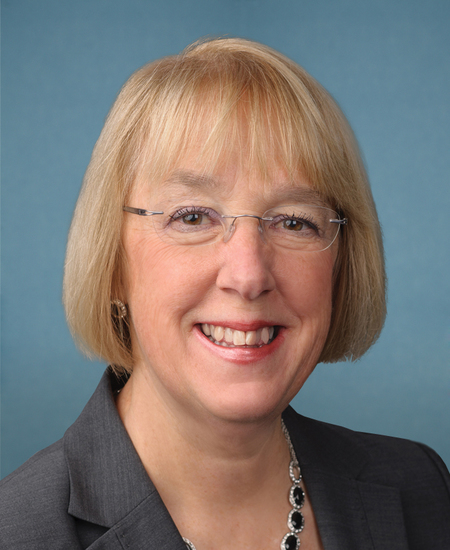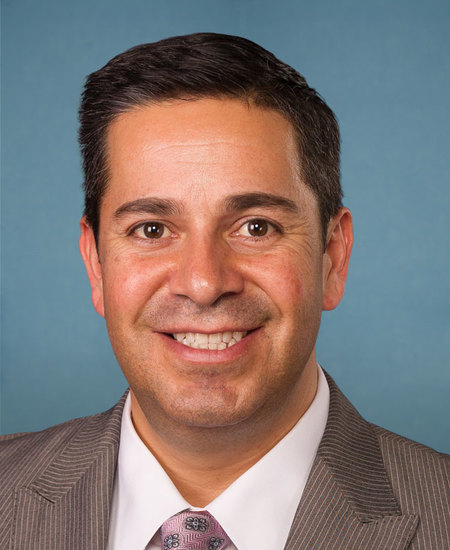
Luján, Warnock Lead Broad Coalition of Senators to Push Senate Leadership to Delay Republican Medicaid Cuts Over Concerns About Coverage Loss
Nearly $1 trillion in Medicaid cuts championed by Congressional Republicans and signed into law by President Trump will begin taking effect in January 2027; Three to seven million Americans are estimated to lose their health care coverage from work reporting requirements alone; Luján and Warnock: “ The midterm results reveal a clear message: the American people are hurting, and we must do what we can to alleviate and prevent further harm ” Washington, D.C. – Today, Senate Finance Committee members U.S. Senators Ben Ray Luján (D-N.M.) and Reverend Raphael Warnock (D-GA), along with 14 of their colleagues representing a broad swath of the Democratic coalition, are calling on Senate leadership to delay new Medicaid work reporting requirements enacted in Congressional Republicans’ One Big Beautiful Bill Act, warning that the work reporting requirements could cause millions of Americans to lose their health care coverage. Nearly $1 trillion in Medicaid cuts championed by Congressional Republicans and signed into law by President Trump will begin taking effect in January 2027 unless Congress moves to blunt their impact. “The midterm results reveal a clear message: the American people are hurting, and we must do what we can to alleviate and prevent further harm,” said the senators . “While we remain committed to a full repeal of all Medicaid cuts, we urge you to include, in the next legislative vehicle, policies that can mitigate the imminent coverage loss from the work reporting requirements set to take effect on January 1, 2027.” Medicaid is a cornerstone of the U.S. health care system, providing health insurance coverage to more than one in five Americans. The program covers 40% of U.S. births, provides 20% of all hospital funding, and is the single largest payer of long-term services and supports, including nursing home care. President Trump and Congressional Republicans have made cuts to Americans’ health care coverage a central part of their legislative agenda since President Trump returned to office. A July report found that two million fewer children were enrolled in Medicaid in April, compared to January 2025 when President Trump took office. Alongside Senators Luján and Warnock, the letter is cosigned by Senators Michael Bennet (D-CO), Lisa Blunt Rochester (D-DE), Tammy Duckworth (D-IL), Mazie Hirono (D-HI), Tim Kaine (D-VA), Mark Kelly (D-AZ), Andy Kim (D-NJ), Alex Padilla (D-CA), Brian Schatz (D-HI), Jeanne Shaheen (D-NH), Chris Van Hollen (D-MD), Angela Alsobrooks (D-MD), Tina Smith (D-MN), and Tammy Baldwin (D-WI). A copy of the letter can be found HERE and text is below : Dear Chairman Crapo, Ranking Member Wyden, Majority Leader Thune, and Minority Leader Schumer, As we approach 2027, we ask that Congressional leaders consider policies that will lessen impending harm to families, communities, and states across the country due to the Medicaid cuts from H.R. 1 in the next moving legislative vehicle. The midterm results reveal a clear message: the American people are hurting and we must do what we can to alleviate and prevent further harm. Absent the Centers for Medicare & Medicaid Services (CMS) using its statutory authority and enforcement discretion to protect people from losing their health care due to states clearly not being ready to implement bureaucratic red tape, Congress must step in. While we remain committed to a full repeal of all Medicaid cuts, we urge you to include, in the next legislative vehicle, policies that can mitigate the imminent coverage loss from the work reporting requirements set to take effect on January 1, 2027. No state that has attempted work reporting requirements in Medicaid has ever meaningfully increased workforce participation. Instead, every state that has done so has either seen or predicted significant coverage loss for people who continue to be eligible for Medicaid but lose coverage because they can’t navigate all the red tape. That is because affordable and reliable access to health care improves workforce participation, not the other way around: healthy people make a healthy economy. Even disregarding the decades of empirical evidence demonstrating that work reporting requirements fail to achieve their intended effects, the reality is that states have had neither the time nor resources to set up complex work reporting systems by 2027. Under H.R. 1, states had fewer than 18 months to make complex eligibility and enrollment systems changes, conduct readiness reviews, train staff, and educate enrollees, during a time when many states are already budget-constrained and experiencing staff shortages at the agencies responsible. The Centers for Medicare & Medicaid Services (CMS) released its Interim Final Rule (IFR) on the work reporting requirements on June 1, 2026, just six months before states must have their programs up and running, and with less than one month for states to meet the required notification timeframes. The IFR also adds restrictions and requirements beyond the law to the medical frailty definition, adding unexpected complexity. According to the non-partisan Congressional Budget Office, more than 5 million Americans are estimated to lose their coverage from the work reporting requirements alone. This represents up to one-third of adults in Medicaid expansion states losing their coverage. Most of the individuals at risk of losing coverage would likely continue to qualify for Medicaid: 92 percent of Medicaid enrollees are already working, caregiving, in school, or have an illness. But they will likely lose coverage nonetheless because of the bureaucratic red tape that Americans will be forced to navigate, a complex system made more chaotic by the rushed timeline that states have been forced to meet. In light of these concerns, we urge Senate Leadership to consider a two-year delay in the implementation of the work reporting requirements. Sincerely, ###
df63f721-8d73-41a9-ad84-285b69cafedbIssued within 24 hours
Other senators' releases published in the day before or after this one.