Cornyn Cosponsors the Prevent Government Shutdowns Act
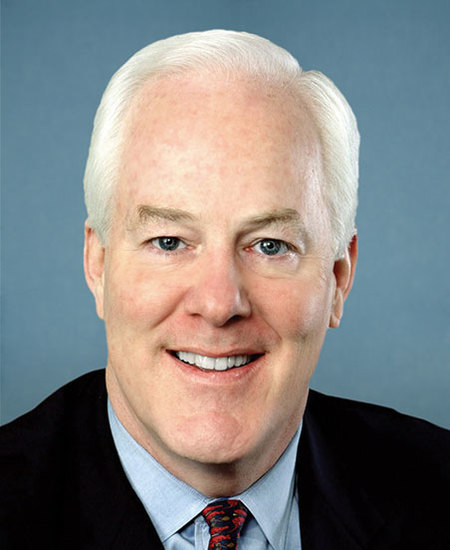
Cornyn Cosponsors the Prevent Government Shutdowns Act News Cornyn Cosponsors the Prevent Government Shutdowns Act July 22, 2026 WASHINGTON – U.S. Senator John Cornyn (R-TX) today cosponsored the Prevent Government Shutdowns Act of 2026 , which would mandate automatic 14-day appropriations at the same rate as the previous fiscal year to prevent the shutdown of government services and operations that lack appropriations while Congress negotiates a spending agreement for the new fiscal year. This bill would also place limitations on official travel for Members of Congress and restrictions on legislative floor procedure during the covered period of the auto-continuing resolution. “One of Congress’ core duties is to fund the federal government, but in recent years, this responsibility has fallen by the wayside as Democrat leaders have tried to inject their radical agendas into the appropriations process,” said Sen. Cornyn. “I am proud to cosponsor the Prevent Government Shutdowns Act, which would trigger automatic continuing resolutions in the event that Congress needs more time to work through a funding bill for the new fiscal year and help ensure needless and hurtful political charades like last year’s Schumer Shutdown come to an end.” The legislation is being led by Senators James Lankford (R-OK) and Maggie Hassan (D-NH). Additional cosponsors include Senators John Barrasso (R-WY), Steve Daines (R-MT), Joni Ernst (R-IA), Chuck Grassley (R-IA), Dave McCormick (R-PA), Shelley Moore Capito (R-WV), Mike Crapo (R-ID), John Kennedy (R-LA), Deb Fischer (R-NE), Tim Sheehy (R-MT), Tim Scott (R-SC), Pete Ricketts (R-NE), John Fetterman (D-PA), Tim Kaine (D-VA), Elissa Slotkin (D-MI), Jacky Rosen (D-NV), and Mark Kelly (D-AZ). Background : In the last almost 50 years, Congress has only completed the full appropriations process on time as per the Congressional Budget Act of 1974 four times. Since Congress began setting deadlines to pass federal budgets in 1977, there have been 23 funding gaps. Thirteen of these gaps resulted in the furloughing of federal employees and the cessation of government services. The last full government shutdown lasted from October 1, 2025, to November 12, 2025, making it the longest complete shutdown in American history. If enacted, this bill would limit official travel for Members of Congress, White House Office of Management and Budget staff, and congressional staff, prohibit congressional recesses or adjournments, and restrict the consideration of legislation unrelated to appropriations after the beginning of a fiscal year if one or more spending bills have not been signed into law. These restrictions could be waived by a two-thirds vote in either the Senate or House, but any waiver would be limited to no more than seven days. The bill would still allow consideration of must-pass items, including: Reconciliation; Legislation addressing the debt limit; And measures relating to an emergency or disaster declared by the President.
e54d2a12-1124-48c8-8ff1-6de38b034647Issued within 24 hours
Other senators' releases published in the day before or after this one.