Senators Tina Smith, Jerry Moran Re-Introduce Legislation to Lower Cost of Oral Cancer Treatments
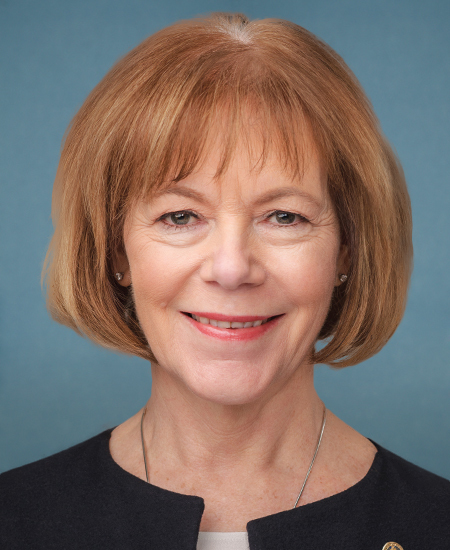
WASHINGTON, D.C. – U.S. Senators Tina Smith (D-MN) and Jerry Moran (R-KS) reintroduced bipartisan legislation to cut costs for cancer patients. Specifically, the bill would ensure cancer patients who are prescribed oral chemotherapy medication can access their drugs at comparable prices to other cancer treatments. Their Cancer Drug Parity Act requires health insurers to cover patient-administered (oral) cancer medications at the same cost-sharing level as traditional intravenous (IV) anticancer drug treatments, closing the coverage gap for federally regulated health plans. Over 2 million Americans are estimated to be diagnosed with cancer each year, and oral medications are a simpler, highly effective treatment option for many patients. According to a Susan G. Komen study released earlier this year, people receiving IV treatment reported a significantly greater negative impact on their daily lives than people receiving oral treatment, including having to take more time off from work. Despite these benefits, oral cancer treatments remain inaccessible to many patients due to unaffordable copays. “Oral treatments for cancer are often less invasive than traditional IV medications and can be taken at home, reducing logistical and occupational barriers to treatment,” said Sen Smith. “However, unlike IV treatments, which are covered by a health plan’s medical benefits with moderate to minimal copays, oral medications often have high, unaffordable copays. It can add up to thousands of dollars in costs for patients each year and can cause many to delay or forego necessary care to treat their cancer. Our bill brings parity to these two kinds of treatments and lowers costs for those taking oral cancer drugs.” “As cancer research and medical innovation continue to expand treatment options for cancer patients, including with orally administered cancer therapies, patients ought to be able to benefit from these medical advancements,” said Sen. Moran. “This commonsense legislation would encourage ERISA health insurance plans to expand access to orally administered cancer drugs. This legislation will help millions of patients access the therapies that best meet their needs. Improving access to new treatments, therapies and cures will help save lives.” “Patients with cancer should have equitable and affordable access to all treatment options, regardless of how they are administered,” said Danielle Doheny , Director of Public Policy and Advocacy for the International Myeloma Foundation who chairs the Coalition to Improve Access to Cancer Care. “Patients should not have to pay more simply because they take their medication at home rather than receiving an infusion. Insurance coverage should reflect today’s standards of care, not outdated benefit designs. The International Myeloma Foundation, which coordinates the Coalition to Improve Access to Cancer Care, appreciates Senators Smith and Moran for their continued leadership on the Cancer Drug Parity Act and looks forward to continuing to work with Congress to advance this important legislation.” “Oral therapies are an important cancer care advancement that can reduce the burden of care for some and can be not only the best option, but the only option for others, especially for those living with metastatic breast cancer,” said Molly Guthrie, Vice President of Policy & Advocacy at Susan G. Komen. “Unfortunately, outdated insurance design often takes away patient and provider choice leaving these treatments out of reach for too many. Komen is proud to support the Cancer Drug Parity Act and applauds Senators Smith and Moran for their continued efforts to ensure breast cancer patients can choose the best treatment for them without erroneous barriers.” More than 40 states and the District of Columbia have enacted “oral parity” laws, which prevent health plans from creating different cost-sharing requirements for oral and IV cancer medicines. These laws have made a significant difference for cancer patients—for example, researchers found that the number of multiple myeloma patients initially charged $0 for oral medications nearly quintupled with the enactment of oral parity laws. Senators Smith and Moran’s bipartisan Cancer Drug Parity Act would build on this state-level success by: Expanding oral parity protections to privately-insured patients whose health care is regulated at the federal level. Preventing insurers from covering oral and self-administered medicines at different cost-sharing rates than IV anti-cancer drug treatment. Implementing these requirements for health plans that already cover both oral and IV anti-cancer drug treatments. This bill is endorsed by over 35 organizations representing cancer patients and the medical community. ###
e9409ad1-e6eb-417a-b0da-1e68d94665fdIssued within 24 hours
Other senators' releases published in the day before or after this one.