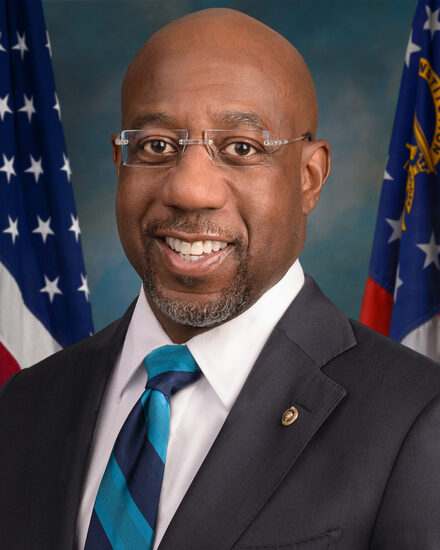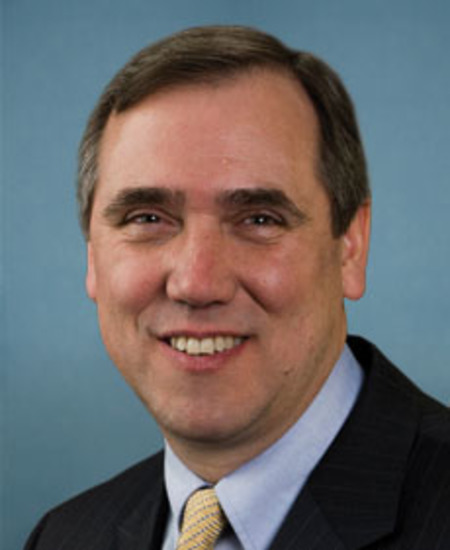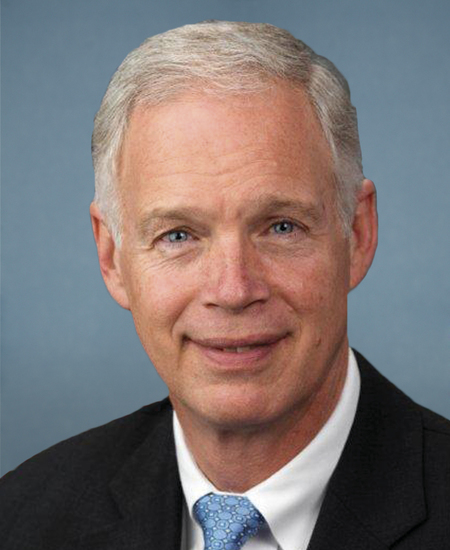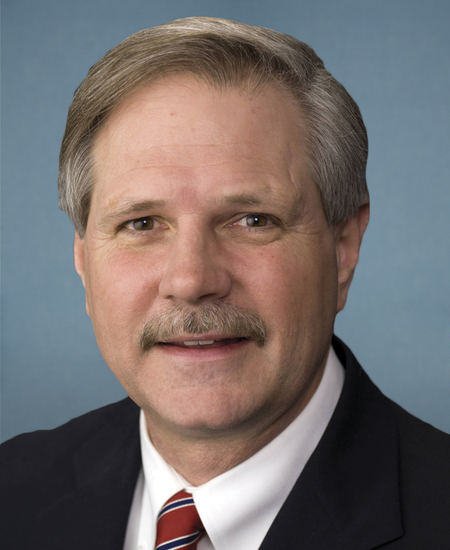
Cassidy, Durbin, Tillis, Kaine, Cornyn, King, Armstrong Introduce Bipartisan Proposal to Initiate Congressional Action on Social Security
WASHINGTON – U.S. Senators Bill Cassidy, M.D. (R-LA), Dick Durbin (D-IL), Thom Tillis (R-NC), Tim Kaine (D-VA), John Cornyn (R-TX), Angus King (I-ME), and Alan Armstrong (R-OK) today introduced a proposal to initiate Congressional action on Social Security. The Protecting Retirement Opportunities and Maintaining Income Security for Everyone (PROMISE) Act follows the release of the Social Security Board of Trustees’ annual report, which found that the Social Security Trust Fund will only be able to cover 78 percent of benefits in 2032—meaning that Americans who rely on the program will have their benefits reduced by 22 percent if Congress does not act. “Millions of Americans rely on Social Security to live. In 6 years, those families will see a 22% cut to their benefits if Congress doesn’t act. Our plan starts the process of preserving promised benefits for current retirees and the next generation of Americans,” said Dr. Cassidy. “Here is our chance to agree on a bipartisan process to rescue Social Security this year,” said Senator Durbin . “Our bipartisan proposal opens Congress to debate this issue in a transparent, fair, and bipartisan way. We were elected to solve problems—and there’s no greater problem than the solvency and future of Social Security.” “Social Security is on an unsustainable path that will lead to dramatic benefit cuts for retirees and growing skepticism among workers paying into a program on the brink of insolvency. With each passing year, the menu of options that preserve benefits and limit tax hikes narrows. The modest reforms Congress contemplated in 2010 would have put Social Security on solid footing for 75 years; today, those same reforms would add less than two years to our current runway,” said Senator Tillis . “I won’t pretend there’s consensus on how we solve this, but the math is unforgiving: the longer Congress waits to act, the fewer good options remain, which is why I am proud to support this legislation.” “For nearly a century, Social Security has been a lifeline that allows Americans to retire with dignity. Congress should not wait around until the last minute to shore up this critical program and prevent broad-based benefit cuts upon Trust Fund depletion,” said Senator Kaine . “That’s why I’m joining a bipartisan group of my colleagues in introducing legislation that will encourage Congress to roll up its sleeves and find a path forward to ensure current and future generations of retirees and their families are able to receive the benefits they have earned and which they are owed.” “For years, we’ve known that Social Security faces serious long-term financial challenges, yet Congress has repeatedly chosen to look the other way,” said Senator King . “This legislation creates a bipartisan process to ensure Congress finally does its job. Social Security is a promise millions of Americans have earned through a lifetime of work – household budgets rely on the timely arrival of these earnings to pay for mortgages, heat, and medications. We have a responsibility to preserve that promise for today’s retirees and for generations to come.” “Americans have paid into Social Security with the expectation that the benefits they earned would provide the foundation for their retirement, and Congress has a responsibility to keep that promise,” said Senator Cornyn. “I’m proud to support this bipartisan plan of action to address Social Security’s rapidly approaching insolvency before it becomes a bigger crisis so Congress is not caught flat-footed and Texans are not left holding the bag.” More than 70 million Americans receive Social Security benefits. Social Security is a bedrock promise that hard-working Americans paying into the program will earn their retirement and not have to worry about putting food on their table, a roof over their heads, or medicine in their cabinets. However, last month’s Trustees report means that seniors and people with disabilities would have their benefits reduced by $450 per month (based on the average Social Security benefit of $2,071 per month). If Congress does not act, this automatic across-the-board benefit cut could push more than three million additional seniors and people with disabilities into poverty. Members of Congress have introduced several pieces of legislation that would ensure that the Social Security Trust Funds are funded for the next 75 years. Some of these bills have nearly 200 cosponsors, and others are bipartisan and have broad, popular support. However, almost none of them have ever received a vote. Congress should not wait until the Social Security Trust Fund is empty to address this issue when it can act now to protect and strengthen the Social Security Trust Fund for current and future generations. The PROMISE Act would create a procedure to initiate Congressional action on Social Security. Specifically, under the Senators’ proposal: The Social Security Advisory Board (SSAB), an independent, bipartisan advisory committee established to make recommendations to Congress, would transmit a base bill (which must ensure that the Social Security Trust Funds are funded for at least the next 50 years) to Congress. The Majority Leaders of the Senate and House would introduce the base bill. If they do not, any Member of Congress could do so. The base bill would be referred to the Senate Finance Committee and House Ways & Means Committee. Both committees would have the chance to hold hearings and amend the base bill. The Senate Finance Committee and House Ways & Means Committee would report the base bill (as potentially amended). If the Committees do not report the base bill, it automatically would be discharged and placed on the Senate and House calendars. The Majority Leaders of the Senate and House would move to proceed to the base bill (as potentially amended). If the Majority Leaders do not, any Member of Congress could do so. Members of Congress could offer substitute amendments (which must ensure that the Social Security Trust Funds are funded for at least the next 50 years) to the base bill (as potentially amended) after the motion to proceed. The Senate and House would vote on passage of the base bill (as potentially amended) after 100 hours of consideration. Final passage would require a three-fifths vote in the Senate and a majority vote in the House. According to polling from the Bipartisan Policy Center, 67 percent of those polled want Congress to take near-term action to solve Social Security’s impending challenges. The following organizations support the PROMISE Act: Peterson Solutions Fund, Bipartisan Policy Center, Third Way, and Committee for a Responsible Federal Budget. “Peterson Solutions Fund applauds the introduction of the PROMISE Act. Senators Cassidy and Durbin deserve tremendous credit for putting forward bipartisan legislation to secure the long-term solvency of the trust funds. Social Security is critical to the economic and retirement security of millions of Americans. An independent proposal from the experts of the Social Security Advisory Board combined with expedited procedures for its consideration in Congress will provide a once in a generation opportunity to address its looming crisis,” said Brett Loper, Executive Director of Peterson Solutions Fund. “America’s current and future retirees deserve a Social Security system that is financially strong and able to meet its financial commitments to seniors. With the trust funds nearing insolvency, Congress cannot remain in entrenched partisan positions. BPC Action endorses the PROMISE Act and commends Senators Cassidy (R-LA), Durbin (D-IL), Tillis (R-NC), Kaine (D-VA), and King (I-ME) for creating a serious bipartisan process to break the status quo of inaction. Their leadership should spur other members—and advocates committed to Social Security’s future—to come to the table, confront difficult choices, and help secure Americans’ earned benefits for generations to come,” said Michele Stockwell, President of Bipartisan Policy Center Action. The legislation is supported by Romina Boccia of Cato, Jessica Riedl of Brookings, and Chuck Blahous of Mercatus Center. “For too long, Congress has treated Social Security’s rising shortfall as a future problem for someone else to solve. The program is already paying more in benefits than it collects in dedicated taxes, requiring the Treasury to borrow from the public to finance the gap. Over the long-term, the program’s financing gap compares to the size of the entire publicly held debt, in present value terms. And with automatic benefit cuts only about six years away under current law, further delay guarantees fewer choices, more uncertainty, and greater disruption for American workers and retirees when reform eventually comes. A process that requires Congress to debate and vote on a comprehensive solvency plan is a critical step toward dealing with the shortfall head on. As Cato polling demonstrates, the American people support a Congress willing to put politics aside to confront fiscal reality before a preventable crisis forces far more painful choices,” said Romina Baccia of Cato . “The longer Congress waits to address Social Security’s looming insolvency, the more expensive and narrow the eventual reforms become. This legislation will help Republicans and Democrats debate and craft a credible, bipartisan solution that keeps Social Security sustainable for decades,” said Jessica Riedl of Brookings . “Every year that Congress delays action on Social Security, the choices become more difficult and the consequences more severe. Social Security’s trustees have long warned that the program’s payment and revenue schedules need to be brought back into alignment. This bill does not dictate policy outcomes—it creates a mechanism for forward progress, and that’s what is needed more than anything else. The sooner you treat a dangerous condition, the better the patient’s chances for a healthy future. Once lawmakers are engaged in the process, they can bring their different value judgments to the table and hammer out a bipartisan compromise solution. But first, the process needs to start,” said Chuck Blahous, Mercatus Center . Background Cassidy has outlined his plan to rescue Social Security from insolvency by creating a sovereign wealth fund independent of the Social Security Trust Fund. He has written extensively on his proposal in the Washington Post , the Wall Street Journal , State Affairs , and the Washington Examiner .
f84c1cb2-73e2-40e6-b8e4-14d7b6fe350dEdit history (3 prior versions)
This release was edited after publication. Earlier captures are preserved below.
- Captured Jul 16, 2026, 9:37 AM EDT
Show prior body text
WASHINGTON – U.S. Senators Bill Cassidy, M.D. (R-LA), Dick Durbin (D-IL), Thom Tillis (R-NC), Tim Kaine (D-VA), John Cornyn (R-TX), Angus King (I-ME), and Alan Armstrong (R-OK) today introduced a proposal to initiate Congressional action on Social Security. The Protecting Retirement Opportunities and Maintaining Income Security for Everyone (PROMISE) Act follows the release of the Social Security Board of Trustees’ annual report, which found that the Social Security Trust Fund will only be able to cover 78 percent of benefits in 2032—meaning that Americans who rely on the program will have their benefits reduced by 22 percent if Congress does not act. “Millions of Americans rely on Social Security to live. In 6 years, those families will see a 22% cut to their benefits if Congress doesn’t act. Our plan starts the process of preserving promised benefits for current retirees and the next generation of Americans,” said Dr. Cassidy. “Here is our chance to agree on a bipartisan process to rescue Social Security this year,” said Senator Durbin . “Our bipartisan proposal opens Congress to debate this issue in a transparent, fair, and bipartisan way. We were elected to solve problems—and there’s no greater problem than the solvency and future of Social Security.” “Social Security is on an unsustainable path that will lead to dramatic benefit cuts for retirees and growing skepticism among workers paying into a program on the brink of insolvency. With each passing year, the menu of options that preserve benefits and limit tax hikes narrows. The modest reforms Congress contemplated in 2010 would have put Social Security on solid footing for 75 years; today, those same reforms would add less than two years to our current runway,” said Senator Tillis . “I won’t pretend there’s consensus on how we solve this, but the math is unforgiving: the longer Congress waits to act, the fewer good options remain, which is why I am proud to support this legislation.” “For nearly a century, Social Security has been a lifeline that allows Americans to retire with dignity. Congress should not wait around until the last minute to shore up this critical program and prevent broad-based benefit cuts upon Trust Fund depletion,” said Senator Kaine . “That’s why I’m joining a bipartisan group of my colleagues in introducing legislation that will encourage Congress to roll up its sleeves and find a path forward to ensure current and future generations of retirees and their families are able to receive the benefits they have earned and which they are owed.” “For years, we’ve known that Social Security faces serious long-term financial challenges, yet Congress has repeatedly chosen to look the other way,” said Senator King . “This legislation creates a bipartisan process to ensure Congress finally does its job. Social Security is a promise millions of Americans have earned through a lifetime of work – household budgets rely on the timely arrival of these earnings to pay for mortgages, heat, and medications. We have a responsibility to preserve that promise for today’s retirees and for generations to come.” “Americans have paid into Social Security with the expectation that the benefits they earned would provide the foundation for their retirement, and Congress has a responsibility to keep that promise,” said Senator Cornyn. “I’m proud to support this bipartisan plan of action to address Social Security’s rapidly approaching insolvency before it becomes a bigger crisis so Congress is not caught flat-footed and Texans are not left holding the bag.” More than 70 million Americans receive Social Security benefits. Social Security is a bedrock promise that hard-working Americans paying into the program will earn their retirement and not have to worry about putting food on their table, a roof over their heads, or medicine in their cabinets. However, last month’s Trustees report means that seniors and people with disabilities would have their benefits reduced by $450 per month (based on the average Social Security benefit of $2,071 per month). If Congress does not act, this automatic across-the-board benefit cut could push more than three million additional seniors and people with disabilities into poverty. Members of Congress have introduced several pieces of legislation that would ensure that the Social Security Trust Funds are funded for the next 75 years. Some of these bills have nearly 200 cosponsors, and others are bipartisan and have broad, popular support. However, almost none of them have ever received a vote. Congress should not wait until the Social Security Trust Fund is empty to address this issue when it can act now to protect and strengthen the Social Security Trust Fund for current and future generations. The PROMISE Act would create a procedure to initiate Congressional action on Social Security. Specifically, under the Senators’ proposal: The Social Security Advisory Board (SSAB), an independent, bipartisan advisory committee established to make recommendations to Congress, would transmit a base bill (which must ensure that the Social Security Trust Funds are funded for at least the next 50 years) to Congress. The Majority Leaders of the Senate and House would introduce the base bill. If they do not, any Member of Congress could do so. The base bill would be referred to the Senate Finance Committee and House Ways & Means Committee. Both committees would have the chance to hold hearings and amend the base bill. The Senate Finance Committee and House Ways & Means Committee would report the base bill (as potentially amended). If the Committees do not report the base bill, it automatically would be discharged and placed on the Senate and House calendars. The Majority Leaders of the Senate and House would move to proceed to the base bill (as potentially amended). If the Majority Leaders do not, any Member of Congress could do so. Members of Congress could offer substitute amendments (which must ensure that the Social Security Trust Funds are funded for at least the next 50 years) to the base bill (as potentially amended) after the motion to proceed. The Senate and House would vote on passage of the base bill (as potentially amended) after 100 hours of consideration. Final passage would require a three-fifths vote in the Senate and a majority vote in the House. According to polling from the Bipartisan Policy Center, 67 percent of those polled want Congress to take near-term action to solve Social Security’s impending challenges. The following organizations support the PROMISE Act: Peterson Solutions Fund, Bipartisan Policy Center, Third Way, and Committee for a Responsible Federal Budget. “Peterson Solutions Fund applauds the introduction of the PROMISE Act. Senators Cassidy and Durbin deserve tremendous credit for putting forward bipartisan legislation to secure the long-term solvency of the trust funds. Social Security is critical to the economic and retirement security of millions of Americans. An independent proposal from the experts of the Social Security Advisory Board combined with expedited procedures for its consideration in Congress will provide a once in a generation opportunity to address its looming crisis,” said Brett Loper, Executive Director of Peterson Solutions Fund. “America’s current and future retirees deserve a Social Security system that is financially strong and able to meet its financial commitments to seniors. With the trust funds nearing insolvency, Congress cannot remain in entrenched partisan positions. BPC Action endorses the PROMISE Act and commends Senators Cassidy (R-LA), Durbin (D-IL), Tillis (R-NC), Kaine (D-VA), and King (I-ME) for creating a serious bipartisan process to break the status quo of inaction. Their leadership should spur other members—and advocates committed to Social Security’s future—to come to the table, confront difficult choices, and help secure Americans’ earned benefits for generations to come,” said Michele Stockwell, President of Bipartisan Policy Center Action. The legislation is supported by Romina Baccia of Cato, Jessica Riedl of Brookings, and Chuck Blahous of Mercatus Center. “For too long, Congress has treated Social Security’s rising shortfall as a future problem for someone else to solve. The program is already paying more in benefits than it collects in dedicated taxes, requiring the Treasury to borrow from the public to finance the gap. Over the long-term, the program’s financing gap compares to the size of the entire publicly held debt, in present value terms. And with automatic benefit cuts only about six years away under current law, further delay guarantees fewer choices, more uncertainty, and greater disruption for American workers and retirees when reform eventually comes. A process that requires Congress to debate and vote on a comprehensive solvency plan is a critical step toward dealing with the shortfall head on. As Cato polling demonstrates, the American people support a Congress willing to put politics aside to confront fiscal reality before a preventable crisis forces far more painful choices,” said Romina Baccia of Cato . “The longer Congress waits to address Social Security’s looming insolvency, the more expensive and narrow the eventual reforms become. This legislation will help Republicans and Democrats debate and craft a credible, bipartisan solution that keeps Social Security sustainable for decades,” said Jessica Riedl of Brookings . “Every year that Congress delays action on Social Security, the choices become more difficult and the consequences more severe. Social Security’s trustees have long warned that the program’s payment and revenue schedules need to be brought back into alignment. This bill does not dictate policy outcomes—it creates a mechanism for forward progress, and that’s what is needed more than anything else. The sooner you treat a dangerous condition, the better the patient’s chances for a healthy future. Once lawmakers are engaged in the process, they can bring their different value judgments to the table and hammer out a bipartisan compromise solution. But first, the process needs to start,” said Chuck Blahous, Mercatus Center . Background Cassidy has outlined his plan to rescue Social Security from insolvency by creating a sovereign wealth fund independent of the Social Security Trust Fund. He has written extensively on his proposal in the Washington Post , the Wall Street Journal , State Affairs , and the Washington Examiner . - Captured Jul 15, 2026, 1:31 PM EDT
Show prior body text
WASHINGTON – U.S. Senators Bill Cassidy, M.D. (R-LA), Dick Durbin (D-IL), Thom Tillis (R-NC), Tim Kaine (D-VA), John Cornyn (R-TX), and Angus King (I-ME) today introduced a proposal to initiate Congressional action on Social Security. The Protecting Retirement Opportunities and Maintaining Income Security for Everyone (PROMISE) Act follows the release of the Social Security Board of Trustees’ annual report, which found that the Social Security Trust Fund will only be able to cover 78 percent of benefits in 2032—meaning that Americans who rely on the program will have their benefits reduced by 22 percent if Congress does not act. “Millions of Americans rely on Social Security to live. In 6 years, those families will see a 22% cut to their benefits if Congress doesn’t act. Our plan starts the process of preserving promised benefits for current retirees and the next generation of Americans,” said Dr. Cassidy. “Here is our chance to agree on a bipartisan process to rescue Social Security this year,” said Senator Durbin . “Our bipartisan proposal opens Congress to debate this issue in a transparent, fair, and bipartisan way. We were elected to solve problems—and there’s no greater problem than the solvency and future of Social Security.” “Social Security is on an unsustainable path that will lead to dramatic benefit cuts for retirees and growing skepticism among workers paying into a program on the brink of insolvency. With each passing year, the menu of options that preserve benefits and limit tax hikes narrows. The modest reforms Congress contemplated in 2010 would have put Social Security on solid footing for 75 years; today, those same reforms would add less than two years to our current runway,” said Senator Tillis . “I won’t pretend there’s consensus on how we solve this, but the math is unforgiving: the longer Congress waits to act, the fewer good options remain, which is why I am proud to support this legislation.” “For nearly a century, Social Security has been a lifeline that allows Americans to retire with dignity. Congress should not wait around until the last minute to shore up this critical program and prevent broad-based benefit cuts upon Trust Fund depletion,” said Senator Kaine . “That’s why I’m joining a bipartisan group of my colleagues in introducing legislation that will encourage Congress to roll up its sleeves and find a path forward to ensure current and future generations of retirees and their families are able to receive the benefits they have earned and which they are owed.” “For years, we’ve known that Social Security faces serious long-term financial challenges, yet Congress has repeatedly chosen to look the other way,” said Senator King . “This legislation creates a bipartisan process to ensure Congress finally does its job. Social Security is a promise millions of Americans have earned through a lifetime of work – household budgets rely on the timely arrival of these earnings to pay for mortgages, heat, and medications. We have a responsibility to preserve that promise for today’s retirees and for generations to come.” “Americans have paid into Social Security with the expectation that the benefits they earned would provide the foundation for their retirement, and Congress has a responsibility to keep that promise,” said Senator Cornyn. “I’m proud to support this bipartisan plan of action to address Social Security’s rapidly approaching insolvency before it becomes a bigger crisis so Congress is not caught flat-footed and Texans are not left holding the bag.” More than 70 million Americans receive Social Security benefits. Social Security is a bedrock promise that hard-working Americans paying into the program will earn their retirement and not have to worry about putting food on their table, a roof over their heads, or medicine in their cabinets. However, last month’s Trustees report means that seniors and people with disabilities would have their benefits reduced by $450 per month (based on the average Social Security benefit of $2,071 per month). If Congress does not act, this automatic across-the-board benefit cut could push more than three million additional seniors and people with disabilities into poverty. Members of Congress have introduced several pieces of legislation that would ensure that the Social Security Trust Funds are funded for the next 75 years. Some of these bills have nearly 200 cosponsors, and others are bipartisan and have broad, popular support. However, almost none of them have ever received a vote. Congress should not wait until the Social Security Trust Fund is empty to address this issue when it can act now to protect and strengthen the Social Security Trust Fund for current and future generations. The PROMISE Act would create a procedure to initiate Congressional action on Social Security. Specifically, under the Senators’ proposal: The Social Security Advisory Board (SSAB), an independent, bipartisan advisory committee established to make recommendations to Congress, would transmit a base bill (which must ensure that the Social Security Trust Funds are funded for at least the next 50 years) to Congress. The Majority Leaders of the Senate and House would introduce the base bill. If they do not, any Member of Congress could do so. The base bill would be referred to the Senate Finance Committee and House Ways & Means Committee. Both committees would have the chance to hold hearings and amend the base bill. The Senate Finance Committee and House Ways & Means Committee would report the base bill (as potentially amended). If the Committees do not report the base bill, it automatically would be discharged and placed on the Senate and House calendars. The Majority Leaders of the Senate and House would move to proceed to the base bill (as potentially amended). If the Majority Leaders do not, any Member of Congress could do so. Members of Congress could offer substitute amendments (which must ensure that the Social Security Trust Funds are funded for at least the next 50 years) to the base bill (as potentially amended) after the motion to proceed. The Senate and House would vote on passage of the base bill (as potentially amended) after 100 hours of consideration. Final passage would require a three-fifths vote in the Senate and a majority vote in the House. According to polling from the Bipartisan Policy Center, 67 percent of those polled want Congress to take near-term action to solve Social Security’s impending challenges. The following organizations support the PROMISE Act: Peterson Solutions Fund, Cato, Brookings, Blahous, Bipartisan Policy Center, Third Way, and Committee for a Responsible Federal Budget. “Peterson Solutions Fund applauds the introduction of the PROMISE Act. Senators Cassidy and Durbin deserve tremendous credit for putting forward bipartisan legislation to secure the long-term solvency of the trust funds. Social Security is critical to the economic and retirement security of millions of Americans. An independent proposal from the experts of the Social Security Advisory Board combined with expedited procedures for its consideration in Congress will provide a once in a generation opportunity to address its looming crisis,” said Brett Loper, Executive Director of Peterson Solutions Fund. “For too long, Congress has treated Social Security’s rising shortfall as a future problem for someone else to solve. The program is already paying more in benefits than it collects in dedicated taxes, requiring the Treasury to borrow from the public to finance the gap. Over the long-term, the program’s financing gap compares to the size of the entire publicly held debt, in present value terms. And with automatic benefit cuts only about six years away under current law, further delay guarantees fewer choices, more uncertainty, and greater disruption for American workers and retirees when reform eventually comes. A process that requires Congress to debate and vote on a comprehensive solvency plan is a critical step toward dealing with the shortfall head on. As Cato polling demonstrates, the American people support a Congress willing to put politics aside to confront fiscal reality before a preventable crisis forces far more painful choices,” said Romina Baccia of Cato . “The longer Congress waits to address Social Security’s looming insolvency, the more expensive and narrow the eventual reforms become. This legislation will help Republicans and Democrats debate and craft a credible, bipartisan solution that keeps Social Security sustainable for decades,” said Jessica Riedl of Brookings . “Every year that Congress delays action on Social Security, the choices become more difficult and the consequences more severe. Social Security’s trustees have long warned that the program’s payment and revenue schedules need to be brought back into alignment. This bill does not dictate policy outcomes—it creates a mechanism for forward progress, and that’s what is needed more than anything else. The sooner you treat a dangerous condition, the better the patient’s chances for a healthy future. Once lawmakers are engaged in the process, they can bring their different value judgments to the table and hammer out a bipartisan compromise solution. But first, the process needs to start,” said Chuck Blahous, Mercatus Center . “America’s current and future retirees deserve a Social Security system that is financially strong and able to meet its financial commitments to seniors. With the trust funds nearing insolvency, Congress cannot remain in entrenched partisan positions. BPC Action endorses the PROMISE Act and commends Senators Cassidy (R-LA), Durbin (D-IL), Tillis (R-NC), Kaine (D-VA), and King (I-ME) for creating a serious bipartisan process to break the status quo of inaction. Their leadership should spur other members—and advocates committed to Social Security’s future—to come to the table, confront difficult choices, and help secure Americans’ earned benefits for generations to come,” said Michele Stockwell, President of Bipartisan Policy Center Action. “The longer Congress waits to address Social Security’s looming insolvency, the more expensive and narrow the eventual reforms become. This legislation will help Republicans and Democrats debate and craft a credible, bipartisan solution that keeps Social Security sustainable for decades,” said Jessica Riedl, Fellow of Economic Studies at Urban-Brookings Tax Policy Center . Background Cassidy has outlined his plan to rescue Social Security from insolvency by creating a sovereign wealth fund independent of the Social Security Trust Fund. He has written extensively on his proposal in the Washington Post , the Wall Street Journal , State Affairs , and the Washington Examiner . - Captured Jul 15, 2026, 9:33 AM EDT
Show prior body text
WASHINGTON – U.S. Senators Bill Cassidy, M.D. (R-LA), Dick Durbin (D-IL), Thom Tillis (R-NC), Tim Kaine (D-VA), John Cornyn (R-TX), and Angus King (I-ME) today introduced a proposal to initiate Congressional action on Social Security. The Protecting Retirement Opportunities and Maintaining Income Security for Everyone (PROMISE) Act follows the release of the Social Security Board of Trustees’ annual report, which found that the Social Security Trust Fund will only be able to cover 78 percent of benefits in 2032—meaning that Americans who rely on the program will have their benefits reduced by 22 percent if Congress does not act. “Millions of Americans rely on Social Security to live. In 6 years, those families will see a 22% cut to their benefits if Congress doesn’t act. Our plan starts the process of preserving promised benefits for current retirees and the next generation of Americans,” said Dr. Cassidy. “Here is our chance to agree on a bipartisan process to rescue Social Security this year,” said Senator Durbin . “Our bipartisan proposal opens Congress to debate this issue in a transparent, fair, and bipartisan way. We were elected to solve problems—and there’s no greater problem than the solvency and future of Social Security.” “Social Security is on an unsustainable path that will lead to dramatic benefit cuts for retirees and growing skepticism among workers paying into a program on the brink of insolvency. With each passing year, the menu of options that preserve benefits and limit tax hikes narrows. The modest reforms Congress contemplated in 2010 would have put Social Security on solid footing for 75 years; today, those same reforms would add less than two years to our current runway,” said Senator Tillis . “I won’t pretend there’s consensus on how we solve this, but the math is unforgiving: the longer Congress waits to act, the fewer good options remain, which is why I am proud to support this legislation.” “For nearly a century, Social Security has been a lifeline that allows Americans to retire with dignity. Congress should not wait around until the last minute to shore up this critical program and prevent broad-based benefit cuts upon Trust Fund depletion,” said Senator Kaine . “That’s why I’m joining a bipartisan group of my colleagues in introducing legislation that will encourage Congress to roll up its sleeves and find a path forward to ensure current and future generations of retirees and their families are able to receive the benefits they have earned and which they are owed.” “For years, we’ve known that Social Security faces serious long-term financial challenges, yet Congress has repeatedly chosen to look the other way,” said Senator King . “This legislation creates a bipartisan process to ensure Congress finally does its job. Social Security is a promise millions of Americans have earned through a lifetime of work – household budgets rely on the timely arrival of these earnings to pay for mortgages, heat, and medications. We have a responsibility to preserve that promise for today’s retirees and for generations to come.” “Americans have paid into Social Security with the expectation that the benefits they earned would provide the foundation for their retirement, and Congress has a responsibility to keep that promise,” said Senator Cornyn. “I’m proud to support this bipartisan plan of action to address Social Security’s rapidly approaching insolvency before it becomes a bigger crisis so Congress is not caught flat-footed and Texans are not left holding the bag.” More than 70 million Americans receive Social Security benefits. Social Security is a bedrock promise that hard-working Americans paying into the program will earn their retirement and not have to worry about putting food on their table, a roof over their heads, or medicine in their cabinets. However, last month’s Trustees report means that seniors and people with disabilities would have their benefits reduced by $450 per month (based on the average Social Security benefit of $2,071 per month). If Congress does not act, this automatic across-the-board benefit cut could push more than three million additional seniors and people with disabilities into poverty. Members of Congress have introduced several pieces of legislation that would ensure that the Social Security Trust Funds are funded for the next 75 years. Some of these bills have nearly 200 cosponsors, and others are bipartisan and have broad, popular support. However, almost none of them have ever received a vote. Congress should not wait until the Social Security Trust Fund is empty to address this issue when it can act now to protect and strengthen the Social Security Trust Fund for current and future generations. The PROMISE Act would create a procedure to initiate Congressional action on Social Security. Specifically, under the Senators’ proposal: The Social Security Advisory Board (SSAB), an independent, bipartisan advisory committee established to make recommendations to Congress, would transmit a base bill (which must ensure that the Social Security Trust Funds are funded for at least the next 50 years) to Congress. The Majority Leaders of the Senate and House would introduce the base bill. If they do not, any Member of Congress could do so. The base bill would be referred to the Senate Finance Committee and House Ways & Means Committee. Both committees would have the chance to hold hearings and amend the base bill. The Senate Finance Committee and House Ways & Means Committee would report the base bill (as potentially amended). If the Committees do not report the base bill, it automatically would be discharged and placed on the Senate and House calendars. The Majority Leaders of the Senate and House would move to proceed to the base bill (as potentially amended). If the Majority Leaders do not, any Member of Congress could do so. Members of Congress could offer substitute amendments (which must ensure that the Social Security Trust Funds are funded for at least the next 50 years) to the base bill (as potentially amended) after the motion to proceed. The Senate and House would vote on passage of the base bill (as potentially amended) after 100 hours of consideration. Final passage would require a three-fifths vote in the Senate and a majority vote in the House. According to polling from the Bipartisan Policy Center, 67 percent of those polled want Congress to take near-term action to solve Social Security’s impending challenges. The following organizations support the PROMISE Act: Bipartisan Policy Center, Third Way, and Committee for a Responsible Federal Budget. “America’s current and future retirees deserve a Social Security system that is financially strong and able to meet its financial commitments to seniors. With the trust funds nearing insolvency, Congress cannot remain in entrenched partisan positions. BPC Action endorses the PROMISE Act and commends Senators Cassidy (R-LA), Durbin (D-IL), Tillis (R-NC), Kaine (D-VA), and King (I-ME) for creating a serious bipartisan process to break the status quo of inaction. Their leadership should spur other members—and advocates committed to Social Security’s future—to come to the table, confront difficult choices, and help secure Americans’ earned benefits for generations to come,” said Michele Stockwell, President of Bipartisan Policy Center Action. “The longer Congress waits to address Social Security’s looming insolvency, the more expensive and narrow the eventual reforms become. This legislation will help Republicans and Democrats debate and craft a credible, bipartisan solution that keeps Social Security sustainable for decades,” said Jessica Riedl, Fellow of Economic Studies at Urban-Brookings Tax Policy Center . Background Cassidy has outlined his plan to rescue Social Security from insolvency by creating a sovereign wealth fund independent of the Social Security Trust Fund. He has written extensively on his proposal in the Washington Post , the Wall Street Journal , State Affairs , and the Washington Examiner .
Issued within 24 hours
Other senators' releases published in the day before or after this one.