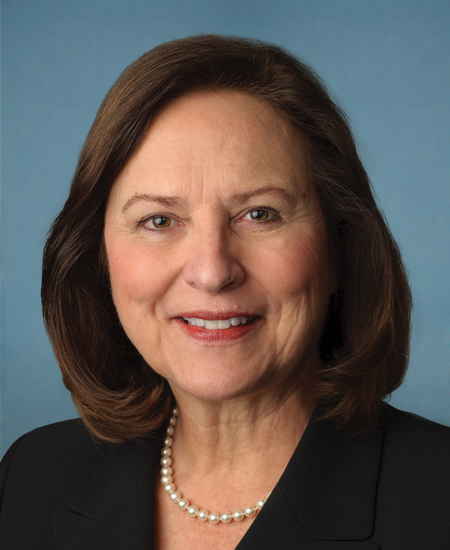
Fischer Questions Witness on Anti-Drug Trafficking Efforts
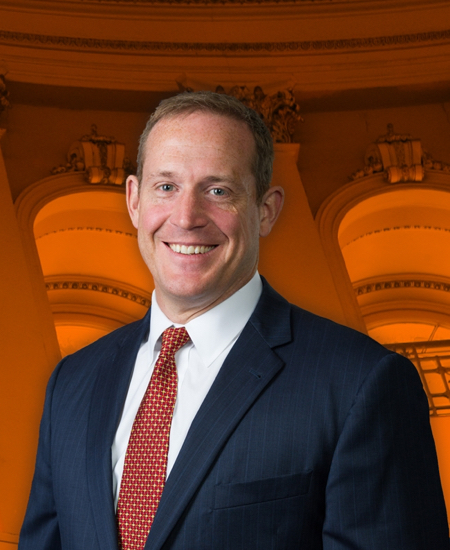
Yesterday, U.S. Senator Deb Fischer (R-Neb.), a member of the Senate Commerce Committee, questioned Director of the National High Intensity Drug Trafficking Area (HIDTA) program Shannon Kelly on the program to locate and intercept illegal drugs within the United States. She highlighted HIDTA’s successes in Nebraska, especially for the Panhandle’s Western Nebraska Intelligence and Narcotics Group (WING) Task Force.
During the hearing, Senator Fischer asked Ms. Kelly what future challenges she anticipates in achieving the program’s goals. She also asked about the benefits of a government-wide shared map to identify the reach of transnational drug trafficking organizations.
Click the image above to watch a video of Senator Fischer’s questioning
Click
here
to download audio
Click
here
to download video
Senator Fischer questions Shannon Kelly:
Senator Fischer:
Ms. Kelly, I think a key step in addressing the illicit drug threat is ensuring the existing programs within the government are working. As you know, the High Intensity Drug Trafficking Areas program, known as HIDTA, is a cornerstone of how we combat regional drug trafficking throughout the United States. And I have seen firsthand in my state of Nebraska, especially for law enforcement in rural areas with fewer local resources, how important this is. For example, HIDTA is the primary resource for the WING Task Force that covers 11 of our Panhandle counties. Through HIDTA, the task force has developed a uniquely cooperative investigative program, which is helping Western Nebraska law enforcement more actively manage narcotic and criminal investigations. In your view, how would you evaluate HIDTA's effectiveness nationwide?
Shannon Kelly:
Thank you so much, Senator Fischer, for your support and for the question. Nationwide, we're extremely proud of the work that HIDTA's been doing. One of the things that we often tout is that for every dollar invested in the HIDTA program, the rate of return is $63, which is a pretty phenomenal testament to the success of the program overall. In 2023, HIDTA has collectively disrupted or dismantled more than 3,000 drug trafficking organizations or money laundering organizations, and collectively they seized more than 2,000 metric tons of drugs, which I think also completes the narrative here. Often when we're talking about drug interdiction, we have a tendency to focus on the ports of entry and at the borders, which is critical to our overall success. But we often like to point to the work of the HIDTAs interdicting drugs within the interior of the United States. And I think the success rate there is phenomenal as well.
Senator Fischer:
What challenges do you see or that you possibly anticipate in the future in meeting your goals that you have out there?
Shannon Kelly:
Thank you, Senator, for asking that question. We do face a myriad of challenges. In some communities, the focus on drug trafficking is often subordinate to other threats, which is certainly a challenge in terms of making sure that there are state and local resources to put on HIDTA task forces. I would also say fatigue is a huge element for us, and I think it's why the focus on border security and interdiction at the ports of entry and at the borders is key because I think we're asking an awful lot of our state and local task force officers when they are being asked to interdict drugs that did evade the borders, and when they're being asked to investigate the types of networks that are directly linked to cartels. That's a huge challenge. It's a training challenge, and it's a resource challenge for all of our task forces.
Senator Fischer:
You know, you brought up the border, and obviously the southern border is a major disruption zone. In years past, we've struggled with all the different agencies out there using different intel, using different maps, whether it's DEA or FBI or CBP or the Department of Defense, as well. I think we have to have a shared map, government-wide shared map, to identify the threats that we have. In your testimony, you noted efforts by the Drug Enforcement Administration to map out this data comprehensively. Can you speak about that further please?
Shannon Kelly:
Thank you so much for that question, Senator Fischer. I agree. I think we all agree that a common operating picture is imperative, and a big challenge for us too is making sure that we are in a place where we can share information freely—from the fed, from the IC, all the way down to our state and local partners. This is where we really rely on the work of our federal agencies to be the bridge so that, as you say, the map, the common operating picture, can be not just conceived, but then communicated from top to bottom.
Senator Fischer:
And how do we achieve that?
Shannon Kelly:
How we achieve that is a work in progress. It is, I won't lie, it's a challenge. It's a challenge both in terms of the security levels, but it's also a challenge in terms of culture and promoting information sharing. We're talking about people who are accustomed to building trust with each other as people to share information, and sometimes, when we're working across communities like that, we have to figure out not just one bridge but multiple ways to bridge that gap.
Senator Fischer:
Thank you very much.
fc7405e5-660f-4754-9233-852eee5dee4aIssued within 24 hours
Other senators' releases published in the day before or after this one.