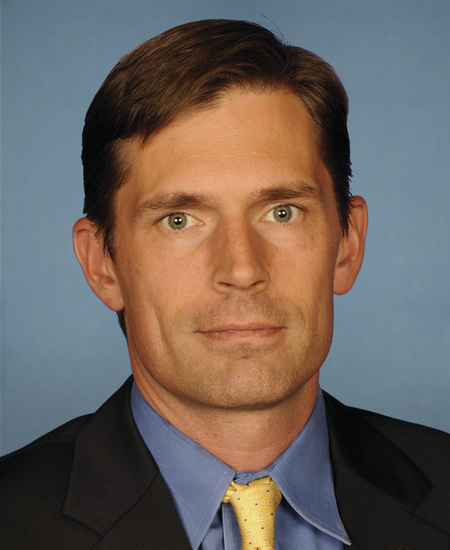
October 2nd, 2026Heinrich Unveils Landmark Bipartisan Legislation to Lower Costs, Create Jobs, and Force Data Centers to Fully Pay for Costs They Incur
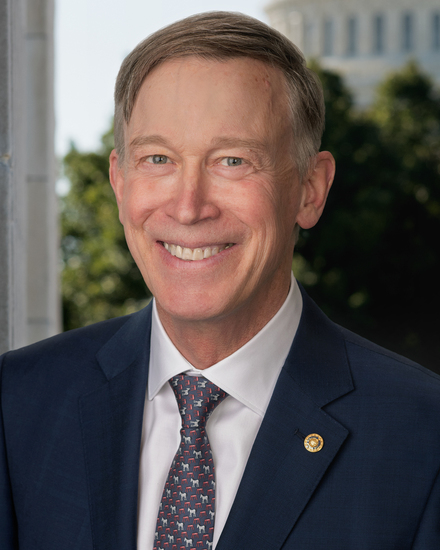
WASHINGTON — U.S. Senator Martin Heinrich (D-N.M.), Ranking Member of the U.S. Senate Energy and Natural Resources Committee, hosted a virtual press conference to unveil the landmark Bipartisan American Affordability and Jobs Act of 2026, major legislation that will reform and speed up the federal process for reviewing and approving energy projects to lower utility bills and create more jobs — while codifying Tribal consultation in statute, maintaining key environmental protections, and forcing AI data centers to fully pay for their grid upgrades, as well as their share of the existing grid, resulting in savings for families. VIDEO: U.S. Senator Martin Heinrich, Ranking Member of the U.S. Senate Energy and Natural Resources Committee, hosts a virtual press conference to unveil his Bipartisan American Affordability and Jobs Act, September 30, 2026. “For New Mexico, this deal could be transformational. New Mexico has proven itself to be a state full of opportunities to expand energy production and build big projects. SunZia is just one example – but it is not the only one. Other projects like Western Spirit, the Crossroads-Hobbs-Roadrunner Transmission Line, and the Atrisco Solar and Storage Project all show the opportunity New Mexico offers to support and expand our energy grid. New Mexico can export clean electrons and import greenbacks,” said Heinrich. “Beyond any one project, New Mexico has the skilled talent, the geography, and the resources to be a key part of our clean energy future. This deal means that we can do that, while protecting safeguards that are important to our Tribes, our public lands, our wildlife. And that includes funding a first-of-its-kind Abandoned Hardrock Mine Fund, which will help New Mexico clean up the tens of thousands of abandoned hardrock mines across our state.” “Negotiating this bill has not been easy. But after months of back-and-forth with my colleagues, I am proud to share this bipartisan permitting reform with the public and bring it to the Senate floor later in November for honest, good faith debates. America is defined by our resourcefulness, our skill, our determination – from the Hoover Dam to the Brooklyn Bridge to the SunZia transmission line. And my dad was just one part of that American story. I'm honored to be part of it today, as well. America needs to build big things again, and I'm confident that our Bipartisan American Affordability and Jobs Act can help us do just that,” Heinrich concluded. The full video of Heinrich’s press conference is here . The full text of Heinrich’s Bipartisan American Affordability and Jobs Act is here . Heinrich’s press release announcing the bill is here . A fact sheet on the bill is here and below: Bipartisan American Affordability and Jobs Act The Bipartisan American Affordability and Jobs Act will deliver cheaper energy, good-paying jobs, and responsible growth in New Mexico and nationwide, while protecting important environmental review and historic preservation processes. Cheaper Energy As demand increases, America needs more electricity, and we need it cheaper and faster. This deal will increase energy supply, expand the grid, and drive costs down for families and businesses. Builds more transmission, faster by strengthening the Federal Energy Regulatory Commission’s (FERC) “backstop” siting authority — giving the federal government more authority to approve major interstate power lines – and allowing transmission applications to be processed simultaneously with state reviews, helping needed projects move through permitting faster. Gets more energy onto the grid by : Requiring regional and interregional transmission planning that accounts for where new transmission is needed and plans ahead for future electricity demand, helping to get more electricity to the places that need it and putting downward pressure on electricity costs. Requiring grid-enhancing technologies and automated systems to speed up the process of connecting new energy projects to the grid and making better use of the grid we already have, increasing the supply available to consumers. Requiring wholesale electricity markets to allow distributed generation sources and virtual power plants to participate, helping meet growing demand with more available supply. Forces data centers pay their fair share by requiring data centers to pay for all of their associated transmission costs, rather than relying on a voluntary structure, preventing costs from being passed on to American families or small businesses. Good-Paying Jobs America has enormous energy and infrastructure needs, but we cannot create the jobs that come with building those projects if projects spend decades stuck in the permitting process. Creates jobs across the energy supply chain by boosting the build out of more transmission, clean energy, supply manufacturing, and other grid infrastructure. Creates greater certainty for projects permitted and financed across presidential administrations by prohibiting any administration from delaying or blocking permitting of a class of energy projects – meaning no administration can block all solar, wind, or other class of energy project permits without facing legal action and fines. Responsible Growth Getting to a “yes” or “no” on permitting faster does not mean eliminating environmental protections, Tribal consultation, or the ability to challenge projects in court. This deal keeps important safeguards in place, while creating clear timelines and rules for permitting projects. Sets clear deadlines for environmental reviews — including a two-year deadline for Environmental Impact Statement (EIS) reviews and a one-year deadline for Environmental Assessment reviews, with consequences for agencies that miss those deadlines. That means environmental reviews still happen, but not indefinitely. Establishes a new National Historic Preservation Act (NHPA) consultation process that runs alongside National Environmental Policy Act (NEPA) reviews with a defined time limit, securing a statutory role for Tribes in determining how projects affect historic and cultural resources and protecting Tribes’ rights to formally consult during the processes — two things the Section 106 reforms attempted to eliminate. Limits the types of impacts that projects are required to mitigate , creating clearer boundaries around which effects a project must mitigate or minimize. Sets clear limitations on when and how a project may be legally challenged. Sets a 150-day deadline for legal challenges under the Clean Water Act (CWA), Endangered Species Act (ESA), NEPA, and NHPA. Generally limits who can bring a legal challenge to people or groups that participated in the relevant comment period or Tribal consultation process. Limits when a court can temporarily stop a project from moving forward, while preserving the existing ability to seek that relief under the Administrative Procedures Act. Allows states to handle endangered species consultations if they have demonstrated staffing, expertise, and resource capacity to do so. Clarifies the limits on state water-quality reviews (under Section 401 of the Clean Water Act) by limiting state certifications to water pollution directly caused by a specific source for gas pipelines and transmission lines and prohibiting use of the process to address unrelated issues. Prevents the federal government from changing the rules after the fact for certain wetlands and waterways by stopping the Environmental Protection Agency (EPA) from preemptively or retroactively removing areas of land from the federal water-quality certification process. ###
3e619939-b0ad-4c46-b009-be71a8b6230aIssued within 24 hours
Other senators' releases published in the day before or after this one.