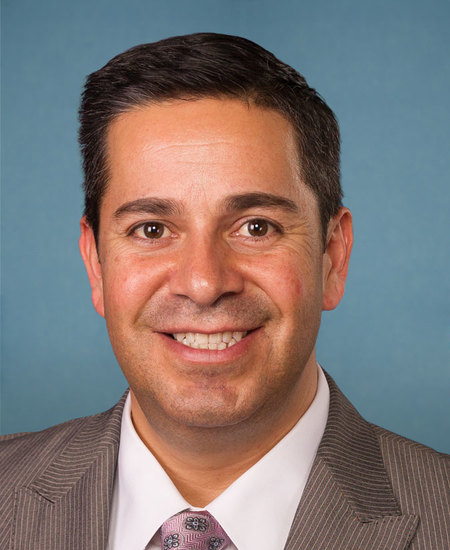
Luján Introduces Legislation to Expand Access to Arts Education
Washington, D.C. – U.S. Senator Ben Ray Luján (D-N.M.) introduced the Arts Education for All Act, legislation to expand access to arts education and programming for young learners across the country. The legislation is cosponsored by U.S. Senator Mazie Hirono (D-Hawaii) and U.S. Representative Suzanne Bonamici (D-Ore.) leads the legislation in the House of Representatives. The Arts Education for All Act would support and expand arts education and programming for early learners, K-12 students, and youth and adults involved in the justice system. The legislation would also strengthen research into arts education to help educators and policymakers better understand how the arts can support students and improve elementary and secondary education. “Arts education gives students the opportunity to learn, express themselves, and discover new talents, but too many young people lack access to these opportunities,” said Senator Luján . “All students, no matter where they live or their background, deserve the opportunity to experience the arts. That’s why I’m introducing the Arts Education for All Act to expand access to arts programming and help ensure that the arts remain an important part of educating and supporting the next generation.” “Arts and creative expression are fundamental to a well-rounded education,” said Senator Hirono . “Art education programs provide our students with the unique opportunity to express themselves and exposes them to diverse array of topics and disciplines. But these programs are often the first to be cut and the last to be funded, and its high time for a fundamental shift in the way we value those courses. I’m proud to sponsor the Arts Education for All Act to expand arts programing to make art more accessible to students across the country.” Specifically, the Arts Education for All Act would: Strengthen the ability to use Child Care and Development Block Grant funding for arts programming; Expand Elementary and Secondary Education Act (ESEA) plan provisions to include descriptions of how states would support and encourage arts education staff, instruction, and partnerships to improve student achievement across subjects; Require state report cards under the Every Student Succeeds Act (ESSA) to include information on arts courses and incorporate arts education as an element of K-12 school improvement; Increase opportunities for local educational agencies to support professional development for arts teachers and the integration of the arts; Strengthen the integration of arts and arts education through the 21st Century Community Learning Centers program by maximizing partnerships with community and arts-focused organizations to increase arts education and creative youth development in after-school and summer learning programs; Allow states to document how they will coordinate juvenile justice and delinquency prevention services and activities with state and local arts agencies and organizations, using arts education to improve reentry efforts and reduce recidivism; Enhance research activities at the Institute of Education Sciences through a focus on arts and arts education research; and Direct the National Assessment Governing Board to reinstate arts assessments. The Arts Education for All Act has been endorsed by 132 national, state, and local organizations and individuals, including Americans for the Arts, the American Art Therapy Association, Carnegie Center for Literacy & Learning, Grantmakers in the Arts, and the National Association for Music Education (NAfME). Full list of endorsements can be found here . Supporting quotes can be found here . Full bill text is available here . ###
45403021-67db-4d41-bdb8-891f2652cdb4Issued within 24 hours
Other senators' releases published in the day before or after this one.