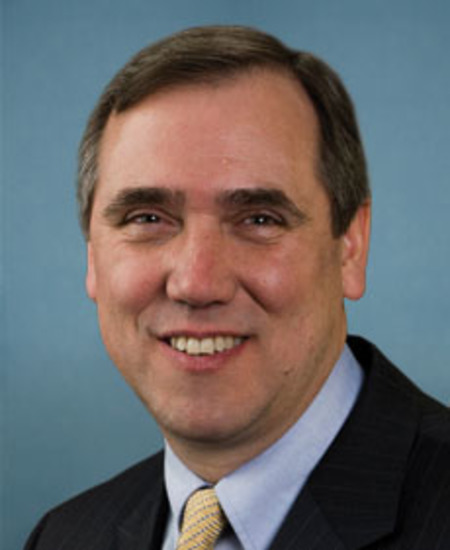
Merkley, Senators: EPA Must Address Microplastic Pollution to Protect Human Health
Merkley, Senators: EPA Must Address Microplastic Pollution to Protect Human Health May 21, 2026 Washington, D.C. – Oregon’s U.S. Senator Jeff Merkley today led his Senate colleagues—including Senators Sheldon Whitehouse (D-RI), Cory Booker (D-NJ), Alex Padilla (D-CA), Kirsten Gillibrand (D-NY), Richard Blumenthal (D-CT), Peter Welch (D-VT), and Ron Wyden (D-OR)—in urging the Environmental Protection Agency (EPA) to use its existing authorities to address the full lifecycle of plastic pollution. The Senators wrote to EPA Administrator Lee Zeldin, “The Make America Healthy Again (MAHA) Commission’s May 2025 report included an article highlighting the concentration of microplastics found in Americans’ brain tissue increased by 50% between 2016-2024 in addition to other studies that found exposure to chemicals in plastics, including endocrine-disruptors, may be causing a series of health issues for the American public. As you develop the EPA’s MAHA strategy, we strongly encourage you to consider further actions within EPA’s statutory authorities to reduce human exposure to microplastics and nanoplastics (MNPs).” The Senators’ letter follows the EPA’s announcement that it was looking to address microplastics in our environment . At a hearing earlier this month reviewing the Fiscal Year 2027 budget request for the EPA, Merkley—the lead Democrat on the Senate Appropriations subcommittee overseeing funding for the EPA— questioned EPA Administrator Zeldin about his plans to address plastics-related health issues . Merkley has been a longtime leader on Capitol Hill advocating for tackling the plastic pollution crisis across its entire life cycle. As former Chair of the Senate Environment and Public Works (EPW) subcommittee overseeing environmental justice, chemical safety, and waste management, he held a first-of-its-kind series of hearings investigating plastic production and pollution. His hearings examined: environmental and climate damage from plastics , impacts of plastics on environmental justice communities , reuse and refill systems , beverage container waste , and consumer challenges to recycling . Merkley also leads the Break Free from Plastic Pollution Act —the most comprehensive plan ever introduced in Congress to address the harms of plastic pollution on our air, water, and soil—and two bipartisan plastics-related pieces of legislation: the Microplastics Safety Act and REUSE Act . Full text of the letter can be found by clicking here and follows below: Dear Administrator Zeldin, On April 1, 2026, the Environmental Protection Agency (EPA) took a positive first step to begin the process of considering the addition of microplastics to its sixth Contaminant Candidate List (CCL). We are encouraged by this action and urge EPA to robustly evaluate microplastics in its consideration of any new regulations under the Safe Drinking Water Act (SDWA). However, in order to best address the human health concerns of microplastics, we encourage EPA to use its existing authorities to address the full lifecycle of plastic pollution. With compounding health concerns around microplastics in our environment, now is the time for your agency to make meaningful changes to protect American citizens. The Make America Healthy Again (MAHA) Commission’s May 2025 report included an article highlighting the concentration of microplastics found in Americans’ brain tissue increased by 50% between 2016-2024 in addition to other studies that found exposure to chemicals in plastics, including endocrine-disruptors, may be causing a series of health issues for the American public . As you develop the EPA’s MAHA strategy, we strongly encourage you to consider further actions within EPA’s statutory authorities to reduce human exposure to microplastics and nanoplastics (MNPs). EPA has been tasked with protecting human and environmental health, and has the authority to take the below actions: Add micro- and nanoplastics (MNPs) to the Unregulated Contaminant Monitoring Rule (UCMR) to require public water systems to collect data on microplastics, as called for by seven governors to date. Require an independent scientific body within EPA to understand and establish a baseline of the unique public health and environmental impacts of environmental contaminants, including MNPs; Review permits for existing or proposed expansions of petrochemical facilities for harmful emissions or discharges from the production of plastics under relevant regulatory frameworks including the Clean Air Act and Clean Water Act. We further encourage EPA to increase its enforcement actions for petrochemical facilities that are not currently complying with the law; Prioritize reducing the public health harms of MNPs by prioritizing harmful additives or ingredients in plastic materials for review under the Toxic Substances Control Act; To the extent existing waste management grant programs are funded, EPA should support the robust implementation of programs authorized under the
800f6717-6be1-4ece-9233-1ec23c03703bIssued within 24 hours
Other senators' releases published in the day before or after this one.