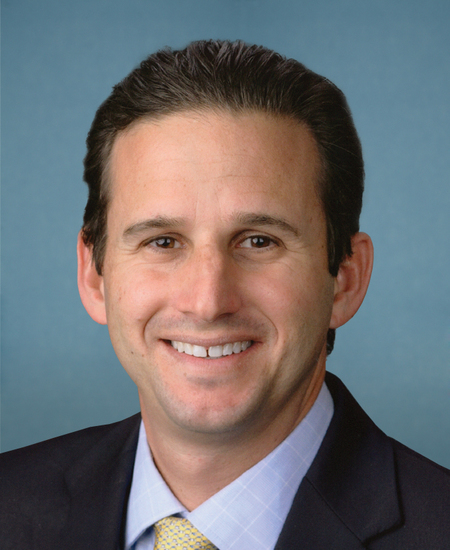
Murphy Stands With Athletes, Labor, and Civil Rights Leaders to Rally Against the So-Called Protect College Sports Act
WASHINGTON, D.C. – As the Senate begins considering the so-called Protect College Sports Act (PCSA), U.S. Senator Chris Murphy (D-Conn.) joined college athletes, their families, labor advocates, and civil rights leaders to speak out against the legislation. Murphy pushed back against the manufactured “crisis” framing offered by the PCSA’s supporters, highlighting record revenues. Murphy argued the PCSA will give the NCAA legal cover to abuse athletes’ rights and re-institute a system of collusion and exploitation in college athletics. Murphy offered a topline of the bill: “What this bill does at its core is to protect a system of exploitation. This bill protects the billions of dollars that coaches and sports industry executives are making over the suppression of compensation for some of the most highly valued athletes in the world. This bill seeks to give an unprecedented antitrust exemption to an industry that is violating the law every single day.” Murphy highlighted the NCAA’s long history of violating athletes’ rights: “Let's just be clear about why we are here. Over and over again, courts have determined that colleges and the NCAA and conferences are violating the law. In a nine-zero Supreme Court decision authored by conservative Justice Brett Kavanaugh, the Supreme Court said that this system of exploitation, in which wages and compensation are illegally suppressed, in which profits are being put ahead of athlete safety, is illegal and cannot stand according to the existing law.” Murphy called out the NCAA for conspiring to take away athletes’ rightfully earned compensation: “ Instead of fixing the problem, instead, the college sports industry has come to Congress and is asking Congress to make their illegal behavior all of a sudden magically legal through an antitrust exemption. What we're being asked to do is to basically allow colleges and conferences and the NCAA to illegally collude so that they can continue to reap the benefits of a $14 billion industry in which almost all of the money goes to the owners, and very little of it goes to the actual actors who are putting the product on the playing field.” Murphy addressed the PCSA’s supporters head-on: “Some of the proponents say, well, there's runaway spending in college athletics. We can't afford it. Well, this bill doesn't stop billionaires from spending money on athletic facilities. This money doesn't stop billionaires from directly subsidizing the salaries of coaches. No, the only thing this bill does is to limit the relatively small slice of money in the system that goes to athletes. It does nothing to stop the runaway coaches salaries, the runaway spending in facilities, the runaway spending in advertising and in TV contracts.” Murphy debunked the “crisis” talking points parroted by the NCAA’s boosters and corporate executives: “I hear my colleagues talk about the crisis that exists, the chaos that exists in college athletics today… There's no sign that college athletics is in some broader state of crisis. The TV deals are bigger than ever before. The number of people turning out for men's football games and women's volleyball games are larger than any time before in history. There's more fan interest, frankly, now that students are empowered than there was back in the day when students were completely indentured to programs.” Sen. Murphy has been a leading voice of opposition to the so-called Protect College Sports Act. Murphy has worked with athletes, labor advocates, and civil rights groups to rally against the passage of the Protect College Sports Act, as well as advocate for his College Athlete Right to Organize Act. A full video of Murphy’s remarks is available here . A full transcript of Murphy’s remarks is available below. Thanks to AFL-CIO, NAACP, and many of your partners for convening this call today. You've got some really powerful voices assembled here so I'm going to be very, very brief. What this bill does at its core is to protect a system of exploitation. This bill protects the billions of dollars that coaches and sports industry executives are making over the suppression of compensation for some of the most highly valued athletes in the world.This bill seeks to give an unprecedented antitrust exemption to an industry that is violating the law every single day. Let's just be clear about why we are here. Over and over again, courts have determined that colleges and the NCAA and conferences are violating the law. In a nine-zero Supreme Court decision authored by Conservative Justice Brett Kavanaugh, the Supreme Court said that this system of exploitation, in which wages and compensation are illegally suppressed, in which profits are being put ahead of athlete safety, is illegal and cannot stand according to the existing law. Instead of fixing those problems, instead of putting athletes safety first, instead of sitting down with the athletes and working out a proper, just system of compensation (and by the way, there's plenty of money to go around in a $14 billion industry), instead of fixing the problem, instead, the college sports industry has come to Congress and is asking Congress to make their illegal behavior all of a sudden magically legal through an antitrust exemption. What we're being asked to do is to basically allow colleges and conferences and the NCAA to illegally collude so that they can continue to reap the benefits of a $14 billion industry in which almost all of the money goes to the owners, and very little of it goes to the actual actors who are putting the product on the playing field. Just a few quick points. I hear my colleagues talk about the crisis that exists, the chaos that exists in college athletics today. Yes, things are different today, but the crisis and the chaos is really one that primarily impacts the coaches and the colleges who all of a sudden have to work a little bit harder to be able to keep athletes who are no longer indentured to the programs that they are working for. There's no sign that college athletics is in some broader state of crisis. The TV deals are bigger than ever before. The number of people turning out for men's football games and women's volleyball games are larger than any time before in history. There's more fan interest, frankly, now that students are empowered than there was back in the day when students were completely indentured to programs. Second, this is a bill that essentially ensconces a system of exploitation, and it doesn't fix the broader problems. Some of the proponents say, well, there's runaway spending in college athletics. We can't afford it. Well, this bill doesn't stop billionaires from spending money on athletic facilities. This money doesn't stop billionaires from directly subsidizing the salaries of coaches. No. The only thing this bill does is to limit the relatively small slice of money in the system that goes to athletes. It does nothing to stop the runaway coaches salaries, the runaway spending in facilities, the runaway spending in advertising and in TV contracts. So let's be clear this bill is really only about solving one problem. It's a fake problem. The problem of athlete empowerment that has annoyed coaches but has not created a fundamental crisis in broader college athletics. The final thing to say, before I turn it over to Derrick Johnson, the head of the NAACP, is that we should recognize this as a civil rights issue. And I know that it is sometimes uncomfortable for us to talk in these terms, but let's not mince words. Many of the most valuable athletes, those who would command in a real market the highest salaries are black. And almost all of the people who are protecting the billions that are being made by the industry are white. And so this is an effort to protect a system of exploitation, this is a civil rights issue, and we are going to do everything in our power–those of us who oppose this in the United States Senate–to ask our colleagues to step back, to oppose moving forward, moving this bill forward in the United States Senate, to take another shot at a piece of legislation that, you know, frankly, could institute some reforms, but that would not preserve this system of exploitation that has and will continue to damage the safety and the health of our athletes all across the country. So, really appreciate folks pulling this together. My office will keep folks updated as this potentially moves on to the Senate floor. We're going to need very, very strong voices, especially from students, to make clear what the stakes are. Really glad to be joined on this call by one of the strongest voices opposing this piece of legislation from the NAACP.
88df1253-2c5f-4d40-ab8c-6427baa86488Issued within 24 hours
Other senators' releases published in the day before or after this one.