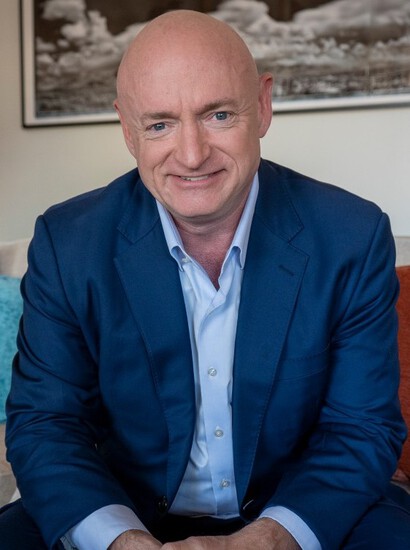
WATCH: In SASC Hearing, Kelly Presses Pentagon on Using Outdated Chips in U.S. Weapons Systems
“Some
of our most advanced weapon systems are relying on chips that are old, sometimes outdated and sometimes decades behind the
state-of-the-art
technology.”
This week, during a
Senate Armed Services Committee
hearing on our nation’s supply chains of critical minerals and semiconductor chips, Arizona Senator and Navy combat veteran Mark Kelly questioned Department of Defense officials about the continued use of outdated semiconductor technology in major U.S. weapons systems. Kelly raised concerns that the slow transition to newer, more secure fabrication facilities is preventing the military from accessing the most advanced chips available, potentially undermining national security.
Kelly emphasized that the
government
is falling behind as
semiconductor
chip technology moves faster than the Pentagon can keep up:
“The DoD’s procurement programs do not
operate
at the same kind of speed.
The end result
is some of our most advanced weapon systems are relying on chips that are old, sometimes outdated and sometimes decades behind the
state-of-the-art
technology.
Historically, DoD has relied on a small number of trusted foundries.”
Kelly
also
highlighted that while
he has led
Congress
in funding
programs to provide secure, cutting-edge chip production, many
weapons
programs continue to rely on older foundries:
“We’ve worked on this committee for years to try to solve this issue by
placing production lines that meet DoD’s security requirements in commercial fab facilities so DoD can get those leading chips without compromising in any security in these programs. There’s a couple of them. One is the Secure Enclave. The other is the Microelectronics Commons. And these programs,
they’ve
been stood up and
they’re
fully funded and
they’re
getting ready to produce some chips.
There’s
just one problem here: major DoD programs are still choosing to have the old, outdated foundries produce the chips, not the new ones.”
Kelly secured a commitment from Assistant Secretary Michael P. Cadenazzi to work with the Committee on policy changes to help accelerate the transition of legacy systems to the newer, more secure semiconductor infrastructure Congress has already funded.
Sen. Kelly questions Assistant Secretary Michael P.
Cadenazzi
during a SASC hearing.
Click
here
to download a video of Kelly’s remarks. See the transcript below:
Sen.
Kelly:
Thank you, Mr.
Chairman. Mr.
Cadenazzi, did
I get that right?
Assistant Secretary Michael P.
Cadenazzi:
Yes, senator.
Sen. Kelly:
And Mr. Frankston. Thank you both for being here. I want to ask you about how we supply semiconductors to the defense industrial base. As you both know, semiconductors go in a lot of stuff used by our military and semiconductor technology advances rapidly. Moore’s law says processing power doubles every 18
months. The
DoD’s
procurement programs do not
operate
at the same kind of speed.
The end result
is some of our most advanced weapon systems are relying on chips that are old, sometimes outdated and sometimes decades behind the
state-of-the-art
technology.
Historically, DoD has relied on a small number of trusted foundries, which are
fabs
that not only serve,
they
serve government customers.
So,
would you both agree that this approach has not succeeded at protecting
DoD’s
access to the best chips in the world for its most important programs?
Assistant Secretary Michael P.
Cadenazzi:
Senator,
we’ve
perennially underinvested in the technology and the engineering necessary to migrate our systems to go ahead and
leverage
the most current
state of the art
chips. And as a result, we do have a legacy infrastructure
which produces
a large number of
the chips that meet our needs, which are
essentially based
upon older technology.
So,
concur
entirely.
Sen. Kelly:
So
it sounds like an area where we could put some focus on and try to fix.
Cadenazzi:
Absolutely, Senator, it is a challenge.
Sen. Kelly:
So,
we’ve
worked on this committee for years to try to solve this issue by, placing production lines that meet DoD’s
security requirements in commercial
fab
facilities so DoD can get those leading chips without compromising in any security in these programs. There’s a couple of them. One is the Secure Enclave. The other is the Microelectronics Commons.
And these programs,
they’ve
been stood up and
they’re
fully funded and
they’re
getting ready to produce some chips.There’s
just one problem here:
major DoD programs are still choosing to have the old, outdated foundries produce the chips, not the new ones.
So,
would you both agree that there are meaningful strategic advantages to sourcing leading edge chips for our major programs?
Cadenazzi:
Senator, I concur in the need for us to go out and continuously improve the security of our chip infrastructure and the chips themselves, and that the tools that are in place under a secure enclave, etc.,
provide
us new alternatives to deliver upon that.
Sen. Kelly:
Why haven’t we use those alternatives?
Cadenazzi:
So,
there’s price considerations and engineering considerations with migrating from the current chip infrastructure to new chips and new security models.
And I think inherently it’s a cost issue that programs have been incentivized to sort ofgo short shrift on this and not pay the bill, and that we need to incentivize them to pivot to actually investing in the infrastructure changes necessary to take full advantage of this for the future.
Sen. Kelly:
Could you give it a can you give an example of how much how much more
does a chip coming
out of the Secure Enclave cost for like a weapon system,
percentage wise?
Cadenazzi:
Senator,
I’m
not sure I can comment thoughtfully on the cost so we can get back to you on that. I think
there’s
a bigger issue of the certification cost for these new systems. When you change the chips, you often
have to
requalify systems in their performance. It becomes a cost driver for tests,
for engineering.
There’s
a whole bunch of ancillary pieces that go into it. And the bill gets
pretty large,
millions of dollars into the tens of millions of dollars,
to go ahead and make these changes, unfortunately.
Sen. Kelly:
How about for new weapon systems, something
that’s
brand new?
Cadenazzi:
The challenge you had is that often the firms that deliver
these weapons
systems are incentivized for ease of access and approval to
leverage
infrastructure that’s already approved and tools that are already approved.
So therefore, to go ahead and launch a new weapons platform with a
brand-new
security or, or I.T infrastructure, whatever that might be, or microelectronics infrastructure, is often cost prohibitive and not incentivized by the programs themselves.
Sen, Kelly:
But we but we funded the Secure
Enclave and the
Microelectronics
Commons. Are they not approved?
Cadenazzi:
Senator,
I believe that they
are, and that
we’re
in the process of migrating
to that those requirements over the next five years or so.
However, I do think
there’s
going to be a bit of a tail and a lag and particularly a bill associated with how we make that migration work.
Sen. Kelly:
What we could what could we do to make that migration happen more
quickly?
Cadenazzi:
Senator,
I think
we’d
be keen to work with you in the Committee on, authorities and changes to policy that would help us drive those changes and an understanding of the costs associated with that, to make it work going forward.
Sen. Kelly:
All right. Thank
you.
897b141d-7029-4a29-bd58-3954db5b7981Issued within 24 hours
Other senators' releases published in the day before or after this one.