Senate Advances Bill to End Schumer Shutdown
Bolsters National Security, Supports Veterans, Farmers, and Ranchers
***Clickhereto download audio.***
WASHINGTON, D.C. – After 41 days of gridlock, the United States Senate voted 60 to 40 to end the longest government shutdown in U.S. history and extend current funding through the end of January 2026. The measure advanced after eight Senate Democrats voted alongside Republicans to move the package forward, which includes three Fiscal Year (FY) 2026 appropriations bills supporting military construction, veterans’ affairs, agriculture, rural development, food safety, technology infrastructure, and national security programs.
In addition to reopening the government, the appropriations package secures funding to support our nation’s farmers and ranchers, fully funds veterans medical care, invests in rural infrastructure, housing, and business development, and supports approximately 300 military construction projects across the nation. Among other provisions, it prohibits the U.S. Department of Veterans Affairs (VA) from purchasing technology equipment manufactured by specific Chinese companies subject to influence by the Chinese Communist Party and protects American farmland from being purchased by foreign adversaries.
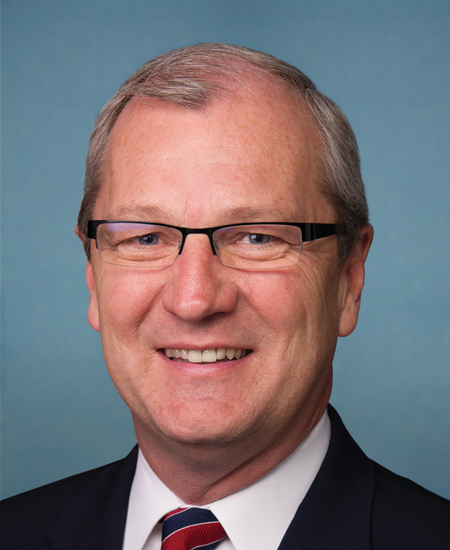
The bill now heads to the House of Representatives for consideration. U.S. Senator Kevin Cramer (R-ND) issued the following statement, touting the wins included in this funding package:
“The passage of this package is big, it’s a win for our veterans, law enforcement officers, farmers, ranchers, and manufacturers, as well as every American across the nation. It’s really important because not only does it reopen the government, which is the fundamental point, but it pays the people who’ve earned their pay and it keeps vital programs running, all while delivering some key wins for North Dakota which afterall is my first priority. It provides funding for the Jamestown Armory and ensures North Dakota is not neglected when we pursue certain suicide prevention grants for veterans. The bill supports North Dakota’s farmers and ranchers through programmatic funding increases by prohibiting the closure of FSA county offices, which we know are critical to servicing our farmers and ranchers every day. This vote really reflects the Senate’s commitment to those who serve, those who produce, and keep our nation strong. I hope the House will act swiftly to get this across the finish line and reopen the government by mid-week.”
Military Construction, Veterans Affairs:
The Military Construction, VA, and Related Agencies Appropriations bill for FY26 secures approximately$1.5 millionto design an armory for the North Dakota Army National Guard in Jamestown. It also provides$702.8 millionfor the Supportive Services for Veterans Families (SSVF) program, which serves every county in North Dakota through the Williston, Minot, Devils Lake, Grand Forks, Fargo, Jamestown, Bismarck, and Dickinson regional Community Action Agencies.
As a member of the Senate Veterans Affairs Committee, Cramer has fought to ensure veterans receive timely access to high quality mental health care, no matter where they live. In April, Cramer and U.S. Senator Chris Coons (D-DE)introducedthe bipartisanEvery State Counts for Veterans Mental Health Actto provide priority consideration ofSSG Fox SPGPapplications to entities in states, like North Dakota, which have not previously received a grant. TheCR reflects Cramer’s work to ensure North Dakota veterans receive suicide prevention support if they need it by extending SSG Fox SPGP through Sept. 30.
It provides support for housing, infrastructure, and facilities for U.S. military forces and their families, as well as increased funding for veterans’ health care and mandatory benefits such as disability compensation programs, education benefits, and vocational rehabilitation and employment training, and more.
The bill includes a provision prohibiting the VA from purchasing technology equipment from any Chinese manufacturer on a list maintained by the U.S. Department of War (DOW), the U.S. Department of Treasury, the U.S. Department of Commerce, or the U.S. Department of Homeland Security. It also provides funding for the DOW military construction program, which supports roughly 300 projects at military installations within the U.S. and around the world; construction and modernization of military infrastructure critical to warfighter readiness; support the integration and deployment of new and emerging technologies.
Agriculture, Rural Development, Food and Drug Administration:
The Agriculture, Rural Development, Food and Drug Administration (FDA), and Related Agencies Appropriations bill for FY26 secures food supply chains, provides funding for programs to support producers and rural communities, facilitates agricultural research, and offers nutritional and housing assistance for low-income families.
Specifically, the legislation allocates$10 billionfor farm loans, provides$1.4 billionfor the Farm Service Agency (FSA), and prohibits closures of FSA county offices. It funds essential programs producers rely on to protect crops and livestock from diseases and pests, facilitates domestic and international marketing of agricultural products, and supports frontline personnel for state meat and poultry inspection programs. Notably, it also provides resources to help rancherscomplywith electronic identification (EID) tag requirements.
To support rural communities, this bill provides$4.1 billionfor rural development programs,$1.7 billionfor rental assistance,$26 billionfor housing loans,$1.4 billionfor water and waste grants and loans, and$1.8 billionto support rural business and industry programs. It also delivers$109 millionfor rural broadband grants and loans aimed at the nation’s most hard-to-reach areas.
It includes$3.8 billionfor agricultural research programs, securing U.S. dominance in agricultural innovation. The Agricultural Research Service, National Institute of Food and Agriculture, and the Agriculture and Food Research Initiative ensure American farmers and ranchers can harness cutting-edge technologies while supporting innovation and agriculture production. To build on the Trump administration’sNational Farm Security Action Plan, the bill supports efforts to protect the U.S. agricultural economy and maintain U.S. global leadership in animal health, biodefense, and biosecurity.
Further, the legislation maintains the Secretary of Agriculture’s position on the Committee on Foreign Investment in the United States (CFIUS) to protect food supply chains from adversaries. It also provides funding increases for the Food Safety and Inspection Service and the FDA’s state inspection programs to improve food safety systems and prevents the unregulated sale of intoxicating hemp-based or hemp-derived products, including Delta-8, from being sold online, in gas stations, and corner stores, while preserving non-intoxicating CBD and industrial hemp products.
The legislation funds food assistance programs for seniors, mothers, and children through the Commodity Supplemental Food Program and the Special Supplemental Nutrition Program for Women, Infants, and Children.
Legislative Branch:
The measure provides$852 millionfor the U.S. Capitol Police with authority to reimburse up to$30 millionfor mutual-aid support. It includes roughly$812 millionfor the Architect of the Capitol for the maintenance, preservation, and physical security requirements of the Capitol complex. The Library of Congress receives$852.2 million, including$136 millionfor the Congressional Research Service.
Tags:Defense & Foreign Policy,Agriculture and Trade
91a6793f-bfbe-451b-bea6-24346397e963Issued within 24 hours
Other senators' releases published in the day before or after this one.