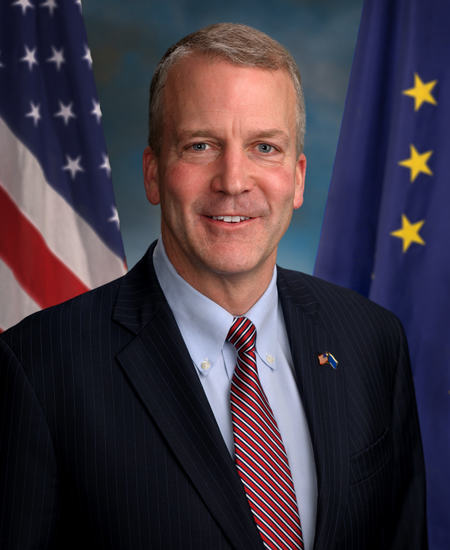
Warner Urges Military Spouse Commission to Hear Directly From Virginia Military Families
WASHINGTON – U.S. Sen. Mark R. Warner (D-VA) urged the newly formed Department of Defense Military Spouse Commission to expand its outreach to military families across Virginia, particularly spouses who have recently navigated the challenges of extended deployments and spouses of junior enlisted servicemembers. In a letter to the Commission’s leadership, Sen. Warner emphasized the importance of providing venues and opportunities to hear directly from military spouses with a broad range of experiences to ensure their concerns and recommendations are reflected in the Commission’s work. Sen. Warner called for opportunities for Virginia military spouses to provide input directly to the Commission, including through local engagement in the Commonwealth. In June, Sen. Warner met with military families in Hampton Roads, including spouses of servicemembers who were deployed or had recently returned from deployment, to hear firsthand about the challenges they face. Families described the strain of extended deployments and the difficulties of finding affordable child care, navigating military benefits, accessing timely health care and mental health support, and working with employers on needed support and flexibility during deployment periods, all while managing the stress of a loved one serving in dangerous conditions. These concerns mirror several of the priorities identified by the Commission during its inaugural meeting last month. This Friday, Sen. Warner will host a follow-up roundtable with military families in Hampton Roads to continue these conversations, discuss progress on the concerns raised earlier this year, and identify additional steps to better support servicemembers and their loved ones. In a letter to Commission Chairwoman Jennifer Hegseth and Executive Director Desiree Thompson Sayle, Sen. Warner emphasized the need to ensure military spouses have meaningful opportunities to share their experiences and help shape the Commission’s recommendations. Sen. Warner wrote, “I share the goal of ensuring that we as a nation are supporting the spouses and families who are standing alongside our men and women in uniform. I would urge the Commission to expand opportunities for military spouses to engage your efforts, and to draw from a broad range of perspectives and experiences. Virginia spouses who I have spoken with would add valuable insights to the Commission’s work, and I would invite you to hear from Virginia spouses – including through direct and local engagement.” Sen. Warner continued, “As the Commission undertakes its mission, I would invite you to engage directly with military spouses in Virginia to ensure their experiences and recommendations are reflected in your work. Ensuring that the Commission is hearing direct feedback and perspectives from a range of spouses – including of junior enlisted personnel – is critically important. I would also urge you to provide opportunities for individuals to engage the Commission directly, in addition to their current ability to submit comments ahead of the Commission’s meetings. Home to some of the nation’s largest military communities, Virginia has a significant stake in the work that you all will conduct, and Virginia spouses have valuable insights that can drive your actions.” The letter concludes by requesting additional information about how the Commission plans to gather input from military spouses of different backgrounds, provide opportunities for direct engagement, incorporate feedback into its recommendations, and work with military and veteran advocacy groups. The full letter is available here and below. Mrs. Hegseth and Hon. Sayle: One of the privileges and responsibilities that comes from serving as Senator from Virginia, is the opportunity to represent Virginia’s many servicemembers, military spouses, and their families. I write today regarding your efforts on the newly created Military Spouse Commission, which represents an important venue for considering the perspectives of our military families. This is a worthwhile and meaningful endeavor, and I appreciate your commitment to addressing the challenges that military spouses face. I share the goal of ensuring that we as a nation are supporting the spouses and families who are standing alongside our men and women in uniform. I would urge the Commission to expand opportunities for military spouses to engage your efforts, and to draw from a broad range of perspectives and experiences. Virginia spouses who I have spoken with would add valuable insights to the Commission’s work, and I would invite you to hear from Virginia spouses – including through direct and local engagement. Over the Commission’s first two engagements, you identified priorities of particular concern including housing, education, healthcare, spousal employment, and childcare. These are indeed concerns I hear about in my conversations with Virginia’s military spouses, and I am encouraged by your attention to these important issues. In June, I met with military family members in Hampton Roads and heard about many of these same challenges. Many of the family members had a spouse who was deployed or had just returned from deployment – including as part of the USS Gerald R. Ford carrier strike group, and its 11-month deployment. You and the other military spouses who make up the Commission can uniquely understand how these everyday challenges are compounded during a deployment – particularly some of the extended deployments that we have seen in recent months. Military service is shouldered by the entire family, with partners and spouses, kids, parents, and other family members working to balance the challenges that exist at home while a loved one is deployed. Everything from finding quality, affordable childcare; navigating the web of military benefits and support programs; securing timely healthcare and mental health support; and working with employers on needed support and flexibility during these periods, all become more challenging while managing the stress of a loved one serving in dangerous conditions. As the Commission undertakes its mission, I would invite you to engage directly with military spouses in Virginia to ensure their experiences and recommendations are reflected in your work. Ensuring that the Commission is hearing direct feedback and perspectives from a range of spouses – including of junior enlisted personnel – is critically important. I would also urge you to provide opportunities for individuals to engage the Commission directly, in addition to their current ability to submit comments ahead of the Commission’s meetings. Home to some of the nation’s largest military communities, Virginia has a significant stake in the work that you all will conduct, and Virginia spouses have valuable insights that can drive your actions. To better understand how the Commission intends to operate, and to work together to involve more military spouse voices in this process, I would appreciate the opportunity for engagement with you and your team on the following matters: How will you ensure that the Commission receives input from military spouses representing a broad range of backgrounds and experiences, including spouses of servicemembers of different ranks, Reserve and National Guard families, military caregivers, dual-military couples, and surviving spouses? Section 2(c) xxi of the President’s Executive Order establishing the Commission provides the Chair and Executive Director the authority to invite other individuals to participate with the Commission. In addition to submitting comments electronically, will there be avenues and opportunities for military spouses to engage directly, to include inviting spouses to attend Commission meetings, hosting in-person listening sessions and field hearings, and meetings at military installations? How will feedback from military spouses be used to develop the Commission’s recommendations? Will military spouses be able to weigh in on proposals throughout the process, including reviewing and commenting on proposed recommendations as they are developed? What steps is the Commission taking to engage with Military Service Organizations (MSOs), Veterans Service Organizations (VSOs), and other advocacy groups? I am grateful for your commitment to supporting military spouses, which is ultimately essential to ensuring mission readiness in our military. I invite the Commission to engage with Virginia spouses directly, and I look forward to reviewing the Commission’s recommendations. ###
93a60fe8-bf40-473a-b412-be9d080fcf5aIssued within 24 hours
Other senators' releases published in the day before or after this one.