Grassley’s Support for Cancer Research Highlighted in New Nationwide Progress Report
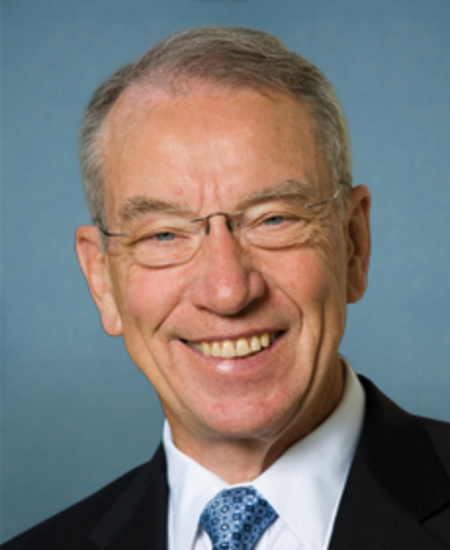
BUTLER COUNTY, IOWA – U.S. Sen. Chuck Grassley (R-Iowa), a senior member and former chairman of the Senate Finance Committee, discussed his leadership and advocacy for cancer research in an interview featured in the American Association for Cancer Research’s (AACR) 2026 progress report. The report also highlighted Grassley’s work to establish and reauthorize the Rural Community Hospital Demonstration (RCHD) program, which provides a lifeline for rural hospitals across the nation, including four RCHD participating hospitals in Iowa: “Inequities in access to screenings and follow-up care contribute to health disparities and reduced survival in some patient populations... Policymakers like Senator Chuck Grassley (R-IA) are continuing to work to support these rural medical services , investing in programs such as the Rural Community Hospital Demonstration.” -- AACR Cancer Progress Report 2026 Read Grassley’s full interview HERE and below. Q&A With U.S. Senator Chuck Grassley American Association for Cancer Research Q: What are some current gaps in cancer care and what is the role of Congress in closing these gaps? A: As with any public policy, the role of every lawmaker in Congress is to listen to constituents and grassroots advocacy groups and gather the facts to make informed decisions, including addressing gaps in cancer care. As a farm state lawmaker, I bring unique perspective to the policymaking tables to advocate on behalf of families and healthcare providers living and working in rural communities. For example, I’ve prioritized keeping the doors of hometown hospitals, clinics and pharmacies open through flexible federal funding measures, such as the Rural Community Hospital Demonstration and Rural Emergency Hospital programs, as well as enabling local pharmacists to be reimbursed for providing healthcare services. I’m also working to address the gap in how patients access and navigate cancer screening recommendations. Too often screening guidance is difficult to understand, changes over time, and is not readily integrated into the technology that patients and providers use every day. This can result in missed opportunities for early detection and treatment, particularly in rural communities where cancer mortality rates remain higher. By making screening information more accessible, timely, and patient-centered, the federal government can help reduce barriers to early detection and improve cancer outcomes. I want to enable more apps and web tools to get cancer screening information to the patient and provider similar to the Decision Precision+ and Cancer Screen Iowa tools. Q: Why does cancer research and survivorship remain truly non-partisan? A: Cancer impacts American families across the country, regardless of one’s political ideology. That means lawmakers from both sides of the aisle represent Americans battling a cancer diagnosis. As a member of the Congressional Biomedical Research Caucus and the Congressional Caucus on the Deadliest Cancers, I leverage my committee assignments in the U.S. Senate to raise public awareness and conduct oversight on federal investments in cancer research to help save lives. Through my policymaking and legislative work, I am committed to building bipartisan coalitions that push for robust research , prevention and treatment therapies to help cancer patients survive, thrive and lead healthy, high-quality lives. That includes reducing barriers to care, lowering costs to life-saving drugs , improving the pharmaceutical supply chain by boosting transparency and holding Pharmacy Benefit Managers accountable , expanding access to experimental treatments (such as those helping my former colleague Sen. Ben Sasse) and Right to Try laws, protecting the integrity of medical research and treating side effects of chemotherapy, such as my bipartisan success to enact the Lymphedema Treatment Act . I’m also a champion for expanding access to cancer care in rural America, including my home state of Iowa that ranks second highest in the United States for new cancer cases. From expanding telehealth services to addressing provider shortages and securing the largest investment in rural health in history with passage of the Rural Health Transformation Fund , my advocacy for cancer prevention, treatment and cures will continue. Q: How have you worked to serve the cancer community? A: Since my first term in the U.S. Senate, my committee assignments have enabled me to roll up my sleeves at the policymaking table and shape federal policies on behalf of American families to improve delivery of care and health outcomes, from the “ Katie Beckett waiver ” to the Family Opportunity Act to the Accelerating Kids’ Access to Care Act . My work on behalf of cancer patients includes raising public awareness and expanding access to early screening and detection. My wife Barbara is a 39-year breast cancer survivor and attributes early detection and surgery with saving her life. I’m glad the Nancy Gardner Sewell Medicare Multi-Cancer Early Detection Screening Coverage Act was signed into law in February. It will help clear the way to revolutionize cancer detection and expand coverage for Medicare patients for lifesaving cancer screenings. Thanks to remarkable strides in research, therapeutics and oncology treatments, a cancer diagnosis is no longer considered a death sentence. Just consider the recent promising breakthrough therapy for pancreatic cancer, for example. Through congressional oversight, I’m committed to ensuring public health care programs and federal agencies are efficiently and effectively serving the American people. That includes my efforts to improve care and outcomes for pediatric cancer patients. With the support of grassroots-led advocacy organizations, I spearheaded the bipartisan Accelerating Kids’ Access to Care Act (AKACA) through the Senate to help kids kick cancer to the curb and live long, healthy lives. Representative government is a two-way street. I listened to the issues brought to my attention from families, patient advocates and providers who explained how red tape got in the way for kids with complex medical needs to receive timely care or participate in a clinical trial out of state. More than half of this pediatric population is covered by Medicaid and the Children’s Health Insurance Program that restricted care provided outside the child’s home state. State lines shouldn’t dictate if a child in the U.S. receives timely, lifesaving care. Having the AKACA on the books paves the way for specialty pediatric providers to enroll in multiple state Medicaid programs and gives families much-needed peace of mind. Moms and Dads have enough on their plate to manage without dealing with cumbersome, bureaucratic red tape that’s delaying care for their sick child. I’ll continue my oversight work to ensure these laws work as Congress intended.
a0fddd9e-d0f8-4b54-9dfe-5f44dcfe8fc8Issued within 24 hours
Other senators' releases published in the day before or after this one.