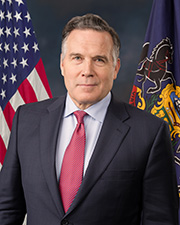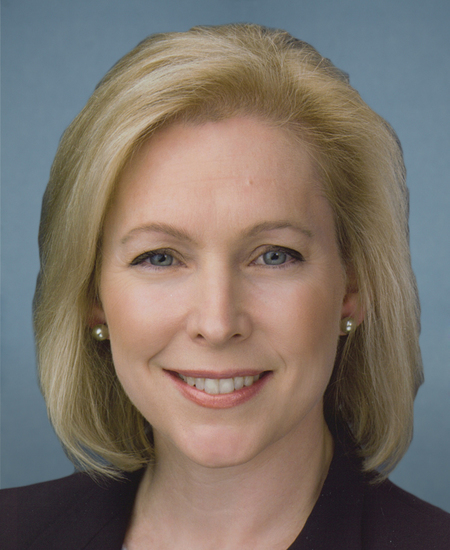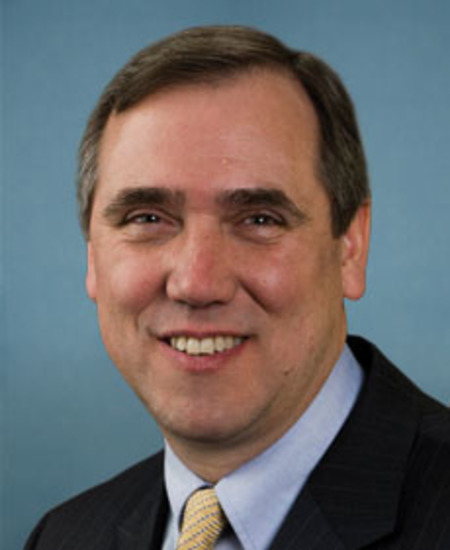
Kaine & Merkley Press Administration on Delays in Funding for Organization Preventing Chemical Weapons Proliferation and Use
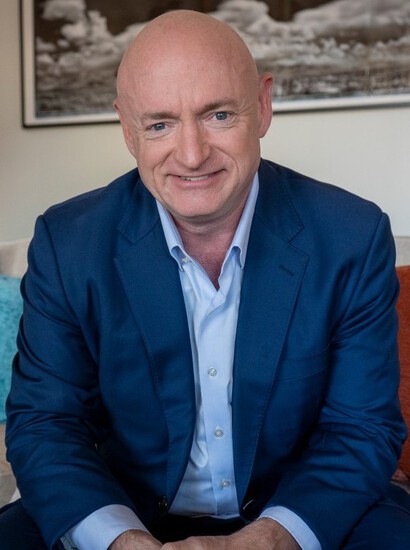
KAINE & MERKLEY PRESS ADMINISTRATION ON DELAYS IN FUNDING FOR ORGANIZATION PREVENTING CHEMICAL WEAPONS PROLIFERATION AND USE November 24, 2026 WASHINGTON, D.C. – Today, U.S. Senators Tim Kaine (D-VA) and Jeff Merkley (D-OR), members of the Senate Foreign Relations Committee (SFRC), led their colleagues in sending a letter to Secretary of State and National Security Advisor Marco Rubio regarding delays in U.S. funding for the Organization for the Prohibition of Chemical Weapons (OPCW). The letter comes after reporting on potential chemical weapons threats in Washington, D.C. involving a foreign adversary. Despite OPCW’s central role in preventing global chemical weapons proliferation and use, the U.S. has only paid about 20 percent of its 2026 assessed contribution. In the letter, the members urge the Trump-Vance Administration to immediately pay any outstanding U.S. contributions to OPCW and demand answers about the amount that remains unpaid and reasons for the delays. “We urge the Trump administration to immediately fulfill any U.S. assessed contribution to the Organization for the Prohibition of Chemical Weapons (OPCW),” wrote the members. “At the OPCW, the outstanding U.S. assessment is contributing to financial uncertainty within the organization and is inhibiting efforts to eliminate chemical weapons, investigate their use, and prevent their proliferation.” “Sustained monitoring and verification are essential to reducing the risk that chemical weapons materials or expertise are developed by or transferred to malign actors,” the senators continued. “On September 25, 2026, a cross-partisan group of 19 national security and chemical weapons experts, including former U.S. Ambassador to the OPCW Robert Mikulak, wrote to you urging full payment of the U.S. assessment and warning that funding shortfalls threatened inspections and verification missions. We urge you to heed that warning, remit the full outstanding U.S. assessment without further delay, and pay any outstanding balance without further delay.” “American leadership requires sustained engagement with the institutions that help protect our security,” the senators concluded. “Ensuring that these critical institutions have the resources and U.S. engagement they need to carry out their missions strengthens our ability to respond to shared challenges and advance American interests. We urge you to pay the United States’ outstanding OPCW funding immediately and restore America’s commitment to the international cooperation our security demands.” In addition to Kaine and Merkley, the letter was cosigned by U.S. Senators Cory Booker (D-NJ), Michael Bennet (D-CO), Andy Kim (D-NJ), Jacky Rosen (D-NV), and Chris Van Hollen (D-MD). Full text of the letter is available here and below: Dear Secretary Rubio: We urge the Trump administration to immediately fulfill any U.S. assessed contribution to the Organization for the Prohibition of Chemical Weapons (OPCW). Delays in U.S. contributions to international institutions weaken American influence and disrupt global initiatives that protect Americans. At the OPCW, the outstanding U.S. assessment is contributing to financial uncertainty within the organization and is inhibiting efforts to eliminate chemical weapons, investigate their use, and prevent their proliferation. Fulfilling this commitment would help sustain these essential national security functions. The OPCW implements the Chemical Weapons Convention, advancing the global effort to eliminate chemical weapons and prevent their re-emergence. In addition, the OPCW conducts routine industry inspections to help prevent the diversion of dual-use chemicals to illicit purposes. Sustained monitoring and verification are essential to reducing the risk that chemical weapons materials or expertise are developed by or transferred to malign actors. As Secretary of State Madeleine Albright declared in 1997, the Convention has “made in America written all over it.” Championed by President Reagan, negotiated under President George H.W. Bush, and approved by the Republican-led Senate in a bipartisan vote in 1997, the treaty reflects decades of American leadership. The OPCW received the 2013 Nobel Peace Prize for its extensive efforts to eliminate chemical weapons. The Department of State’s own budget request identifies OPCW among organizations that make America “safer and more secure.” Despite this, public reporting by the Washington Post indicates that the United States has paid only 20 percent of its 2026 OPCW assessment, which represents roughly one-fifth of the organization’s annual budget. These contributions support on-site inspections, chemical weapons destruction activities, laboratory analysis, and physical and cyber security measures needed to protect sensitive information. Delays in U.S. payments are jeopardizing critical work to confront chemical weapons threats in key global hotspots, including Syria, Ukraine, and Sudan. In Syria, cooperation with the new governme
abba4f58-ff5c-4e76-a378-b2e432d775afIssued within 24 hours
Other senators' releases published in the day before or after this one.