Warren, Rick Scott Lead Bipartisan Push Urging Regulators to Investigate Impact of Foreign Investment on U.S. Pharmaceutical Supply Chains
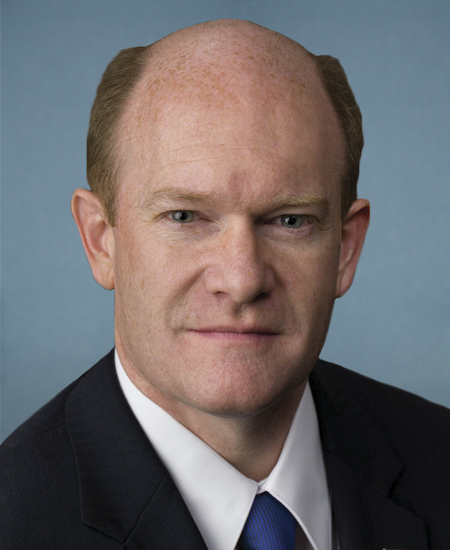
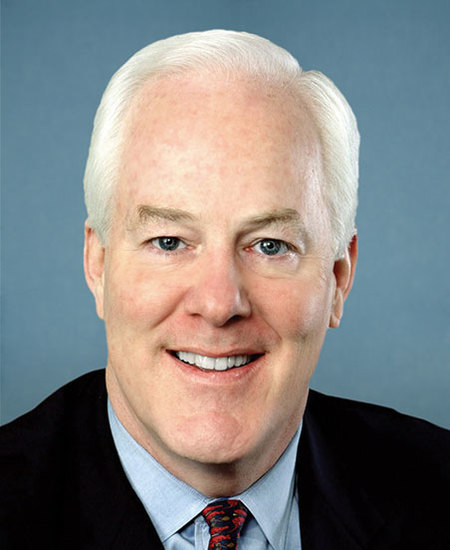
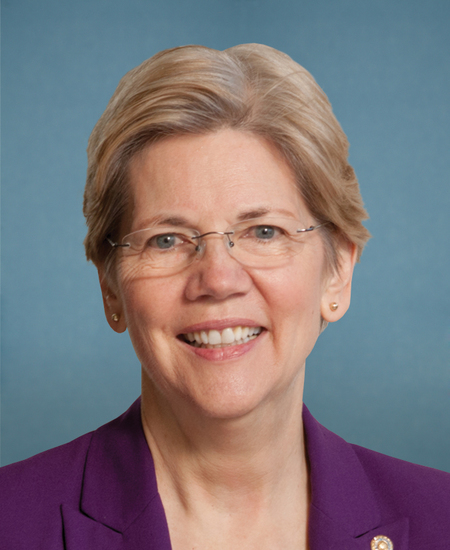
Bill Text (PDF) | Bill One-Pager (PDF) Washington, D.C. — Senators Elizabeth Warren (D-Mass.), a member of the Senate Special Committee on Aging, and Rick Scott (R-Fla.), Chair of the Senate Special Committee on Aging, introduced a bipartisan push to urge regulators to investigate foreign investment in the U.S. pharmaceutical industry. The lawmakers today announced the Pharmaceutical Investment Oversight and Accountability Act , legislation to require the Federal Trade Commission (FTC) and the Department of Treasury to produce a report examining the effects of foreign investment on domestic pharmaceutical manufacturing capacity and supply chains. Senator Kirsten Gillibrand, Ranking Member of the Senate Special Committee on Aging, co-sponsored the bill. The United States relies heavily on foreign nations for its supply of drugs and pharmaceutical products. Approximately 80% of the active pharmaceutical ingredients — required components of generic drugs — and nearly 100% of the raw materials used in U.S. generic drugs are imported from abroad. This dependence makes the supply chain vulnerable to disruptions and other slow-downs, threatening life-saving care for millions of Americans. In fact, earlier this year, at the start of President Trump’s war in Iran, supply chain experts warned that closures of the Strait of Hormuz could put U.S. drug imports at risk. “For years, I’ve sounded the alarm that our dependence on foreign-made pharmaceuticals puts Americans at risk. Securing this investigation is the first step in strengthening our drug supply chains and ensuring Americans always have access to life-saving medicine,” said Senator Warren . “America has let the Chinese Communist Party and other foreign entities quietly buy their way into our drug supply for too long, and it needs to end. Everything from manufacturing and ingredient suppliers to genomic sequencing technology is at stake. Washington has looked the other way for too long, and the truth is we don’t even know the full extent of how bad it is. That’s why I’m proud to be working together to bring greater transparency on the full scope of foreign influence and control in America’s pharmaceutical supply chain. Protecting American medicine from foreign control is a national security priority, and we need to act like it,” said Senator Rick Scott . “Americans’ access to lifesaving medication should not rely on supply chains controlled by foreign countries,” said Senator Gillibrand . “The Pharmaceutical Investment Oversight and Accountability Act would help shine a light on foreign influence in our drug supply chain and bring overdue transparency to the public health and national security threats posed by overreliance on foreign capital and manufacturing. As the top Democrat on the Senate Aging Committee, I will keep fighting to build better oversight tools to address modern supply chain risks and make sure every American has access to the medicines they need.” The bill would require the FTC to report to Congress on: The effect of concentration and reliance on foreign manufacturing on the U.S. pharmaceutical supply chain; The impact of foreign investment on domestic production of drugs; The effect of foreign investment in technology for sequencing and storing DNA; and The effect of relocating U.S.-based manufacturing facilities to foreign countries on domestic drug production. The bill was first introduced in June 2020 as the United States Pharmaceutical Supply Chain Review Act by Senator Warren and then-Senator Marco Rubio, just months after Senator Warren introduced broader legislation addressing U.S. pharmaceutical supply chains’ overreliance on China. They reintroduced the bill in October 2024. Senator Warren has worked to end the United States’ overreliance on foreign-made pharmaceuticals and to boost the nation’s domestic manufacturing capacity: In March 2025, at a hearing of the Senate Armed Services Committee, U.S. Senator Elizabeth Warren (D-Mass.) questioned the nominee for Assistant Secretary of Defense for Health Affairs , on the Department of Defense’s (DoD) pharmaceutical supply chain vulnerabilities. The nominee committed to purchasing essential drugs from domestic manufacturers and working to expand DoD’s capabilities of manufacturing essential drugs in-house. In December 2024, Senators Warren (D-Mass.) and Smith (D-Minn.) reintroduced the Pharmaceutical Supply Chain Defense and Enhancement Act , a bill to reinvigorate the United States’ manufacturing capacity and end the nation’s reliance on foreign countries for critical drugs used by millions of Americans. In October 2024, Senator Warren (D-Mass.) and then-Senator Marco Rubio (R-Fla.) reintroduced the United States Pharmaceutical Supply Chain Review Act , legislation to require the Federal Trade Commission, in consultation with the Department of Commerce, to produce a report on the impacts of foreign investment in the United States’ pharmaceutical industry. The senators first introduced this bipartisan legislation in June 2020 , just months after Senator Warren introduced broader legislation addressing U.S. pharmaceutical supply chains’ overreliance on China. In September 2024, Senators Elizabeth Warren, Rick Scott (R-Fla.), Marco Rubio (R-Fla.), Chris Murphy (D-Conn.), Joni Ernst (R-Iowa), and Mike Rounds (R-S.D.) wrote to the Department of Defense (DoD) seeking an update on its pharmaceutical acquisition strategy following the decision in Acetris Health, LLC v. United States , which loosened requirements on federal agencies to preference American-made products in purchasing decisions. In April 2024, while chairing a hearing of the Senate Armed Services Subcommittee on Personnel, Senator Elizabeth Warren questioned officials from the Department of Defense and other experts on efforts to ensure service members are receiving safe, effective medicines. In March 2024, Senators Elizabeth Warren and Marco Rubio (R-Fla.) led a letter to Department of Defense (DoD) Secretary Lloyd Austin requesting an update on the Department’s efforts to address risks to the military pharmaceutical supply chain. In December 2023, at a hearing of the Senate Finance Committee, Senator Elizabeth Warren highlighted the need for the public manufacturing of generic drugs to address critical drug shortages and ensure access and affordability of prescription drugs for consumers. In December 2023, Senator Elizabeth Warren and Representative Jan Schakowsky (D-Ill.) reintroduced the Affordable Drug Manufacturing Act , to address the skyrocketing price of prescription drugs and increase competition in the generic pharmaceutical market. In June 2022, during the NDAA negotiations, Senator Elizabeth Warren prioritized her bills to help prevent civilian harm, electrify the military’s vehicle fleet, prevent conflicts of interests and corruption at the Department of Defense, prohibit price gouging by defense contractors, expand medical care for military families, lower the costs of prescription drugs, and reduce America’s reliance on foreign countries for critical drugs. In December 2021, Senators Elizabeth Warren and Marco Rubio (R-Fla.) sent a letter to Gregory Kausner, who was performing the duties of Under Secretary of Defense for Acquisition and Sustainment at the Department of Defense (DoD), urging him to address DoD’s overreliance on pharmaceuticals produced abroad . In November 2021, Senators Elizabeth Warren and Marco Rubio (R-Fla.) introduced the Strengthening Supply Chains for Servicemembers and Security Act to address the national security risk posed by the United States’ reliance on foreign entities for pharmaceuticals. In April 2021, Senators Elizabeth Warren and Marco Rubio (R-Fla.) reintroduced the U.S. Pharmaceutical Supply Chain Review Act to direct the Federal Trade Commission and the Secretary of the Treasury to conduct a study on the United States’ overreliance on foreign countries and the impact of foreign direct investment on the U.S. pharmaceutical industry. In April 2021, Senators Elizabeth Warren and Tina Smith (D-Minn.)reintroduced the Pharmaceutical Supply Chain Defense and Enhancement Act – comprehensive legislation that takes bold steps to reinvigorate the United States’ manufacturing capacity and end the nation’s reliance on foreign countries for critical drugs used by millions of Americans. In September 2020, Senators Elizabeth Warren and Tina Smith (D-Minn.) wrote to President Donald Trump raising questions about the failure of his recent Executive Order to address the nation’s overreliance on foreign nations for key drug products, and asking that he support their legislation, which would address this serious problem. In March 2020, Senators Elizbaeth Warren and Marco Rubio (R-Fla.) introduced bipartisan legislation to combat America’s supply chain risk and dependence on China for pharmaceuticals, to address the loopholes left by the Acetris decision. In June 2020, Senators Elizabeth Warren and Marco Rubio (R-Fla.) introduced the United States Pharmaceutical Supply Chain Review Act to direct the Federal Trade Commission (FTC) and the Secretary of the Treasury to conduct a study on the United States’ overreliance on foreign countries and the impact of foreign direct investment on the U.S. pharmaceutical industry. In December 2019, Senator Elizabeth Warren, Tom Cotton (R-Ark.), Mitt Romney (R-Utah), and Tim Kaine (D-Va.), sent a letter to Secretary of Defense Mark Esper raising concerns about the national security risks posed by U.S. reliance on foreign-manufactured pharmaceutical products. ###
af445daa-e901-4acc-8e80-8ca6e69e2f8dIssued within 24 hours
Other senators' releases published in the day before or after this one.