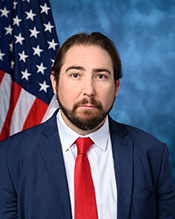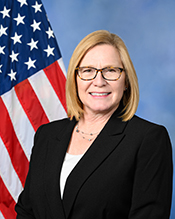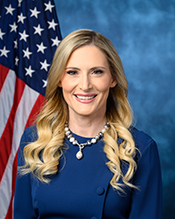
Rep. Laurel Lee Joins Rep. Maxwell Frost to Introduce Bipartisan SLOTHS Act to Protect Vulnerable Wildlife
October 21, 2026 Press Release Sanford, FL – Today, on International Sloth Day, Congresswoman Laurel Lee (FL-15) joined Congressman Maxwell Alejandro Frost (FL-10) at the Central Florida Zoo & Botanical Gardens to announce the introduction of the bipartisan Stopping Legalized Organized Trafficking and Harm to Sloths (SLOTHS) Act, legislation to prohibit the importation of sloths into the United States while preserving limited exceptions for legitimate research and accredited conservation breeding programs. The legislation comes following a series of investigations into the deaths of more than 50 sloths connected to Sloth World, a planned Orlando tourist attraction that imported wild sloths from South America for commercial display. Investigative reporting by Inside Climate News first revealed the deaths in April, raising serious concerns about the conditions in which the animals were housed and the risks associated with transporting sloths from their natural habitats. State records documented the deaths of 31 sloths between December 2024 and February 2025, including animals housed at a facility without running water or electricity. Subsequent investigations and reporting revealed that the death toll had risen to more than 50. Despite these findings, the Orange County Sheriff's Office concluded its investigation in August without finding evidence of criminal wrongdoing. “More than 50 sloths died in Orlando, yet investigators found no violation of existing laws. That outcome should make all of us take a hard look at whether our laws are doing enough to protect these animals,” said Congresswoman Laurel Lee . “The bipartisan SLOTHS Act is a responsible step to prevent further harm by prohibiting sloth imports, with exceptions for legitimate research and accredited conservation breeding programs. I appreciate Congressman Frost's partnership and the advocates whose work brought this issue to light.” “We owe it to these animals, and to the people in our community who spoke up, to make sure a tragedy like this never happens again,” said Congressman Frost. “Sloths have highly specialized needs, and their care requires scientific expertise and accountability. The bipartisan SLOTHS Act is an important step toward protecting these vulnerable animals and ensuring their welfare comes first.” “I am grateful to see bipartisan legislation being filed in the United States Congress to protect wildlife and prevent the importation of wild-caught sloths into the United States. Wild animals deserve to live in the wild, free from human profit and exploitation,” said State Representative Anna Eskamani. “We'll continue to advocate for animal welfare at the state and local level as we support this federal effort.” "The Association of Zoos and Aquariums commends Representatives Maxwell Frost and Laurel Lee for their leadership in protecting vulnerable wild sloth populations from unethical exploitation. The SLOTHS Act will restrict and penalize bad actors while ensuring the vital conservation initiatives of credible institutions can continue," said Dan Ashe, President and CEO of AZA. "On behalf of AZA, we thank Representatives Frost and Lee for their bipartisan proposal and proudly support this effort to safeguard sloth species." “The exotic pet trade and wildlife tourism industry treat sloths as novelties, but sloths are fragile wild animals that suffer and often die when removed from their native habitats," said Kate Dylewsky, Assistant Director of Government Affairs, Animal Welfare Institute. "Restricting the importation of sloths into the U.S. will help curb the demand that drives the trade in these animals and protect them from a life of suffering. The Animal Welfare Institute applauds Representatives Frost and Lee for introducing the SLOTHS Act.” “After the deaths of 58 sloths at Sloth World, we made a promise to do everything in our power to make sure something like this could never happen again - and we meant it. But Sloth World was just the tip of the iceberg. It exposed a cruel and unnecessary trade in which hundreds of wild sloths are captured and sold as commodities every year, despite a mortality rate of up to 90%. The SLOTHS Act is an opportunity to finally draw a line and say that this is not acceptable," said Dr. Rebecca Cliffe, Founder and Executive Director, The Sloth Conservation Foundation. "By closing the door on the importation of wild-caught sloths into the United States we can stop this cruelty at its source. We cannot undo the suffering of the sloths already caught up in this trade, but we can make sure their suffering was not in vain. We made a promise, and we will not stop fighting until this trade is brought to an end. We are so grateful to Representatives Frost and Lee for standing alongside us and taking action to help make that promise a reality.” “As sloths have grown more popular, so has their suffering. Sloth lovers are paying to interact with sloths, unaware they are contributing to a cruel industry. Most of these animals are ripped from the wild to endure inadequate living conditions and often painful deaths. The SLOTHS Act is a vital step toward ending this suffering," said Sam Trull, MSc - Co-founder and Executive Director, The Sloth Institute. "I am incredibly grateful to Representatives Frost and Lee for introducing this legislation to stop the removal of sloths from the wild for commercial import. Sloths belong in the rainforest, and the American people deserve to stop being misled.” "What makes sloths so loveable also makes them targets for exploitation. Behind those sweet faces and slow movements lie complex life histories, long gestation periods, and specific environmental requirements. That's why the Stopping Legalized Organized Trafficking and Harm to Sloths (SLOTHS) Act's ban on importation into the US is so important," said Danielle Kessler, US Director, International Fund for Animal Welfare. "Congressman Frost and Congresswoman Lee are taking the initiative to help keep these cherished animals in the wild and out of a cruel trade driven by the desire for pets and selfies. Sloths deserve more than the inhumane fate that awaits them in the name of entertainment." "The Sloth World disaster is a devastating reminder of the suffering wild animals endure because of lax oversight and inadequate legal protections. Dozens of sloths died, yet authorities found that no laws had been violated," said Alicia Prygoski, Strategic Legislative Affairs Manager with the Animal Legal Defense Fund. "Prohibiting the import of wild sloths is a critical step toward preventing future tragedies and protecting these remarkable animals from exploitation. We commend Congressman Frost and Congresswoman Lee for championing this important legislation." Sloths are particularly vulnerable to the stresses associated with international transportation and captivity. Their specialized diets, sensitivity to environmental changes, and unique physiological needs make proper care essential to their survival. The circumstances at Sloth World have raised broader concerns about the international trade of wild sloths and the need for stronger safeguards to prevent similar incidents. The SLOTHS Act would: Prohibit the importation of sloths into the United States, addressing the commercial demand that contributes to the international trade in these vulnerable animals. Preserve limited exceptions for legitimate scientific research, including the importation of deceased sloths for documented research purposes. Protect accredited conservation breeding programs by permitting eligible captive sloths to be transferred to Association of Zoos and Aquariums-accredited institutions, provided the animals were not taken from the wild after enactment. Establish penalties for violations, including civil penalties of up to $20,000, criminal fines of up to $100,000 for knowing violations, cancellation of applicable federal authorizations, and forfeiture of illegally imported sloths. Following the closure of Sloth World, the Central Florida Zoo & Botanical Gardens took in the facility's remaining sloths and provided specialized veterinary care. The zoo's involvement, along with the work of animal welfare advocates and conservation experts, helped draw attention to the challenges facing sloths in the commercial wildlife trade. The SLOTHS Act has received support from the Sloth Conservation Foundation, the Sloth Institute, the Central Florida Zoo & Botanical Gardens, the Association of Zoos and Aquariums, the Animal Welfare Institute, the Animal Legal Defense Fund, and the International Fund for Animal Welfare. The legislation represents a bipartisan effort to address the risks associated with importing sloths into the United States while ensuring that qualified conservation and research institutions can continue their important work.
bd3cf844-73cf-4865-aef5-74b4f74cc416Issued within 24 hours
Other senators' releases published in the day before or after this one.