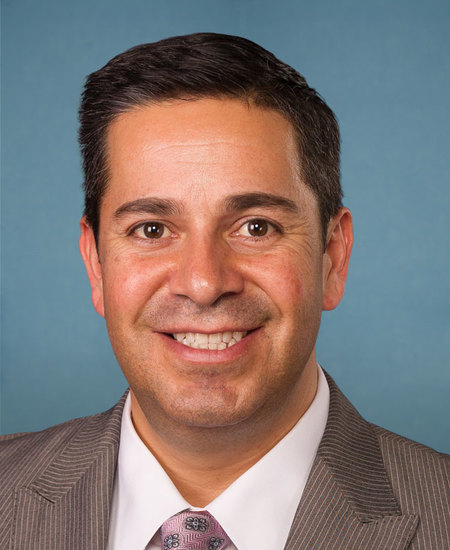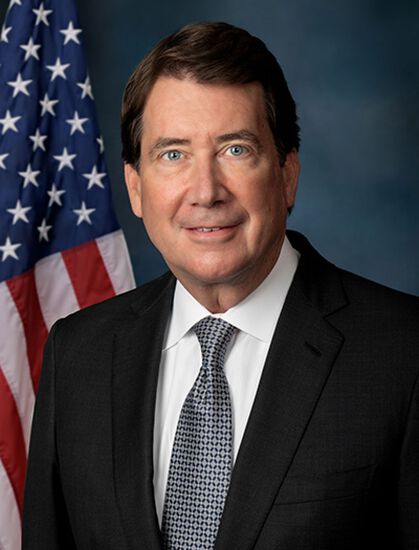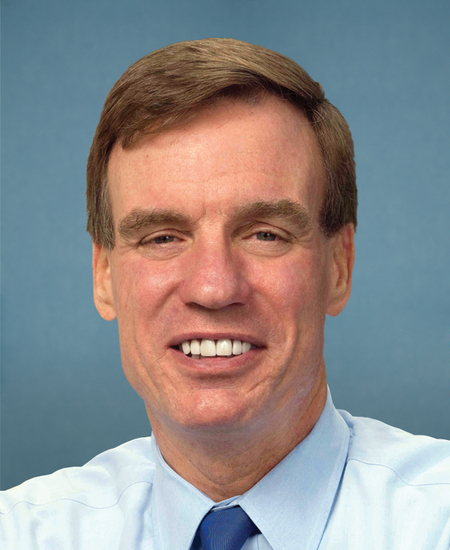
Warner, Kennedy, Alsobrooks, Rounds Introduce Bipartisan Legislation to Increase Transparency and Oversight of AI Investments
WASHINGTON— U.S. Sens. Mark R. Warner (D-VA), a senior member of the Committee on Banking, Housing, and Urban Affairs and one of Congress’s leading voices on artificial intelligence policy, Sen. John Kennedy (R-LA), Sen. Angela Alsobrooks (D-MD), and Sen. Mike Rounds (R-SD) introduced the Advancing Uniform Disclosure of Investments and Transparency of Artificial Intelligence (AUDIT AI) Act , legislation to increase transparency around how publicly traded companies are investing in, deploying, and managing AI. The legislation comes amid growing concerns about the unprecedented scale of AI investment and the increasingly complex financing arrangements underpinning the industry’s rapid expansion. As companies pour trillions of dollars into AI infrastructure, investors and regulators often lack a clear picture of the financing exposure, governance practices, and potential risks associated with these investments. “AI has enormous potential to transform our economy, but the trillions of dollars pouring into this technology come with real financial risks,” said Sen. Warner. “Investors and policymakers deserve to know where that money is going, how these deals are being financed, and what risks are involved. We can’t afford to have massive financial exposure building up behind the scenes, only to discover it when something goes wrong. This bipartisan legislation would bring much-needed transparency and accountability to AI investments and help ensure we’re not setting ourselves up for the next financial crisis.” “AI is the future, but investing in it shouldn’t be a guessing game. Companies are spending trillions of dollars on this technology, and investors deserve to know where that money is going and what risks they’re taking. Our bill will help make sure these companies put all their cards on the table,” said Sen. Kennedy. “AI is no longer a far-off technology; it is already shaping how people work, learn, and receive health care. It is also reshaping our financial system, requiring clear guardrails from Congress to protect investors and consumers. Our bipartisan bill takes responsible steps to increase transparency around AI funding and protect our financial system. I will keep fighting to ensure AI expands opportunity, protects workers and consumers, strengthens American competitiveness, and builds public trust,” said Sen. Alsobrooks . “Economic growth in the United States has been driven in large part by investment in the development of artificial intelligence capabilities,” said Sen. Rounds . “As AI continues to advance, it’s important that public companies disclose material information about how they oversee AI capabilities internally and where they invest their resources in outside AI capabilities. Our legislation would create transparent disclosure guidelines for public companies regarding their implementation of AI capabilities.” The rapid expansion of AI is fueling an unprecedented wave of investment in data centers, semiconductors, energy infrastructure, and other critical resources. A recent report published by the Brookings Institution estimates that building out AI infrastructure could require $10.3 trillion in investment from 2025 to 2032, equivalent to approximately 3.6 percent of U.S. GDP each year. The scale of this investment could surpass historic American infrastructure booms, including the expansion of railroads, highways, electrification, canals, and telecommunications. Slowdown in the buildout could ignite shockwaves throughout the U.S. economy and have far-reaching consequences for the financial sector. These risks are compounded by complex financing arrangements, including joint ventures, special purpose vehicles, and other debt structures, that can make it difficult for investors and policymakers to fully assess companies’ financial exposure. The AUDIT AI Act would help close these transparency gaps by strengthening corporate disclosures, improving oversight, and giving investors a clearer picture of the risks associated with these investments. Greater transparency will help policymakers and regulators better understand how these investments are connected to the broader financial system and where vulnerabilities could emerge. Specifically, the AUDIT AI Act would: Strengthen AI governance by requiring public companies to disclose whether they have an AI governance policy and a dedicated board committee focused on AI, and explain why if they do not. Companies with an AI governance policy would be required to make it publicly available. Shed light on AI infrastructure financing by requiring non-financial public companies to disclose AI-related joint ventures, special purpose vehicles, variable interest entities, and other major debt arrangements in SEC filings and at the SEC’s discretion. Standardize AI risk disclosure by requiring companies with significant AI exposure to provide standardized disclosure of material risks, including dependence on third-party models, compute concentration, costs, and data liabilities. Examine whether financial reporting is keeping pace with AI by directing the SEC to study how companies account for AI research and development, revenues, and capital expenditures and make recommendations for future policymaking or standard setting. Monitor AI’s impact on financial markets by requiring the SEC to report annually on how automated investment strategies are affecting price discovery, market efficiency, and potential herding behavior. “Both the enormous potential and unprecedented risks of AI are top of mind in most American boardrooms. This bill will give investors critical insight on whether, and how, corporate leaders are overseeing the technology that will define our future. And it will shine crucial light on how enormous and opaque AI investments are actually being funded. Ordinary investors deserve to know who is behind the systemic shifts that AI will soon bring—and how they’re paying for it,” said Robert J. Jackson, Jr., Former Commissioner of the U.S. Securities and Exchange Commission. “I strongly support greater transparency in the financing of the AI buildout. Investors and policymakers need a clear picture of the debt, lease commitments, and guarantees supporting this investment–and who ultimately bears the risks. As financing spreads across joint ventures, private credit, and off-balance-sheet vehicles, conventional corporate accounts reveal only part of the story. Better disclosure is essential to support informed investment, strengthen accountability, and identify financial vulnerabilities while this rapidly growing industry is still taking shape,” said Stijn Van Nieuwerburgh, the Earl Kazis and Benjamin Schore Professor of Real Estate at Columbia Business School. “Governance and effective control over AI development and applications are critical aspects of a company’s effective and appropriate use of AI tools. Investors need greater transparency and visibility into companies’ governance and oversight process over development and use of AI applications that are important to a company’s ongoing operations,” said Paul Munter, Former Chief Accountant of the U.S. Securities and Exchange Commission. Read the full bill here and a section-by-section explainer of the bill here . ###
d7628cd9-7f4e-42be-af7a-e5360e06680fIssued within 24 hours
Other senators' releases published in the day before or after this one.