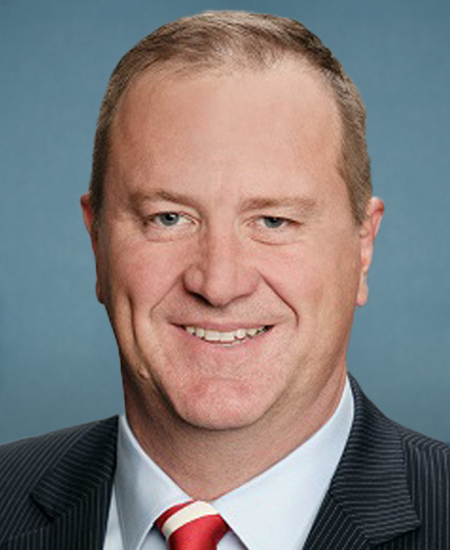
Schmitt Praises Senate Passage of Bipartisan Bill to Boost American Energy Dominance
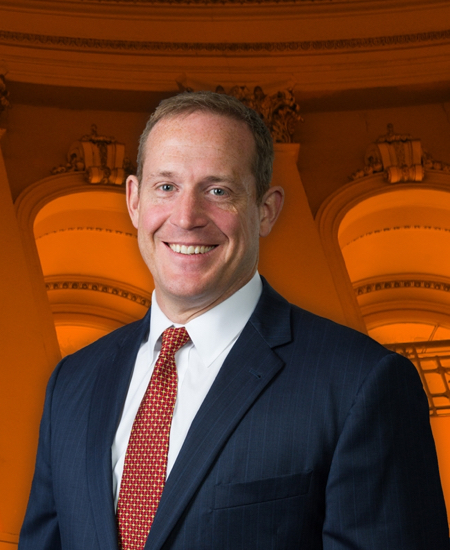
Legislation Lowers Energy Costs for Missouri Families, Holds Data Centers Accountable for Costs They Create WASHINGTON, D.C. — Today, U.S. Senator Eric Schmitt (R-MO) celebrated Senate passage of the “Bipartisan American Affordability and Jobs Act (BAAJA),” landmark legislation to boost American energy production and drive down energy costs for Missouri families. The bill also requires data centers to shoulder the costs they inflict upon the grid, ensuring Missourians do not foot the bill for their increased energy demand. “Tonight, I voted for landmark legislation on permitting reform that, for the first time forces data centers to pay their own way. No more fleecing ratepayers. It also unleashes American energy production by cutting leftist red tape and lowering costs, and it makes it easier to build in America again. More jobs! The reindustrialization of America is on. It’s past time we protect our communities and rebuild this country,” said Senator Schmitt. BAAJA protects Missouri consumers from paying for data center development costs: Requires new data centers to pay the costs they create by requiring utilities to recover the costs of serving data centers—including their electricity usage, power supply impact, and the grid upgrades necessary to meet them—from those companies. Mandates that a customer’s share of new federally approved transmission costs must be in line with the benefits they receive by preventing customers from being forced to pay when those projects provide them with no meaningful benefit. Ends a federal restriction on charging data centers for both the existing transmission grid and the additional upgrades needed to serve them by requiring utilities’ transmission rates to collect both charges from data centers. Creates new reporting requirements for data centers’ electricity use to provide a clearer picture of their contribution to increasing energy demand. Helps local government officials understand a proposed data center’s impacts before making decisions by creating a program that provides fact-based information and technical assistance upon request about its energy, water, economic, and community impacts. Explicitly recognizes a state’s ability to charge data centers more than their costs and uses the extra revenue from data centers to lower electricity rates for homes and small businesses. ###
e7992ca7-211f-4bbd-8610-8f7e7a41fe24Issued within 24 hours
Other senators' releases published in the day before or after this one.