Kaine, Colleagues Introduce Bipartisan, Bicameral Bill to Strengthen U.S. Critical Mineral Mining Workforce
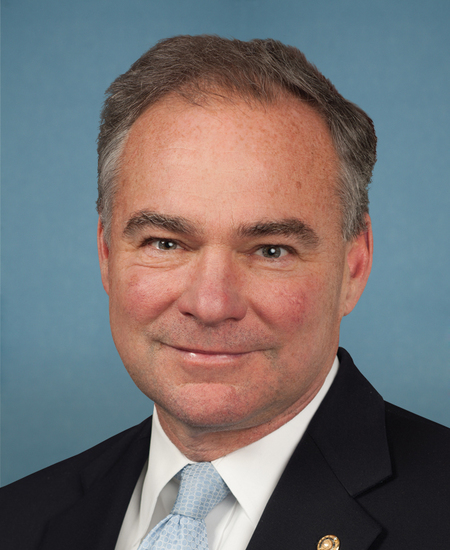
WASHINGTON, D.C. –U.S. Senator Tim Kaine (D-VA), a member of the Senate Foreign Relations Committee, and colleagues introduced the bipartisan, bicameralCritical Mineral Mining Education Act,legislation that would help build a workforce pipeline to support the United States’ growing domestic critical mineral mining industry and strengthen U.S. science, technology, engineering, and math (STEM) education programs.
“Access to critical minerals is crucial to our national security, supply chains, and overall economy. We must do more to boost this sector to ensure we can compete with China and other adversaries,”said Kaine.“I’m proud to join my colleagues in introducing this bipartisan legislation to grow and strengthen our critical minerals workforce.”
The People's Republic of China (PRC) has dominated the global critical mineral supply chain for the last three decades. At the same time, U.S. mining and mineral engineering programs have significantly declined. American programs are graduating only about 300 new mining engineers per year, far below what is needed to fill the workforce gap. The PRC, meanwhile, is home to more than 38 mineral processing schools and upwards of 44 mining engineering programs.
Specifically, theCritical Mineral Mining Education Actwould address this issue by:
In addition to Kaine, this bill is introduced by U.S. Senators Jacky Rosen (D-NV), John Curtis (R-UT), and Tim Scott (R-SC). Companion legislation is led in the House by U.S. Representatives Johnny Olszewski (D-MD-02), Bill Huizenga (R-MI-04), Ami Bera (D-CA-06), and Young Kim (R-CA-40).
Full text of the bill is availablehere.
###
dcb5ca72-9ffb-4cd1-9f8b-d908dc55ac1eIssued within 24 hours
Other senators' releases published in the day before or after this one.