In Westchester: Gillibrand, Leaders of Food Banks Statewide Raise Alarm On Trump Administration Slashing Federal Funding For SNAP And Threatening New Yorkers’ Benefits
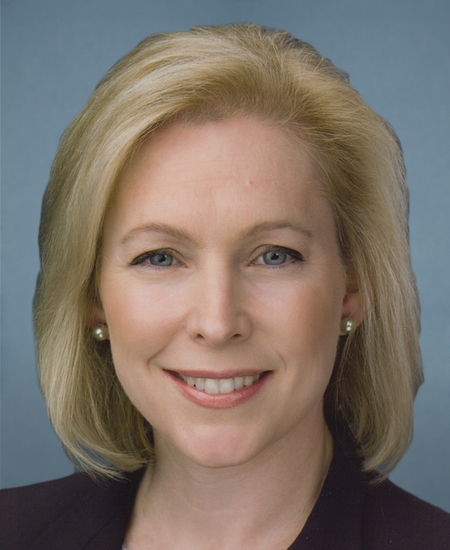
New York State Will Be Responsible for Estimated $168 Million More Annually as SNAP Cost Responsibilities Shift to State and Local Governments Today, U.S. Senator Kirsten Gillibrand joined CEOs from food banks around the state to gaggle with reporters regarding the change in Trump’s “Big Beautiful Bill” that will imminently shift billions of dollars in Supplemental Nutrition Assistance Program (SNAP) cost responsibilities from the federal government onto state and local governments, resulting in major financial burdens on New York State. This comes as President Trump’s reckless war in Iran and chaotic tariffs have raised grocery prices for New York families and made it increasingly difficult to put food on the table. “President Trump has consistently threatened and cut the essential services that serve as the backbone of our nation,” said Senator Gillibrand. “At a time when people can barely afford a cart of groceries or a tank of gas, this president is making states and localities bear excruciating cost burdens for SNAP programming while he is funding tax cuts for the richest people in the country and pouring billions into a war overseas.” “The recent decrease in SNAP enrollment does not mean hunger is disappearing in Westchester County, across New York State, or anywhere in our country; it means fewer people are getting the food they need,” said Kristine Borok, President and CEO of Feeding Westchester. “Right now, 41% of Westchester households are at risk of hunger, and that number is growing. The inability of families working full-time jobs to put food on the table is not a fleeting occurrence; it has become a change in our society. The food banks represented here today, and our network of partners across Westchester County and New York State, are committed to doing everything in our power to make sure no one in our community goes hungry. To be clear: food banks would need to double or triple our distribution to replace the SNAP cuts. Our network was never meant to replace the federal safety net. Food banks were built as an emergency response system, not a permanent substitute for federal nutrition programs, and we cannot absorb cuts of this magnitude on top of the rising cost of living.” The change, which is slated to take effect on October 1 and is part of a broader slate of harmful cuts to the SNAP program, will reduce the federal share of SNAP administrative expenses from 50% to 25%, with states and localities now responsible for covering 75% costs. Counties in New York State are expected to be on the hook for $168 million annually as a result, with Westchester County being responsible for an additional $4.5 million to keep SNAP-supported programs running. More than 65,000 people in Westchester County rely on SNAP to feed their families each month. Without this additional federal support, counties may be forced to raise local taxes or slow down the review of SNAP applications. ###
debd61c6-8e9a-4bba-bcbe-5d41494279e7Issued within 24 hours
Other senators' releases published in the day before or after this one.