National Archives Issues Dismissive Response to Lawmakers & Community Concerns
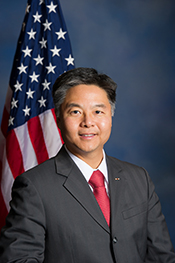
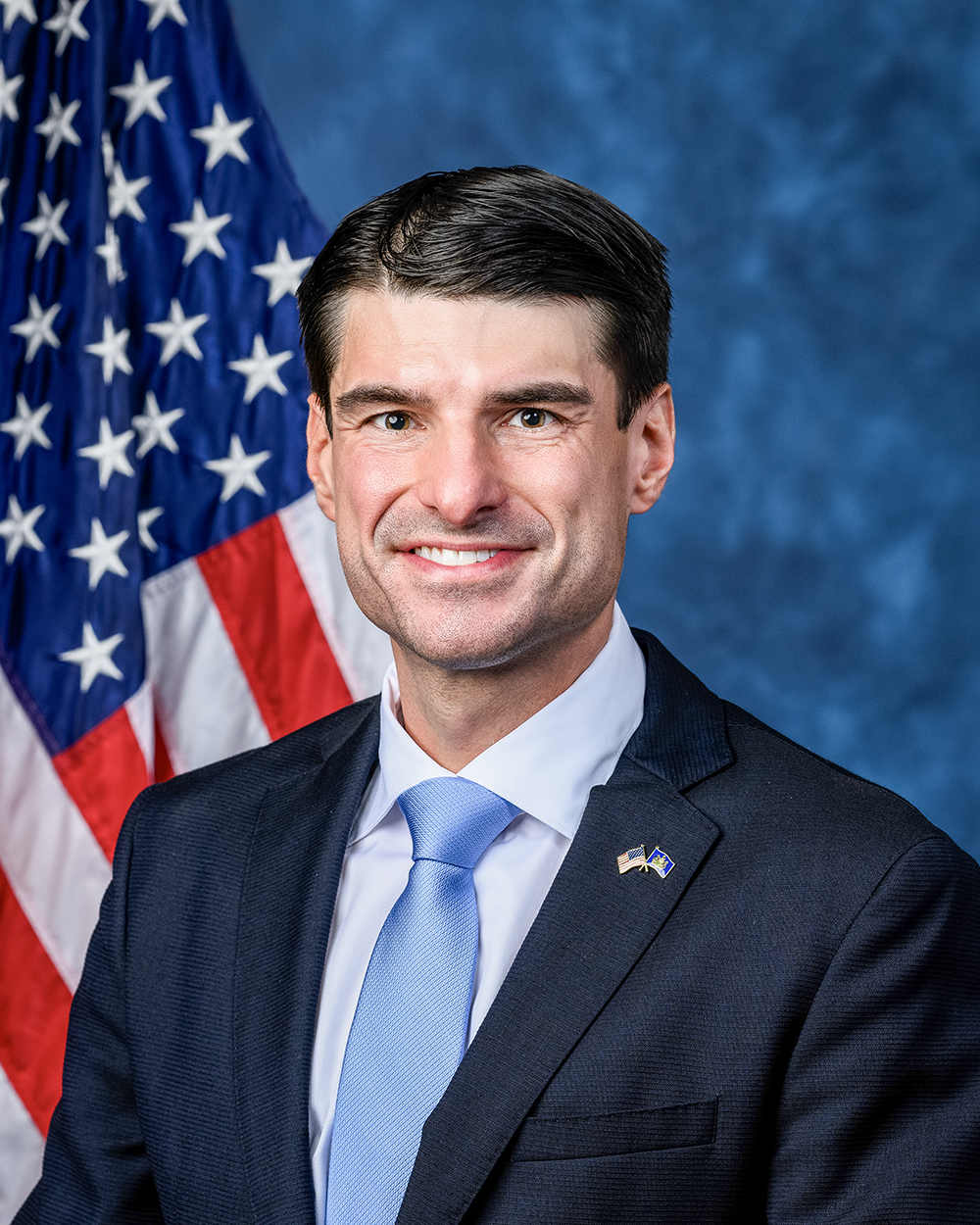
October 07 2026 National Archives Issues Dismissive Response to Lawmakers & Community Concerns Home / Media / Uncategorized SAN BRUNO, CA –Despite bipartisan and bicameral support for preserving America’s national archives, the National Archives and Records Administration (NARA) gave a dismissive response to federal lawmakers who are working to protect local public access to historic records. Before providing any justification or opportunities for the public to weigh in, NARA recently announced it would be closing its San Bruno and Chicago facilities, which are two of just 13 regional archives across America. Over one hundred community advocates, researchers, genealogists, and local families gathered at a rally and press conference Rep. Kevin Mullin (CA-15) hosted in August to emphasize the importance of retaining culturally and historically significant records in the Bay Area. U.S. Reps. Mullin and Judy Chu (CA-28) led a bipartisan coalition of 37 federal lawmakers in writing to NARA in August to urge it to reconsider the San Bruno closure, and requesting more information about its plans and rationale. In its response letter , NARA failed to fully acknowledge concerns about the public losing physical access to local archival records, or a 2009 agreement to keep regionally-sensitive immigration files in San Bruno. NARA also did not explain how it made decisions about where to transfer non-immigration related files, and provided no insight into how the fragile 100+ year-old records would be cared for while moved across the country. NARA didn’t definitively answer questions about the future of its local workforce, many of whom are experts in their field. While it cited an estimated $4.7 million in annual savings by shuttering the building, it didn’t justify the need to find such savings – which is less than the taxpayer funding President Trump wants to spend on renovating his living quarters at the White House this fiscal year alone. The national archives in San Bruno house records from not only California but also Nevada, Hawaii, Pacific Island territories, and Tribes. These records hold deep value to the local community including Angel Island immigration files, Chinese Exclusion Act and Japanese Internment records, Native American and indigenous history documents, and even the notable Wong Kim Ark files, on which the recent birthright citizenship case at the Supreme Court hinged. NARA said it plans to move the immigration files to Kansas City – suggesting it expects Bay Area community members who deeply care about their ancestors’ records to travel over 1,500 miles if they want see them in person. In August, Rep. Mullin also introduced the National Archives Protection Act , which is co-authored by Reps. Chu; Pramila Jayapal (WA-07), whose district includes the Seattle archives; and Jesús “Chuy” García (IL-04), whose district includes the Chicago archives. The bill would prevent NARA from closing any of its facilities including archives, records centers, and research rooms, without Congressional approval. Following the House bill, a Senate companion version was introduced on Sept. 30 by Senate Democratic Whip Dick Durbin (D-IL), along with U.S. Senators Tammy Duckworth (D-IL), Alex Padilla (D-CA), and Adam Schiff (D-CA). After facing community pushback – and months after quietly notifying congressional offices of its plans – NARA announced it would host two virtual listening sessions for Tribal Nations on Oct. 13 and 15. Reps. Mullin and Chu encourage all Tribal members interested in joining to visit NARA’s website for instructions on signing up for a listening session at www.archives.gov/research/news . Reps. Mullin and Chu are urging NARA to conduct more public input sessions and engage with additional stakeholders who have an interest in maintaining the physical archives within the communities they represent. “NARA’s response to federal lawmakers is extremely disappointing and dismissive toward the sincere concerns from the public about losing direct access to irreplaceable community and family records. These archives aren’t just boxes of paper — they hold the stories, memories, and history of generations of Americans. Families whose ancestors immigrated through Angel Island can track their lineage, those whose loved ones served in the Navy and were stationed in the Pacific can learn about their legacy, and Native Americans whose history is documented over generations are all able to learn more by visiting this national archive,” said Rep. Mullin. “ NARA has a responsibility to ensure these tangible records are carefully preserved and accessible to the people they represent. I will continue to fight against these closures and encourage everyone – from federal lawmakers and Tribal leaders, to community advocates and researchers – to keep up the pressure and consider all legal means to protect these historic resources.” “NARA’s response falls far short of addressing the real concerns of the communities who
e53dba3c-a58f-46c4-b11e-0b163f19e8d4Issued within 24 hours
Other senators' releases published in the day before or after this one.