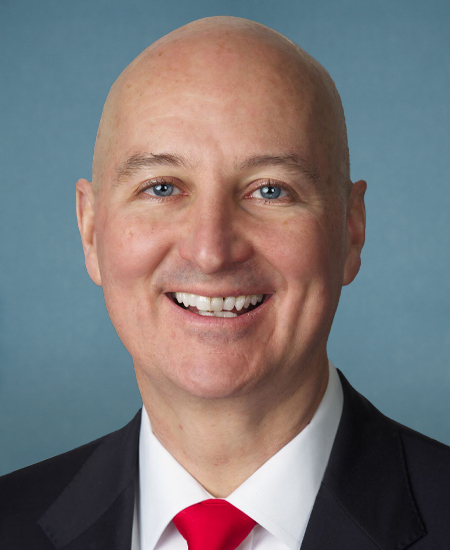
Warner, Blackburn Urge Centers for Medicare & Medicaid Services to Reconsider Proposed Restrictions on Remote Patient Monitoring
WASHINGTON – U.S. Sens. Mark R. Warner (D-VA) and Marsha Blackburn (R-TN) urged the Centers for Medicare & Medicaid Services (CMS) to reconsider sweeping proposed changes to remote patient monitoring (RPM) that could limit access to care for Medicare beneficiaries, particularly those in rural communities and those served by hospitals and small and independent practices, as well as undermine bipartisan efforts to expand technology-enabled health care. RPM is a growing health care service that utilizes real-time data and telehealth to keep people with acute and chronic diseases out of the emergency room by getting them the right care at the right time. In a letter to CMS Administrator Mehmet Oz, Sens. Warner and Blackburn raised concerns that changes included in the 2027 Medicare Physician Fee Schedule proposed rule would make it significantly harder for providers to offer remote monitoring services, even as Congress and the Department of Health and Human Services (HHS) work to expand access to technology-enabled care in rural communities. The senators wrote, “Remote monitoring services are especially important in rural communities, where patients often face long travel distances, transportation barriers, clinician shortages, hospital closures, and limited access to timely follow-up care. These services allow clinicians to monitor patients between visits, identify worsening conditions earlier, and intervene before a patient requires an emergency department visit or hospitalization. Congress, states, and providers are working to expand technology-enabled care, strengthen the rural health workforce, modernize health information infrastructure, and support care in the home. Remote monitoring is central to these rural health transformation efforts. It extends the reach of limited clinical workforces, improves chronic disease management, supports patients following hospitalization, and helps rural residents remain stable and independent at home.” “The proposed rule would make a number of changes that would fundamentally impact how RPM services are provided. One concerning change would prohibit contracting for RPM clinical services and instead require RPM services to be provided by clinical staff employed by the billing practitioner or the practitioner’s practice. Many hospitals and rural, small, and independent practices rely on specialized clinical and technology partners to make remote monitoring available. However, these vendors are not mere middlemen; they are specialized to partner with health care practitioners to help provide these services to medically complicated patients. These arrangements help practices manage patient onboarding, device support, data review, alert management, documentation, and clinical escalation under the oversight of the treating practitioner.Because both hospital as well as small and rural practices often lack the internal workforce to manage these programs entirely in-house, we urge CMS to develop a regulatory framework that protects against waste while preserving flexible staffing models. In addition to the above, the proposed rule also includes provisions that create new payment methodologies, reduce reimbursement, and require additional health care appointments, all while acknowledging that it is making changes without even having all the information it needs,” the senators added. The senators noted that the proposed changes could run counter to bipartisan efforts to expand remote monitoring in rural America. Recently, the House Ways and Means Committee unanimously advanced the Rural Patient Monitoring (RPM) Access Act , legislation that Sens. Warner and Blackburn have introduced in the Senate to ensure Medicare patients in rural and underserved communities have access to remote physiological monitoring services. HHS is also working with states to implement the $50 billion Rural Health Transformation Program to make investments in technology that can help rural providers deploy remote patient monitoring infrastructure. The senators continued by urging CMS to improve its collection of information about how remote patient monitoring is being provided and then implement targeted guardrails to effectively root out fraud, waste, and abuse without leaving rural providers who are following the rules with fewer tools to serve patients. The senators concluded, “We respectfully urge CMS to reconsider the proposal’s changes to remote patient monitoring, particularly the limits on remote monitoring staffing, and partner with providers, patient advocates, and remote monitoring stakeholders on program integrity standards that reach bad actors while preserving access for the beneficiaries these services were designed to serve.” “Remote monitoring has become an important way for patients, especially seniors and people in rural communities, to stay connected to their care teams without unnecessary travel or delays in care. CMS’s proposal to substantially reduce when and how these services can be reimbursed would make it impossible for many practices—particularly small and rural providers—to offer remote monitoring at all. At a time when policymakers are trying to expand access to technology-enabled care, Medicare should be making it easier for providers to reach patients where they are, not narrowing the pathways they can use to deliver that care,” said Chris Adamec, Executive Director, Alliance for Connected Care. “UVA Health appreciates Senators Mark Warner and Marsha Blackburn’s leadership in supporting Medicare policies that preserve access to remote patient monitoring. At UVA Health, RPM extends care beyond the walls of the hospital, allowing our clinical teams to remain connected with patients as they transition home—monitoring their recovery, identifying changes in condition earlier, and intervening when needed. This service is particularly important for patients in rural communities, who may otherwise travel significant distances for or may not receive care. Remote patient monitoring has become an important part of how we improve continuity of care, support safer transitions, reduce avoidable utilization, and help patients recover where they most want to be—at home,” said Novella W. Thompson, MBA, MA, ALM-C, FACHE, Assistant Chief, Population Health Department, UVA Health University Medical Center. “Remote patient monitoring has become an important extension of care for patients across Southern Virginia, particularly those managing chronic conditions such as congestive heart failure, hypertension, and diabetes. Through our partnership with Cadence, RPM allows our cardiology and primary care teams to stay connected with patients between visits, use vital data to identify potential concerns before they become health care crises and help patients better manage their health from the comfort of home. For many rural patients, RPM improves access, convenience and peace of mind while helping providers deliver more proactive, personalized care,” said Steve Heatherly, Market President & CEO, Sovah Health (Danville and Martinsville, Virginia). “At Highpoint Health, remote patient monitoring plays an important role in helping patients with heart conditions stay connected to their care team while remaining in their own homes. For many patients, particularly those in rural communities, this type of proactive care, grounded in real time clinical data, can provide earlier identification of potential concerns and increased confidence in managing their health between office visits. This includes advancing their care plan in between office visits. As healthcare providers continue to look for ways to improve access and outcomes, maintaining access to remote patient monitoring remains an important tool for supporting patient-centered care,” said Rod Harkleroad, Market President Highpoint Health with Ascension Saint Thomas & CEO of Highpoint Health – Sumner (Gallatin, TN). “We share the concerns Sens. Blackburn and Warner raised about the remote patient monitoring changes in the Medicare Physician Fee Schedule proposed rule,” said Michele Stockwell, President of Bipartisan Policy Center Action. “We support strengthening program integrity and reducing administrative burden. To maximize the value of remote patient monitoring, CMS needs better data on remote patient monitoring use and cost. We also want to ensure RPM remains accessible, especially for rural patients. As Bipartisan Policy Center’s comments on the rule state, the agency should require the provider billing for remote monitoring to redetermine at regular intervals—for example, every six months—whether remote monitoring is medically necessary for their patient.” “The American Association of Nurse Practitioners (AANP) thanks Senators Blackburn and Warner for raising important issues with CMS regarding the remoting monitoring provisions in the 2027 Medicare Physician Fee Schedule proposed rule,” said AANP President Valerie J. Fuller, PhD, DNP. “AANP raised similar concerns during the comment period, in particular the negative impact these proposals could have on access to care in smaller, rural practices, and we remain committed to working with Congress and CMS on policies that protect program integrity without harming patient access to care.” “As the Commonwealth’s largest safety-net provider, VCU Health has helped thousands of Medicare beneficiaries manage chronic conditions through remote monitoring and telehealth, reducing avoidable emergency department visits and rehospitalizations,” said Marlon Levy, M.D., MBA, FACS, Chief Executive Officer of VCU Health. “These innovative digital health tools keep vulnerable patients connected to their care teams while preserving access to VCU Medical Center for high-acuity patients across central Virginia and beyond. As future policies and funding are considered, it is essential to maintain a balanced approach that protects patients, promotes high-quality care, and preserves the viability of these services.” The full letter is available here and below. Dear Administrator Oz: We write regarding the sweeping proposed changes to remote monitoring in the Calendar Year 2027 Medicare Physician Fee Schedule proposed rule. We share CMS’s commitment to strengthening program integrity and ensuring taxpayer dollars are used to provide high-quality services to Medicare beneficiaries. However, we are deeply concerned that the proposed policies would reduce access to care for millions of Medicare beneficiaries, with particularly severe consequences for rural communities and patients served by hospitals as well as small and independent practices. We urge CMS not to finalize these policies as proposed and instead work with Medicare beneficiaries, health care providers who utilize remote monitoring in their practice, and other stakeholders to collect any necessary data and develop targeted safeguards that address fraud, waste, and abuse without disrupting clinically appropriate care. Remote monitoring services are especially important in rural communities, where patients often face long travel distances, transportation barriers, clinician shortages, hospital closures, and limited access to timely follow-up care. These services allow clinicians to monitor patients between visits, identify worsening conditions earlier, and intervene before a patient requires an emergency department visit or hospitalization. Congress, states, and providers are working to expand technology-enabled care, strengthen the rural health workforce, modernize health information infrastructure, and support care in the home. Remote monitoring is central to these rural health transformation efforts. It extends the reach of limited clinical workforces, improves chronic disease management, supports patients following hospitalization, and helps rural residents remain stable and independent at home. Further, this proposed rule works against bipartisan efforts by Congress and HHS itself to strengthen rural access to remote monitoring. Recently, the House Ways and Means Committee unanimously passed the Rural Patient Monitoring Access Act,which we introduced in the Senate. Additionally, HHS continues to work with states on the ongoing rollout of the $50 billion Rural Health Transformation Program (RHTP). Through the RHTP, CMS is partnering with states to make investments in rural health technology, enabling rural providers in many states to deploy RPM infrastructure. We are concerned that the provisions in the proposed rule will disrupt the care delivery models that CMS and the states are working to build. The proposed rule would make a number of changes that would fundamentally impact how RPM services are provided. One concerning change would prohibit contracting for RPM clinical services and instead require RPM services to be provided by clinical staff employed by the billing practitioner or the practitioner’s practice. Many hospitals and rural, small, and independent practices rely on specialized clinical and technology partners to make remote monitoring available. However, these vendors are not mere middlemen; they are specialized to partner with health care practitioners to help provide these services to medically complicated patients. These arrangements help practices manage patient onboarding, device support, data review, alert management, documentation, and clinical escalation under the oversight of the treating practitioner.Because both hospital as well as small and rural practices often lack the internal workforce to manage these programs entirely in-house, we urge CMS to develop a regulatory framework that protects against waste while preserving flexible staffing models. In addition to the above, the proposed rule also includes provisions that create new payment methodologies, reduce reimbursement, and require additional health care appointments, all while acknowledging that it is making changes without even having all the information it needs. We share CMS’s commitment to strengthen oversight of technology-enabled care, including remote patient monitoring (RPM). However, in 2024, the HHS Office of the Inspector General reviewed RPM and agreed that CMS “lacks key information for oversight.” OIG also made substantive recommendations that would enable CMS to create the data and accountability pathways to distinguish clinically integrated remote monitoring from arrangements that present genuine program integrity risk without imposing a blanket employment restriction. We believe CMS should work first to implement OIG’s recommendations for collecting more information about how these services are being provided. Once CMS has that information, it can implement guardrails that appropriately steward taxpayer dollars by rooting out waste, fraud and abuse without leaving rural providers who are following the rules with fewer tools to serve their patients, which would only and push care back toward more costly emergency departments and institutional settings. We respectfully urge CMS to reconsider the proposal’s changes to remote patient monitoring, particularly the limits on remote monitoring staffing, and partner with providers, patient advocates, and remote monitoring stakeholders on program integrity standards that reach bad actors while preserving access for the beneficiaries these services were designed to serve. Thank you for your attention. We look forward to your prompt reply. ###
e95c9e85-ab86-4929-9b7c-c7a412dbe543Issued within 24 hours
Other senators' releases published in the day before or after this one.