Senator Kim Secures Major Housing Wins as Senate Passes Historic 21st Century ROAD to Housing Act
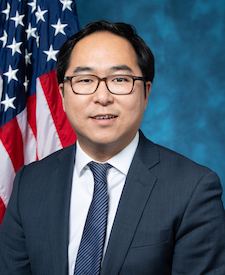
WASHINGTON, D.C. – Today, the U.S. Senate voted to pass the 21 st Century ROAD to Housing Act , including multiple provisions led by Senator Andy Kim (D-N.J.), to address the critical shortage of housing across the country and create more affordable paths to owning a home . As a member of the Senate Committee on Banking, Housing, and Urban Affairs, Senator Kim led multiple bills to address the critical shortage of housing, create affordable paths to own a home, and deliver common-sense solutions to get more houses built and more New Jersey families in the door. “Without fail – the cost of housing is one of the things I hear about most when crisscrossing New Jersey. We cannot wait a second longer to get families relief. I worked hard with colleagues to meet working families’ most-pressing needs, and I am especially proud of what I secured for New Jersey’s local communities. After decades of advocacy across New Jersey, towns across our state will finally be able to use their CDBG funding to rebuild after disaster. It’s one tool of many included in this historic set of bills that will be truly life-changing for so many. Let’s get this over the finish line,” said Senator Kim. Senator Kim championed key provisions in the 21 st Century Road to Housing Act, including but not limited to: Key Provisions Senator Kim Led The Reforming Disaster Recovery Act (CDBG-DR) to authorize the Community Development Block Grant–Disaster Recovery (CDBG-DR) program and establish the Office of Disaster Management and Resiliency within HUD to administer the program. $4.2 billion in federal Community Development Block Grant Disaster Recovery (CDBG-DR) funding has been awarded to the State of New Jersey to assist in its recovery from Superstorm Sandy. A bill to allow municipalities, for the first time, to use CDBG funding for the construction of new housing. The BUILD Housing Act to modernize the National Environmental Policy Act (NEPA) review process by cutting red tape around environmental reviews, empowering state, local, and tribal governments to streamline reviews, and increasing housing development via capacity sharing between the Department of Housing & Urban Development and states and localities. The Unlocking Housing Supply Through Streamlined and Modernized Reviews Act to right-size National Environmental Protection Act (NEPA) reviews for small scale housing projects, which will simplify the review process and get projects to construction faster. The Community Investment and Prosperity Act to increase private investment in affordable housing and other community development projects across the country by increasing a statutory cap limiting banks’ investments in housing investments. The Tailored Regulatory Updates for Supervisory Testing (TRUST) Act to raise the consolidated asset threshold for community banks to qualify for a longer 18-month and save these banks compliance costs that can be redirected toward increased community investments in their communities. Key Provisions Senator Kim Supported Authorizing an Innovation Fund to offer highly flexible funding for communities that are building more housing supply, which can be used to improve community infrastructure and build housing. The HOME Investment Partnerships Reauthorization and Reform Act to reform and reauthorize the HOME Investment Partnerships Program and make critical updates to improve program administration and facilitate the construction of more affordable housing. The Appraisal Modernization Act to require the United States Department of Agriculture, Federal Housing Administration, and Federal Housing Finance Agency to implement and maintain requirements that federally backed mortgage lenders have a review and resolution procedure for consumer-initiated second appraisals, or reconsiderations of value, when they believe there may be an issue with their appraised home value. The Credit Union Board Modernization Act to end the arbitrary requirement for credit union boards to meet every month, relaxing regulatory burdens and allowing credit unions to focus on their core mission of providing financial services to their members. ###
622d0094-e089-4fd6-b755-73a9de7097deEdit history (1 prior version)
This release was edited after publication. Earlier captures are preserved below.
- Captured Jun 23, 2026, 9:41 PM EDT
Show prior body text
WASHINGTON, D.C. – Today, the U.S. Senate voted to pass the 21 st Century ROAD to Housing Act , including multiple provisions led by Senator Andy Kim (D-N.J.), to address the critical shortage of housing across the country and create more affordable paths to owning a home . As a member of the Senate Committee on Banking, Housing, and Urban Affairs, Senator Kim led multiple bills to address the critical shortage of housing, create affordable paths to own a home, and deliver common-sense solutions to get more houses built and more New Jersey families in the door. “Without fail – the cost of housing is one of the things I hear about most when crisscrossing New Jersey. We cannot wait a second longer to get families relief. I worked hard with colleagues to meet working families’ most-pressing needs, and I am especially proud of what I secured for New Jersey’s local communities. After decades of advocacy across New Jersey, towns across our state will finally be able to use their CDBG funding to rebuild after disaster. It’s one tool of many included in this historic set of bills that will be truly life-changing for so many. Let’s get this over the finish line,” said Senator Kim. Senator Kim championed key provisions in the 21 st Century Road to Housing Act, including but not limited to: Key Provisions Senator Kim Led The Reforming Disaster Recovery Act (CDBG-DR) to authorize the Community Development Block Grant–Disaster Recovery (CDBG-DR) program and establish the Office of Disaster Management and Resiliency within HUD to administer the program. o $4.2 billion in federal Community Development Block Grant Disaster Recovery (CDBG-DR) funding has been awarded to the State of New Jersey to assist in its recovery from Superstorm Sandy. A bill to allow municipalities, for the first time, to use CDBG funding for the construction of new housing. The BUILD Housing Act to modernize the National Environmental Policy Act (NEPA) review process by cutting red tape around environmental reviews, empowering state, local, and tribal governments to streamline reviews, and increasing housing development via capacity sharing between the Department of Housing & Urban Development and states and localities. The Unlocking Housing Supply Through Streamlined and Modernized Reviews Act to right-size National Environmental Protection Act (NEPA) reviews for small scale housing projects, which will simplify the review process and get projects to construction faster. The Community Investment and Prosperity Act to increase private investment in affordable housing and other community development projects across the country by increasing a statutory cap limiting banks’ investments in housing investments. The Tailored Regulatory Updates for Supervisory Testing (TRUST) Act to raise the consolidated asset threshold for community banks to qualify for a longer 18-month and save these banks compliance costs that can be redirected toward increased community investments in their communities. Key Provisions Senator Kim Supported Authorizing an Innovation Fund to offer highly flexible funding for communities that are building more housing supply, which can be used to improve community infrastructure and build housing. The HOME Investment Partnerships Reauthorization and Reform Act to reform and reauthorize the HOME Investment Partnerships Program and make critical updates to improve program administration and facilitate the construction of more affordable housing. The Appraisal Modernization Act to require the United States Department of Agriculture, Federal Housing Administration, and Federal Housing Finance Agency to implement and maintain requirements that federally backed mortgage lenders have a review and resolution procedure for consumer-initiated second appraisals, or reconsiderations of value, when they believe there may be an issue with their appraised home value. The Credit Union Board Modernization Act to end the arbitrary requirement for credit union boards to meet every month, relaxing regulatory burdens and allowing credit unions to focus on their core mission of providing financial services to their members. ###
Issued within 24 hours
Other senators' releases published in the day before or after this one.