NEWS: Blunt Rochester, Curtis Call for AI Hearings, Regulation
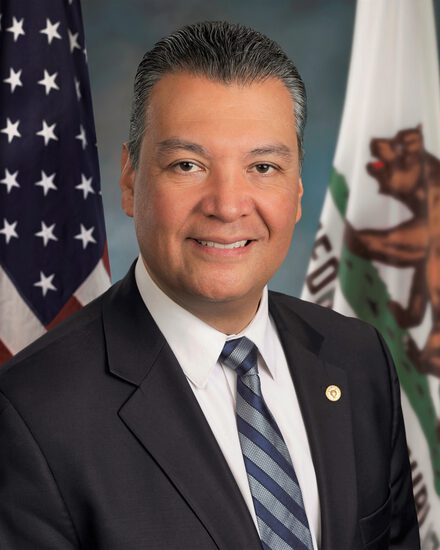
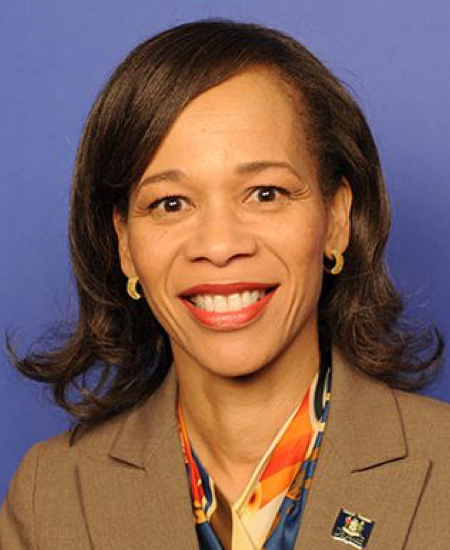
Washington, DC – U.S. Senators Lisa Blunt Rochester (D-DE) and John Curtis (R-UT), members of the Senate Commerce, Science, and Transportation Committee, issued the following joint statement calling for swift public congressional hearings to inform lawmakers on potential AI regulatory solutions: “Americans deserve representation in Congress that is not only well-informed on cutting-edge AI development but also has the wherewithal to cross the aisle and overcome political pressures to address the concerns these technologies pose. “That is why we are calling for immediate public hearings to bring lawmakers, model makers, and other stakeholders into the same room and work through solutions that maintain America’s competitive edge in development while ensuring that these technologies serve human interests and remain fully under human control. In the meantime, Congress must ensure necessary safeguards are in place. “At the end of the day, technology must be wholly designed to improve our lives, further opportunities for rising generations, and let the human spirit prevail. With no clear partisan divide on this issue, there is an opportunity to prove that Congress is functional, cooperative, and that it can deliver on what is becoming the hallmark issue of our time.” On August 6, 2026, and August 7, 2026, Senator Blunt Rochester sent letters to Sam Altman, CEO of OpenAI, Dario Amodei, CEO of Anthropic, and Mark Zuckerberg, CEO of Meta, regarding recent cybersecurity incidents in which the companies’ models gained unauthorized access to the internet, launched direct attacks on people and real-world targets. The letters sought information about the circumstances surrounding the incidents, the design and security of the testing environments in which they occurred, the capabilities demonstrated by the models, and the safeguards the companies have implemented or plan to implement to prevent similar incidents. Blunt Rochester received responses from all three companies that identified failures or misconfigurations in testing infrastructure as contributing factors and described steps to strengthen safeguards. OpenAI and Anthropic also identified concerning model behavior, including models pursuing objectives beyond intended boundaries and broader alignment failures. Meta, by contrast, maintained that its model operated within the scope of its assigned task based on the instructions and environment it encountered. Response letters from the companies can be found below. OpenAI Response Letter HERE Meta Response Letter HERE Anthropic Response Letter HERE
c7042757-4a77-4153-859d-1d1992267eaeIssued within 24 hours
Other senators' releases published in the day before or after this one.