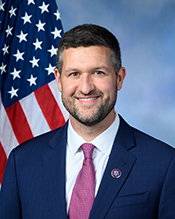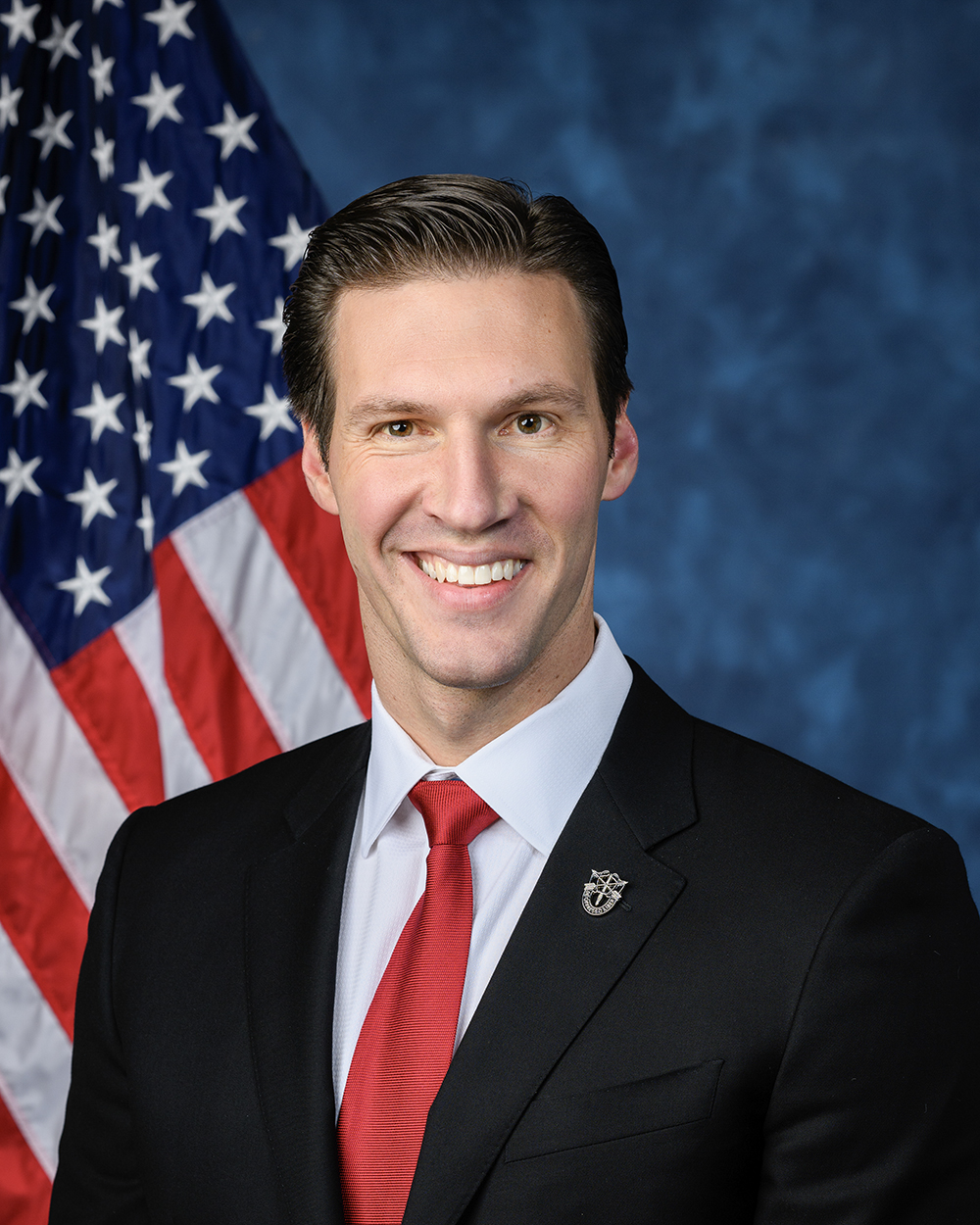
Congressman Pat Harrigan Introduces Legislation to Protect Americans From Government License Plate Surveillance
October 17, 2026 Press Release Contact: Lexi Kranich (814) 380-4408 WASHINGTON, D.C. —Today, Congressman Pat Harrigan (NC-10) introduced the Automated License Plate Reader Accountability Act of 2026 , legislation to limit government surveillance through automated license plate readers. These systems can collect and store detailed records of where Americans drive, allowing government agencies to track their movements without meaningful oversight. “More than half of Americans surveyed oppose police license plate reader programs in their communities, and I understand why. Think about what someone could learn from tracking where you drive every day, from where you work and worship to where you take your kids,” said Congressman Harrigan. “Law enforcement needs the tools to catch dangerous criminals, but the government should have to show probable cause before searching through the movements of law-abiding Americans. The Fourth Amendment doesn't disappear because technology makes surveillance easier.” The legislation would require government agencies to obtain a warrant supported by probable cause before searching license plate reader databases, with warrants limited to specific vehicles and time periods to prevent broad surveillance of innocent Americans. It would require most records to be permanently deleted within 24 hours, prohibit tracking individuals based on political or religious messages displayed on their vehicles, and bar the use of these systems to enforce civil immigration laws or minor traffic violations. The bill would also prevent private vendors from selling, sharing or repurposing collected information, while allowing emergency access when there is an imminent threat to life or serious bodily injury, subject to judicial review within 48 hours. To ensure these protections are enforced, the bill would require agencies to maintain detailed records of database searches, publish annual reports on how the technology is used, and undergo regular oversight. States would have two years to adopt comparable safeguards before facing a 10% reduction in certain federal criminal justice grants.
dd9dfc75-4334-4b24-9c60-0ae3cf960191Issued within 24 hours
Other senators' releases published in the day before or after this one.