September 17th, 2026Heinrich Offers His GRID Savings Act to Force AI Data Centers to Pay for Grid Upgrades, Highlights How Husted-Backed Bill Falls Short
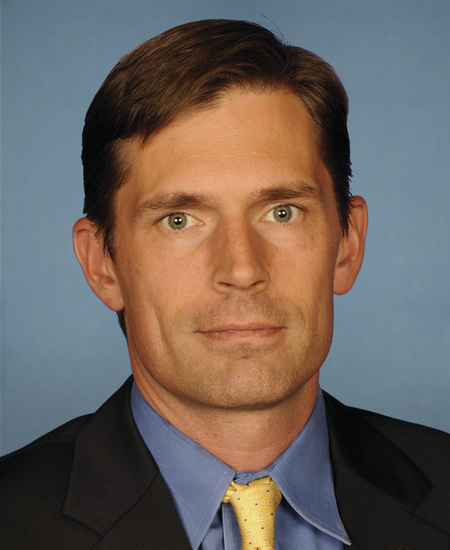
WASHINGTON — Today, U.S. Senator Martin Heinrich (D-N.M.), Ranking Member of the U.S. Senate Energy and Natural Resources Committee, took to the Senate floor to object to Senate passage of the Ratepayer Protection Act, legislation offered by U.S. Senator Jon Husted (R-Ohio), and pass Heinrich's GRID Savings Act instead. While the Husted-backed legislation relies on a voluntary framework and fails to adequately protect American families from AI data center-caused increases in energy costs, Heinrich's legislation forces large load customers—like data centers—to pay for the facilities needed to connect them to the grid. Unfortunately, U.S. Senator Bernie Moreno (R-Ohio) objected to Heinrich's request to pass the GRID Savings Act. “When I open my electricity bill, and read to see how much I owe for the month, it doesn’t say I ‘may’ pay that amount. It doesn’t say I ‘should’ pay that amount. It’s not optional. Just like every other bill-paying American out there, I open that bill and I have to pay it. The same needs to be true for AI data centers,” said Heinrich. “ If hyperscalers and other big tech companies need expensive new facilities and more energy, they should pay for it—not our hardworking families and small businesses.” Heinrich continued, “The Senator from Ohio and I agree on that principle. And plenty of big tech companies have said that’s their plan. But it’s not enough to just take their word for it. And it’s not enough for us to just tell states to consider making data centers pay for grid upgrades. Rather than voluntary pledges or suggestions to states, Congress needs to pass real legislation with real teeth.” VIDEO: U.S. Senator Martin Heinrich (D-N.M.), Ranking Member of the U.S. Senate Energy and Natural Resources Committee, urges his colleagues to pass his GRID Savings Act to force data centers to pay for their grid upgrades, rather than pass along those costs to families, September 17, 2026. A video of Heinrich’s floor speech can be found here . A transcript of Heinrich’s remarks as delivered is below: M. President, reserving the right to object— The Senator from Ohio and I agree on one thing: AI data centers could mean higher costs for American families. And in a lot of places, they already do. The Federal Reserve Bank of Dallas found that data center demand has already pushed electricity prices across the nation up by two to six percent – a number that they expect to increase to 20 to 30 percent by 2028. In the mid-Atlantic region, that means an extra $840 a year per family in the next two years. $840. We expect to see increases like this across the country as more AI data centers come online. But the Ratepayer Protection Act falls short of what we need to do to respond. When I open my mail and unfold my electricity bill, and read how much I owe for the month, it doesn’t say I “may” pay that amount. It doesn’t say I “should” pay that amount. It’s not optional. Just like every other bill-paying American family out there, I open that bill and I have to pay it. The same needs to be true for AI data centers. If hyperscalers and other big tech developers need expensive new facilities and more energy, they should pay for it—not our hardworking families and small businesses. I think the Senator from Ohio and I agree on that principle. And plenty of big tech companies have said that’s their plan. But it’s not enough to just take their word for it. It’s not enough for us to tell states to consider making data centers pay for grid upgrades. Rather than voluntary pledges or suggestions to states, Congress needs to pass real legislation with real teeth. That’s why I introduced the GRID Savings Act to require, not a voluntary agreement, large load customers—like data centers—to pay for the facilities needed to connect them to the grid. Not to consider it. Not to make pledges about it. To actually do it. To pay for the upgrades they need. That way, we can ensure reliable, low-cost energy to power our everyday lives. ?My bill is what is needed to start to bring down energy prices. We also need to do more to get data centers to actually engage with communities from the beginning to the very end. We need to conserve local resources, especially water. And we need to protect communities from air pollution by using clean energy and battery storage. But we’re not going to get there with the bill the Senator from Ohio has proposed, and therefore, Mr. President, I object. Mr. President, as if in legislative session, and notwithstanding, I would ask unanimous consent that the Committee on Energy and Natural Resources be discharged from further consideration of S.5199, the GRID Savings Act, and that the Senate proceed to its immediate consideration. Further, that the bill be considered read a third time and passed, and that the motion to reconsider be considered made and laid upon the table. ###
f9c805f9-1530-4a14-a855-0b69a1c356ecIssued within 24 hours
Other senators' releases published in the day before or after this one.