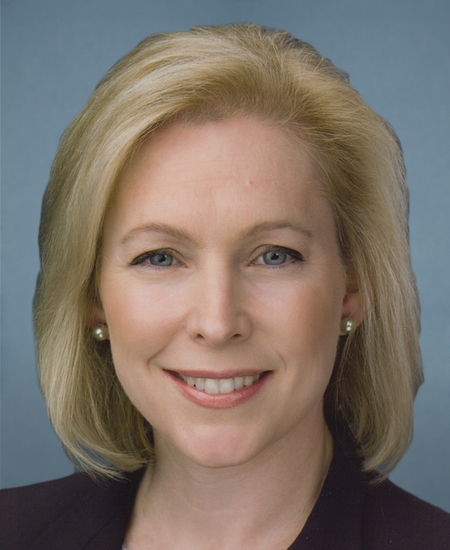
Amid Cyclosporiasis Outbreak, Gillibrand Demands Answers About Trump Administration Gutting Monitoring Of Foodborne Illnesses
Over 4,000 Confirmed Cases Of Cyclosporiasis Have Been Reported Nationwide, Including Over 400 Reported In New York So Far This Year Today, U.S. Senator Kirsten Gillibrand (D-NY) pressed the Trump administration on its work to undermine federal monitoring of foodborne illness, specifically surveillance of Cyclospora contamination. Cyclospora is the microscopic parasite behind this summer’s nationwide outbreak of cyclosporiasis, which has already sickened thousands of Americans. “New Yorkers deserve to know whether and how their government is actively monitoring threats to the food supply and that the food on their tables is safe to eat,” said Senator Gillibrand. “The Trump administration’s staffing and funding cuts to public health programs and moves to scale back tracking of foodborne illnesses have coincided with the explosion of cyclosporiasis that we see today. I am demanding answers about how the administration plans to remedy this outbreak and protect Americans from foodborne illnesses going forward.” Over the last year, the Trump administration has eroded key federal efforts to prevent and contain foodborne illnesses, like cyclosporiasis. In July 2025, it removed Cyclospora, along with five other pathogens, from the Foodborne Diseases Active Surveillance Network (FoodNet) mandatory tracking list. Additionally, the administration cut the budget to the Laboratory Flexible Funding Model (LFFM) by 25 percent, forcing laboratories across the nation to implement hiring freezes, reduce scientific staff, and delay the replacement of critical diagnostic equipment. The administration’s massive federal staffing cuts also forced the suspension of quality checks across the Food and Drug Administration (FDA)’s national network of labs that test food for pathogens and contaminants – including Cyclospora. These cuts in combination hindered the government’s ability to detect and respond to the current cyclosporiasis outbreak. As Gillibrand writes in her letter, these cuts have “created dangerous blind spots that directly compromise public health and leave Americans vulnerable to preventable parasitic infections, both presently and in the future.” She pressed the administration on how the Centers for Disease Control and Prevention (CDC) and FDA plan to mitigate the current cyclosporiasis outbreak and monitor future outbreaks going forward. The full text of the letter can be found here or below: Dear Acting Director Bhattacharya and Acting Commissioner Diamantas, I write to express concern regarding the ongoing cyclosporiasis outbreak and recent actions by the administration that are impeding our nation’s ability to respond. The current uncontrolled outbreak has resulted in hundreds of ill New Yorkers, with more than 400 cyclosporiasis cases reported in New York City alone. This administration’s efforts to scale back federal monitoring of foodborne illness, specifically surveillance of Cyclospora contamination, have created dangerous blind spots that directly compromise public health and leave Americans vulnerable to preventable parasitic infections, both presently and in the future. A functioning surveillance framework is our primary line of defense, and yet, over the past year, this administration has systematically eroded key protections, decimating our ability to prevent and contain foodborne illness, like cyclosporiasis. The July 2025 decision to remove Cyclospora, along with five other pathogens, from the Foodborne Diseases Active Surveillance Network (FoodNet) mandatory tracking list significantly deteriorates our public health safeguards. The administration’s subsequent 25 percent budget cut to the Laboratory Flexible Funding Model (LFFM)4 has also forced laboratories across the nation to implement hiring freezes, reduce scientific staff, and delay the replacement of critical diagnostic equipment. Compounding this, the administration’s massive federal staffing cuts also forced the suspension of quality checks across the Food and Drug Administration (FDA)’s national network of labs that test food for pathogens and contaminants – including Cyclospora.. When tracking is rendered optional and coupled with cuts to staff and funding, the federal government blinds itself to preventing and identifying localized spikes before they escalate into nationwide crises. Cyclospora typically features a prolonged incubation period of a week or more between exposure and the onset of debilitating gastrointestinal symptoms, making real-time coordination vital to trace contaminated agricultural products back to the source before more families are exposed. New Yorkers deserve to feel reassured that the food on their kitchen tables is safe and that federal agencies remain vigilant in actively monitoring threats to our food supply. To assist Congress in understanding the administration’s mitigation strategy, I request prompt responses to the following questions by July 31, 2026: Now that Cyclospora has been removed from mandatory FoodNet tracking, how does CDC intend to maintain a statistically reliable baseline of infection rates in states that opt out of reporting? With reports indicating CDC can currently fund only 40 percent of state requests for foodborne disease surveillance and response, how will the agency prioritize emerging outbreak investigations? What protocols are being established to counter the delay caused by Cyclospora’s long incubation period, given the reduction in real-time surveillance data? How does FDA plan to ensure that state laboratories can maintain adequate testing for Cyclospora and other high-consequence pathogens following the 25 percent reduction in LFFM funding? With the number of active food safety laboratories in the FERN network reduced from 41 to 15, what contingencies are in place to prevent delays in sample processing during a multi-state outbreak? How will FDA support state laboratories with hiring freezes and scientific staff deficits to ensure critical food safety inspections continue? Thank you for your attention to this request and ongoing work to protect Americans from foodborne illness outbreaks. I look forward to your prompt response. ###
e667e1e4-5fc6-442b-8356-2e0dce9272b8Issued within 24 hours
Other senators' releases published in the day before or after this one.